

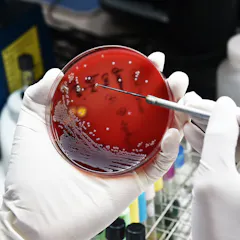
Viruses known as ‘phages’ might become an essential tool, as antibiotic-resistant bacteria threaten conventional remedies.
Articles on The dangers of antibiotic resistance
Displaying all articles

Australia is one of the highest users of antibiotics in the developed world. So when do we actually need antibiotics to treat an infection? And when should we avoid them?

We’ve all heard of antibiotic resistance. The same thing is happening with other causes of infections in humans: fungi, viruses and parasites. This is making thrush and other infections hard to treat.

Developing new antibiotics is important in the fight against antibiotic resistance. But we also need to use the antibiotics we already have much more wisely – GPs play a major role in this.
From the frontline battle against antibiotic resistance in Nigeria, to the techniques being used to find new antibiotics. Listen to The Conversation Weekly podcast.

Researchers are desperately seeking viable alternatives to antibiotics. So what is phage therapy? And how could it help?

Scientists are racing to discover new antibiotics that can defeat these drug-resistant superbugs. So how is the newly developed antibiotic clovibactin different?

Up to 20% of Australians admitted in hospital say they have a penicillin allergy. But not everyone who thinks they’re allergic to penicillin actually is.

Antibiotics have been around for less than a century. But as resistant bacteria become increasingly difficult to treat, we risk a greater number of deaths from infections.

Resistance arises when bacteria are exposed to levels of antibiotics that don’t immediately kill them. Here’s how.
Top contributors
-

Senior Research Fellow, School of Medicine, The University of Western Australia
-
Dean of the College of Science, Professor of Biochemistry, Rochester Institute of Technology
-
PhD candidate, University of Sydney
-
Postdoctoral fellow, UNSW
-
Clinical Microbiologist, Nile University of Nigeria
-
Molecular microbiologist; laboratory head, The Peter Doherty Institute for Infection and Immunity
-
Assistant Professor of Public Health, Bond University
-
Professor of Medicine, Bond University
-
Research Assistant, College of Health, Medicine and Wellbeing, School of Biomedical Science and Pharmacy, University of Newcastle
-
Host, The Conversation Weekly Podcast, The Conversation
-
Clinical Immunologist & Allergist, Immunopathologist and Senior Lecturer, UNSW
-
Professor, The University of Queensland
-
Professor of Infectious Diseases, Monash University
-
Antimicrobial Stewardship Pharmacist, The University of Queensland
-
NHMRC Emerging Leadership Fellow, The University of Western Australia