
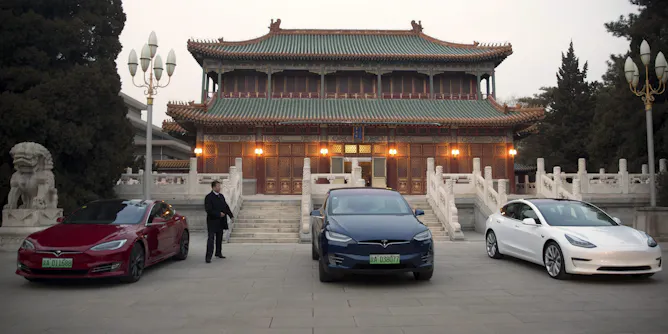
Research suggests that two factors are most important when making decisions on how businesses should respond to the U.S.-China trade war: location and supply chain dependence, and technology.
Articles on Supply chain disruptions
Displaying all articles

Inflation rates are rising around the world due to pandemic-related pressures. What does it mean for the federal government in the months and years ahead? The throne speech didn’t offer many clues.

Inflation soared 6.2% in October from a year earlier, the fastest pace since 1990.
The world needs robust supply chains that are founded on sustainability, collaboration, trust, transparency, visibility and diversification of supply.
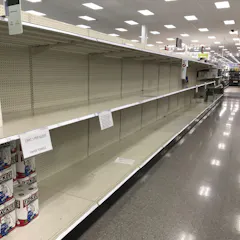
Modern supply chains have become very efficient, but that means disruptions of any kind can lead to delays and shortages.

It’s vital to look through a systems lens to understand how future food chains should interact and how risk should be managed. This is particularly critical as we confront a second wave of COVID-19.
Top contributors
-

Assistant Teaching Professor of Logistics & Supply Chain Management, Florida International University
-
Associate Professor, International Business, University of Nottingham
-
University of Victoria
-
PhD Student, International Business, University of Nottingham
-
Assistant Professor, Public Administration, Queen's University, Ontario
-
Associate Professor, International Business, University of Nottingham
-
Associate Professor, International Business, University of Victoria
-
Director of the Conrad School of Entrepreneurship and Business, University of Waterloo
-
Postdoctoral Research Fellow, Business, University of Victoria
-
Strategist, Advisor, Academic Researcher, Founder Shantalla Inc., University of Reading
-
Distinguished Professor of Supply Chain Management, Northeastern University
-
Lecturer, UNSW Business School, UNSW