
The new guidelines, updated for the first time since 2017, lower the threshold for hypertension treatment and offer a more personalized approach.
Articles on Stroke
Displaying 21 - 40 of 193 articles

In women, ‘atypical’ stroke symptoms can be overlooked, leaving them more vulnerable to misdiagnosis, delayed treatment and long-term harm.

Studies have shown people who sleep more than average have a higher risk of health problems and death. But is sleeping a lot a symptom or a cause?
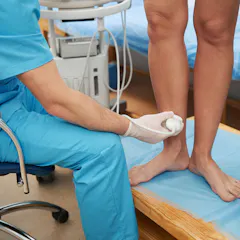
New study shows promise for early diagnosis of poor blood circulation using ultrasound.

Catching the flu or COVID can trigger a heart attack or stroke in vulnerable people. Here’s what we can all do to lower our risk.

Wildfire smoke doesn’t just darken the skies — it harms the brain, especially in those most vulnerable.

Contraceptive-users were three times more likely to experience a cryptogenic stroke.

Stroke can be devastating and life-changing but there are lifestyle changes you can make today to reduce your risk.

You might have heard that eating too many eggs will cause high cholesterol levels, leading to poor health. But what does the latest science say?
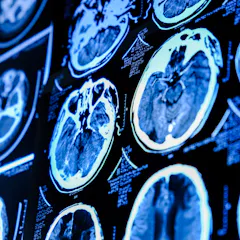
There are several lifestyle risk factors that increase the risk of brain aneurysms.

Having a salon wash and blow dry is a luxury for many but, for a rare few, a trip to the hairdresser’s has caused a stroke.

After suffering a brainstem stroke, Jean-Dominique Bauby only retained movement in his left eye. Remarkably, he was still able to write The Diving Bell and the Butterfly.

If obesity trends continue on the current trajectory, more than 80% of US adults will be overweight or obese.

We’re already seeing the impacts of weather extremes on key parts of our lives, from the food we eat to the roads we use and our health.

Do you tend to exercise mainly on the weekends? A new study finds this could offer equivalent benefits for brain health and mental health as staying active throughout the week.
About half of those recovering from a stroke or a brain injury have spatial neglect. But prism adaptation therapy – noninvasive and easy to administer – can help.

Timely stroke treatment can limit brain damage and improve outcomes for patients. But this depends on early recognition of the symptoms, which is not always easy.
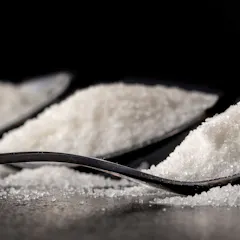
A simple switch from regular salt to salt substitute alternatives will help reduce the risk of heart attack, stroke and kidney disease. It would also provide much-needed health expenditure savings.

Even small increases in temperature can stop our brains from functioning optimally.
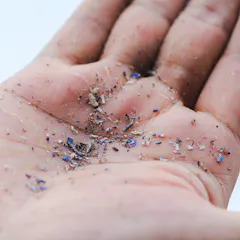
The findings of this recent study adds to a growing body of evidence linking microplastics with health harms.
Top contributors
-

Senior Nurse Lecturer, London South Bank University
-
Professor of Medicine, University of Sydney
-
Clinical Professorial Research Fellow, Australian Women and Girls' Health Research Centre, The University of Queensland
-
Professor of Nursing and Director of Health Innovations, University of Wollongong
-
Cardiologist at Westmead Hospital; Director of the Westmead Applied Research Centre, University of Sydney
-
Senior Lecturer, School of Psychology and Neuroscience, University of Bristol
-
Professor of Life Course Epidemiology, Faculty of Medicine, The University of Queensland
-
Professor and Canada Research Chair in Person Centred Interventions for Older Adults with Multimorbidity and their Caregivers, School of Nursing, McMaster University
-
Professor of Health Sciences, Simon Fraser University
-
Program Director of Nutrition and Food Sciences, Accredited Practising Dietitian, Adelaide University
-
Adjunct Professor, Department of Obstetrics and Gynecology, Faculty of Medicine, Dalhousie University, Mount Saint Vincent University
-
University of Edinburgh
-
Assistant Professor of Global Health, University of Washington
-
Professor of Health Economics, The University of Melbourne
-
Neurologist, The University of Western Australia