
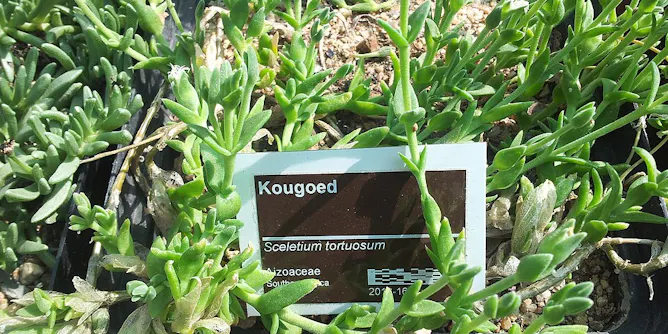
A study of extracts of a plant in South Africa traditionally used for staying alert showed similar effects in mice.
Articles on Stress
Displaying 61 - 80 of 585 articles

Multiple studies show that grass, trees, shade and sidewalks on a campus reduce student anxiety.

New Zealanders who have experienced interpersonal violence are more likely to end up in hospital for both injury and illness.

If you’re often stressed, your water bottle might be part of the solution. New research shows why hydration matters.
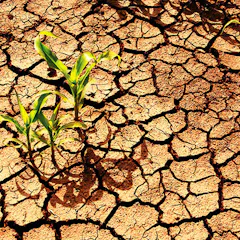
Drought adversely affects the mental health of Ghanaian farmers.

Late midlife adults (ages 55 to 64) represent one of our major resources, given the socioeconomic and health-related roles they play as caregivers to young and old. However, they may need a break.

The same principles that help athletes on the court, field or track can help you regulate stress and adapt to changes in everyday life.

Heading back to school can be a stressful time for kids and adults. Here are five evidence-based books that can help you cope with anxiety and stress.

Data from the Mental Health Commission shows the proportion of people finding it ‘difficult’ or ‘very difficult’ to cope on their income has doubled.

A paradigm shift toward more social support is in order. It may sound countercultural, but really it’s a return to how people have raised children for thousands of years.

A new study finds that dogs’ mitigation of human stress is more biologically complex than scientists previously understood.

But will the audience remain loyal to Carmy and his endless drive for perfection in a high-failure rate industry?

Distressing news can make us feel anxious, sad and scared. But simply ‘switching off’ is not always an option.

College students’ psychological well-being has deteriorated in the past two decades, but recent data suggests the tide could be turning.

Parents of autistic children have much higher levels of stress than parents of children with other disabilities. And it’s not just about the autism itself.

Even small lifestyle changes – such as more social interaction and a better diet – can help reduce stress.

Stress isn’t inherently bad – it’s a survival tool. But when it becomes chronic, it can have lasting effects on our physical and mental health.

Perseverance helps people achieve goals and is linked with well-being. But combined with chronic societal stressors, it can lead to cognitive overload that puts a strain on brain health.

We need to feel some stress to achieve our best, but if we feel too much, we can flounder. That’s where resilience comes in.

‘Cortisol belly’ isn’t a diagnosis — it’s a rebrand of diet culture.
Top contributors
-

Associate Professor, Centre for Positive Health Sciences, RCSI University of Medicine and Health Sciences
-
Professor of Organisational Psychology and Health, University of Manchester
-
Associate Professor of Family & Community Medicine and Pediatrics, retired, University of California, San Francisco
-
Associate Professor (Adj) He/Him, Southern Cross University
-
Assistant Professor, Department of Psychology, University of Manitoba
-
Senior Research Fellow in Mental Health, Victoria University
-
Associate Professor of Organisational Behaviour, Bond Business School, Bond University
-
Professor of Psychiatry, Wayne State University
-
Associate Professor, Psychosocial Difficulties, University of Oslo
-
Assistant Professor of Psychiatry and Behavioral Neurosciences, Wayne State University
-
Professor of Psychology, USC Dornsife College of Letters, Arts and Sciences
-
Honorary Professor, Centre for Health Systems and Safety Research, Macquarie University
-
Assistant Professor, Werklund School of Education, University of Calgary
-
Senior Lecturer in Sport & Exercise Psychology, Sheffield Hallam University
-
Business psychologist, Lancaster University