
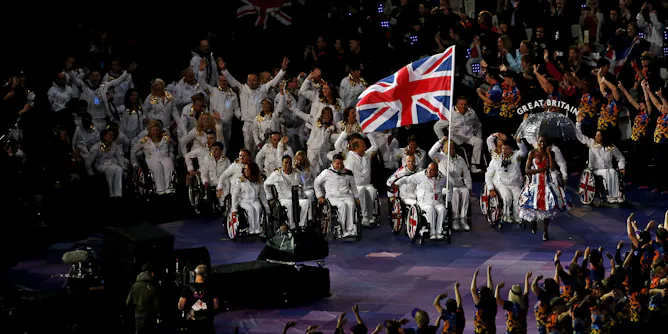
As sport researchers, we meticulously study international sporting events, focusing on their impacts and legacies.
Articles on State of the Arts
Displaying 61 - 80 of 91 articles
People from working-class backgrounds need to be more visible in the TV industry across all levels to create more culturally diverse output.
We recently ran a roundtable to find out how the climate emergency is impacting events, and what is needed to adapt.

Those on the gay scene can feel forced into changing how they present themselves to gain access to LGBTQ+ pubs and clubs
The Melbourne Symphony Orchestra has now announced it was an error to cancel a performance by Jayson Gillham. Indeed, classical music has often been tied to politics.
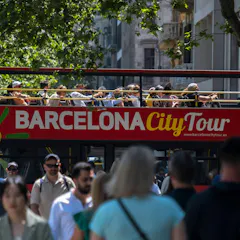
Tourism in popular destinations is complex, with a variety of operators, vested interests, influences and competing needs. Getting the balance right to protect local people is challenging.

The formula for winning based on previous prizes means it’s likely a big name will win for a project in the south of England.
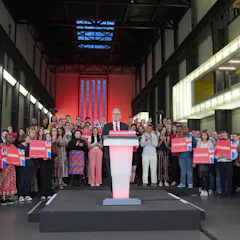
A new UK government signals new hope for the arts, but will Labour’s new “politics of service” ensure that necessary changes are made to creative education and the cultural industries?

Sports policies in Australia focus on increasing participation at the grassroots. Arts policies tend to talk not so much about participation, but about audiences.
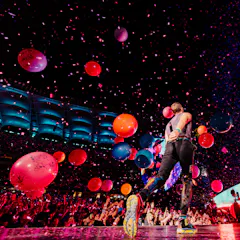
The return on government investments in arts and events should be measured over a decade, not a month.

Regional galleries are uniquely positioned to lead the transformation of Australia’s art industry towards greater cultural diversity.
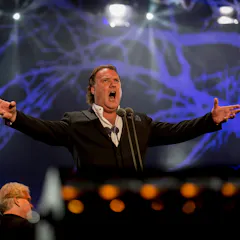
After Brexit, the pandemic and relentless budget cuts, UK opera is facing declining public interest. But British companies are rallying to the challenges to preserve the tradition.
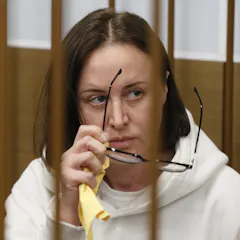
It is the first time a playwright and director have been put on trial for a play in Russia.
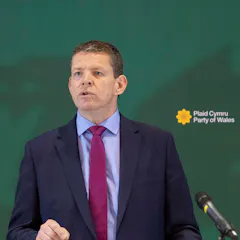
There is no doubt that there is mounting pressure for control over broadcasting to be devolved to Wales.
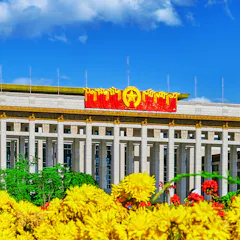
In a recent two-week tour of China, I was aware of just one major exhibition of foreign art. What does this mean for Australian artists in China?
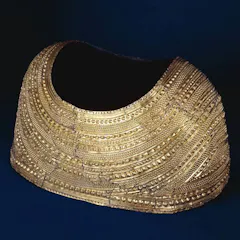
Increased arts funding, more devolved powers and a strong sense of Welsh culture and pride.
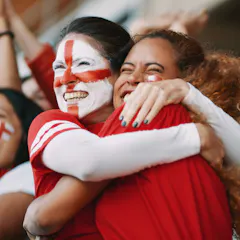
Football is rooted in the social fabric of our everyday lives, past and present, giving it a strong ability to aid political agendas.
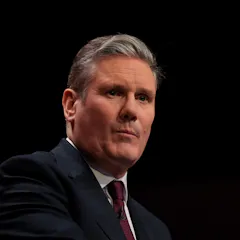
It is good to read that Labour understands the need for a talent pipeline that feeds the huge potential for growth in the creative industries. But detail is lacking.

Culture is more than just an industry.
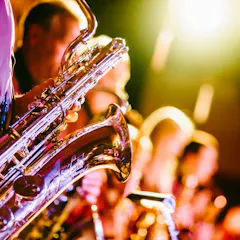
Despite calling the sector ‘world leading’, both Labour and the Conservatives have failed to give any concrete commitments for funding the creative industries.
Top contributors
-

Reader in Music, Politics and Society, Newcastle University
-
Vice-Chancellor's Senior Research Fellow in Music Industries and Cultural Economy, RMIT University
-
Professor of Cultural Economy, Adelaide University
-
Associate Professor, Cultural Policy and Creative Industries, Adelaide University
-
Professor of Film and Media, Aberystwyth University
-
Academic in Theatre and Performance Studies, University of Sydney
-
Lecturer in Music Industry and Popular Culture, RMIT University
-
Associate Professor, Music Industry, RMIT University
-
Lecturer in Media and Communications, The University of Melbourne
-
Assistant Professor of Creative Writing and Meskell Poet in Residence, University of Limerick
-
Senior Lecturer, Thomas More Law School, Australian Catholic University
-
Professor of Cultural Engagement; Director of the Centre for Cultural Value, University of Leeds
-
Associate Professor and Cinema and Screen Studies Discipline Leader, Swinburne University of Technology
-
Professor of Conservation, Cardiff University
-
Policy and Knowledge Exchange Lead, Department for Health, University of Bath