
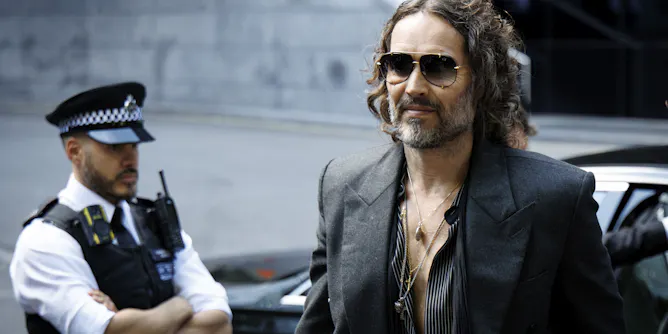
In an industry dominated by short-term freelance contracts and informal hiring networks, reputation is currency.
Articles on State of the Arts
Displaying 1 - 20 of 91 articles
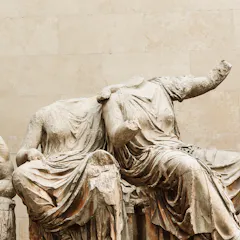
Who should have control over not only how artefacts move but are understood?
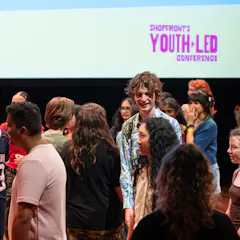
The second annual Shopfront Youth-Led Conference was designed by young people for young people. They wanted to talk about ‘redesigning success’.

Disputes from 1944 to today trace the increasingly central role of government funding in shaping working conditions in the arts.

Australia’s artists show courage by making risky, boundary-pushing art. But there aren’t enough courageous organisations willing to back them.
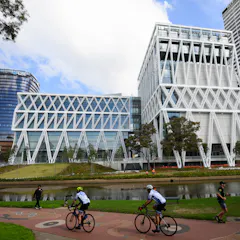
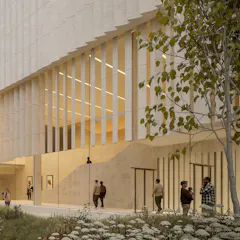
Sydney’s Powerhouse Parramatta was built on a bold leader’s vision. Now that leader is stepping down, weeks before it is due to open.
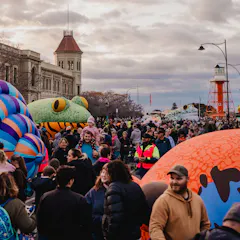
Governments at all levels often assume arts funding is not electorally popular. New data shows they are wrong.
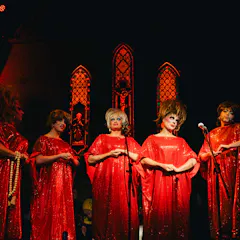
Divine Playhouse, a queer arts venue in a deconsecrated church, was forced to close its doors in Sydney last week. It doesn’t have to be this way.
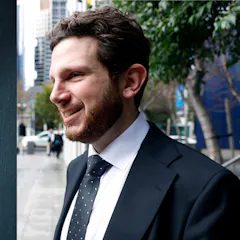
The court has found the cancellation of Jason Gillham’s concert by the Melbourne Symphony Orchestra was not prohibited by Australian workplace laws.

Many of Australia’s favourite artists – from AC/DC to Kylie – have been found in massive AI datasets.
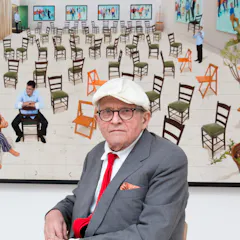
There was space and money for him to explore and try things out, luxuries that today’s students don’t have.
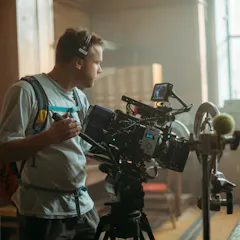
The key issue is no longer simply who gets into television, but who can afford to stay and build a long-term career.
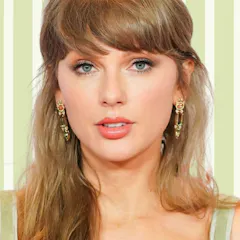
Swift appears to be the first musician to take this step.
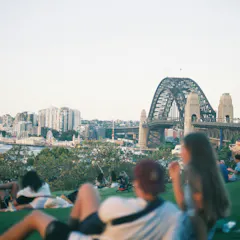
The artist population has fallen in all areas of Sydney, becoming less diverse, both racially and economically.
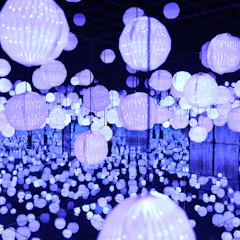
Heritage is a cultural process rather than a set of old things.

The controversy reveals a form of externalised censorship.
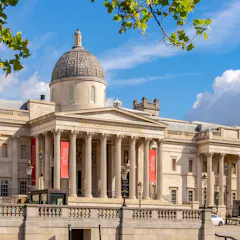
Rather than fighting over this or that patch of art history, surely London’s museums can agree that all art is a ‘continuum’?
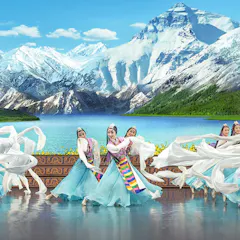
Shen Yun is one of Falun Gong’s culture outreach organisations. It markets its dance performances as a revival of ‘traditional Chinese culture’.
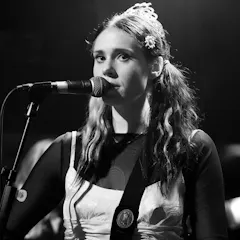
Local music scenes are shrinking, and young performers lack opportunities to try out new material.
The cuts are a sign of how exposed even our best-known cultural institutions have become.
Top contributors
-

Reader in Music, Politics and Society, Newcastle University
-
Vice-Chancellor's Senior Research Fellow in Music Industries and Cultural Economy, RMIT University
-
Professor of Cultural Economy, Adelaide University
-
Associate Professor, Cultural Policy and Creative Industries, Adelaide University
-
Professor of Film and Media, Aberystwyth University
-
Academic in Theatre and Performance Studies, University of Sydney
-
Lecturer in Music Industry and Popular Culture, RMIT University
-
Associate Professor, Music Industry, RMIT University
-
Lecturer in Media and Communications, The University of Melbourne
-
Assistant Professor of Creative Writing and Meskell Poet in Residence, University of Limerick
-
Senior Lecturer, Thomas More Law School, Australian Catholic University
-
Professor of Cultural Engagement; Director of the Centre for Cultural Value, University of Leeds
-
Associate Professor and Cinema and Screen Studies Discipline Leader, Swinburne University of Technology
-
Professor of Conservation, Cardiff University
-
Policy and Knowledge Exchange Lead, Department for Health, University of Bath