
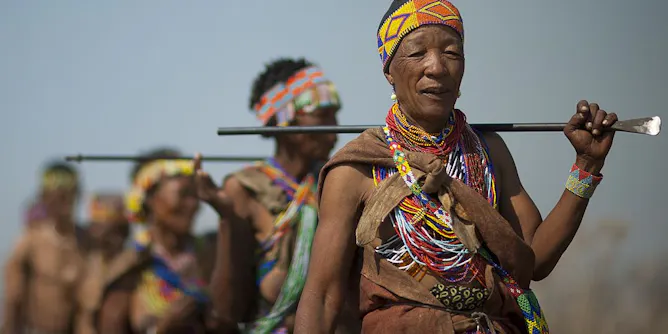
The first speech sounds were uttered about 70,000 years ago and not hundreds of thousands of years ago as is sometimes claimed.
Articles on Southern Africa
Displaying 41 - 60 of 145 articles
Even by conservative estimates, Mozambique’s snakebite figures are far higher than previously thought.
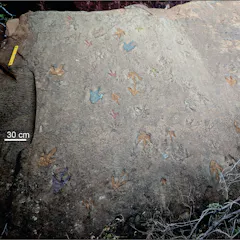
Fossil footprints are a treasure chest of information.
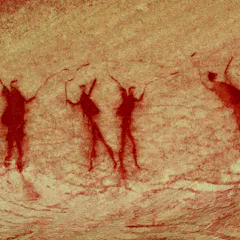
Sometimes archaeologists can “hear” the ancient past using acoustic methods.

Shared designs for stone tools across southern Africa show early humans had wide social connections before beginning to migrate to the rest of the world.
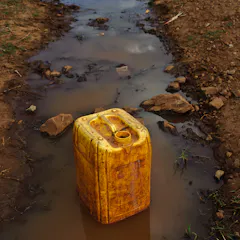
500 million people live in 19 African countries deemed “water insecure”.

Repeat photography has been used to document vegetation change in Africa since the 1950s; in the last 30 years there’s been an explosion of interest.
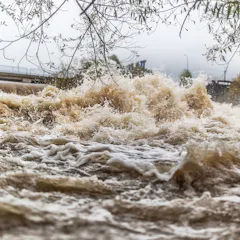
Southern Africa’s current above-average rainfall is a climate variability signal - a short-term fluctuation in average wet-season conditions.
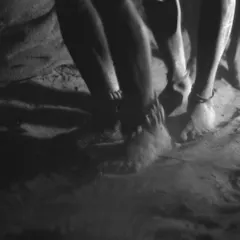
The moth cocoons are the first archaeological evidence of shamanic ritual paraphernalia in southern Africa.

Detailed field notes can help researchers track down rare species.
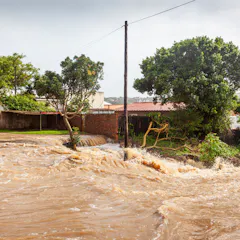
The picture seems hopeless, but with mitigation and adaptation strategies and policies driven through COP26, southern Africa can reduce the impacts of climate change on local livelihoods.
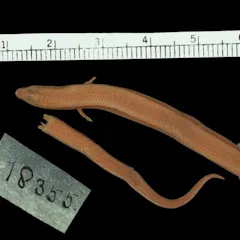
Species distribution data – or a lack thereof – can have a major bearing on how a country’s Key Biodiversity Areas and protected areas are designated.
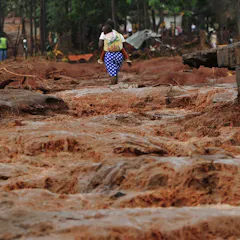
The report projects an increase in mean temperatures and hot extremes across the continent. Worryingly the rate of temperature increase across the continent exceeds the global average.

Baobab flowers have male and female parts but individual trees appear to be favouring one rather than the other. To keep tree populations healthy and fruitful, both types are needed.
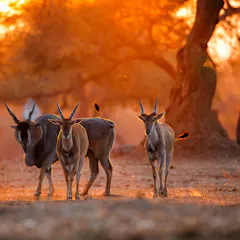
In several other parts of the world, people used the bones of animals that were important within their respective cultures to make tools.
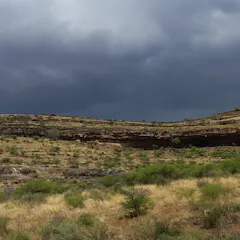
People were drawn to Ga-Mohana for many reasons. Surface water was likely among them.
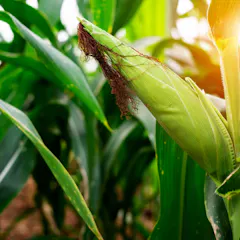
Large-scale droughts can have cascading impacts on food security. They can reduce yield, increase food prices, trigger changes in consumption and lead to unstable supply.
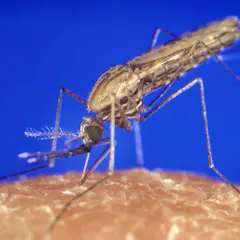
Southern African Development Community countries are very connected. Highly mobile and migrant populations frequently cross borders, posing significant challenges to reaching a malaria-free region.
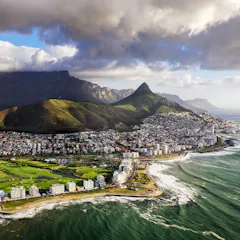
Regional tourism took a huge knock from the Day Zero experience in Cape Town, South Africa. Here are the lessons learnt.
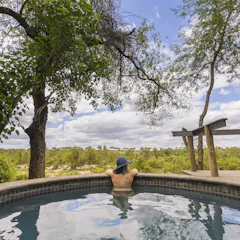
Tourism ventures in a water-stressed region like southern Africa need to balance the needs of guests and staff with the needs of surrounding communities.
Top contributors
-

Professor of World Politics, SOAS, University of London
-
Professor of Physical Geography, University of the Witwatersrand
-
Research Associate, African Centre for Coastal Palaeoscience, Nelson Mandela University
-
Lecturer, Lúrio University
-
Associate professor, University of Johannesburg
-
Research Associate, University of the Witwatersrand
-
Medical scientist, National Institute for Communicable Diseases
-
Director of the Gothenburg Global Biodiversity Centre, University of Gothenburg
-
Research Fellow at the Käte Hamburger Research Centre global dis:connect, Ludwig Maximilian University of Munich
-
Visiting Adjunct Professor, School of Governance, University of the Witwatersrand
-
Lecturer, University of Cape Town
-
Researcher, Agricultural Research Council
-
Extraordinary Professor, Global Health, Stellenbosch University; South African Medical Research Council
-
Research Fellow, Stellenbosch University
-
Assistant Professor, Université Mohammed VI Polytechnique