
Elon Musk’s new paid verification program resulted in the widespread use of parody accounts by shitposters on the social media platform.
Articles on Social media and society
Displaying 41 - 60 of 84 articles

One in seven respondents believed the victims of the Manchester terrorist attack were ‘crisis actors’.
With less than 14% of shares, Meta’s chairman and chief executive controls the majority of votes because of the tech company’s dual-class share structure.
Mastodon is open-source software that enables a decentralized social media network. It operates differently from the corporate-owned social media platforms we have become accustomed to.
With Twitter users considering a relocation to the decentralized social media network Mastodon, there’s an opportunity for the CBC to lead the way in re-imagining online futures for Canadians.
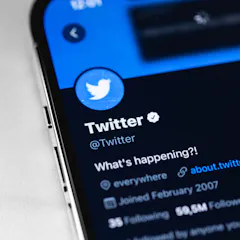
It’s not clear what will happen to the safety features that come with Twitter verification.

The internet has been heralded as liberation technology and accused of undermining democracy. The available research shows it is a bit of both.
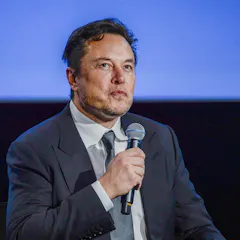
Moderating content is a box that still needs to be ticked.
Meta’s focus on virtual reality might free up space for smaller social media players to compete.

While Musk’s first steps as Twitter owner don’t inspire confidence, the platform continues to retain its original content moderation policies (for now).
Platforms have started a silent censorship war through this opaque (and often harmful) approach to content moderation.
Andrew Tate’s content offers a toxic blend of self-improvement and male supremacism.
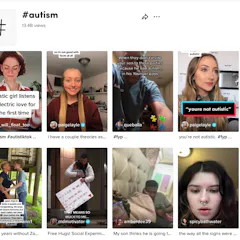
ActuallyAutistic, #AutismAcceptance and #AutisticAdults are all popular TikTok hashtags. But as much as TikTok can be liberating for people with autism, the conversation can’t stop there.
Citizens’ social media is a form of alternative media that challenges both mainstream media and right-wing propaganda.

Online personalities like Andrew Tate are using social media to amplify their misogynist and anti-woman rhetoric. Social media companies deplatforming them can cut them off from followers and revenue.

Think about how your child might feel in the future.
We should be concerned about the sweeping discretion social media companies have over so much of our speech.
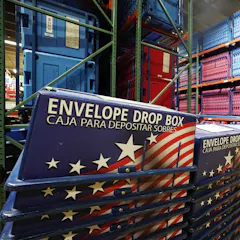
Misinformation has bedeviled social media companies for years, and the problem is especially consequential during elections. Are the companies up to the job as the 2022 midterm elections approach?
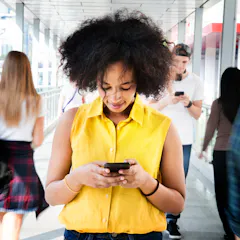
The effects social media has on our mental health may depend on how we use it. Taking control, and knowing when to take a break, is crucial.

The risk of experiencing harm online is real, especially for children – but decades of research don’t support the alarmist tropes used in these conversations.
Top contributors
-

Research Fellow in Digital Childhoods, Deakin University
-
Chair of Cognitive Psychology, University of Bristol
-
Science + Technology Editor, The Conversation
-
Associate Science Editor & Co-Host of The Conversation Weekly Podcast, The Conversation
-
Associate Professor of Digital Communication, RMIT University
-
Adjunct Senior Fellow, School of Psychology, The University of Queensland
-
Professor of Social Psychology in Society, University of Cambridge
-
Ontario Research Chair of Digital Governance for Social Justice, York University, Canada
-
Lecturer in Psychology, University of Cambridge
-
Professor of Information Systems, Michigan State University
-
Lecturer in Marketing, Griffith University
-
Leverhulme Trust Early Career Research Fellow, Lancaster University
-
Professor of Information Sciences & Director, Social Change Enabling Impact Platform, RMIT University
-
Senior Research Associate, Department of Sociology and Deputy Director of the Reproductive Sociology Research Group, University of Cambridge
-
Professor in Information Systems, The University of Queensland