

Psychosocial and economic stressors can affect health, but neither our doctors nor our health-care system have the tools to integrate these factors into diagnoses or care. Play offers an alternative.
Articles on Social determinants of health
Displaying 61 - 80 of 144 articles

Restricting abortion access has negative effects on parents, as well as children and families, including increased poverty, unemployment, pregnancy-related deaths and higher health risks in children.

Food security is crucial to disease prevention and management, so prescribing healthy foods and reducing barriers to better diets makes sense. But food prescriptions should not be immune to scrutiny.

For people who struggle to meet their basic needs, it will take a lot more than simple psychological exercises to flourish. It will take systemic change.

While policy organizations publicly claim that they want input from racialized and other marginalized communities, many fail to listen to, accept or integrate what those communities have to say.

New research reveals how socioeconomic status influences our memory abilities and risk of dementia.

Adverse childhood experiences like abuse, neglect and dysfunction at home may not seem like primarily medical problems, but they have significant and enduring impact on physical and mental health.

Yoga, manifesting, and #livingyourbestlife may sound empowering. But wellness blames women, sets them up for failure, and hides the real challenges women face.

For the first time, an IPCC climate report has assessed evidence that weather and climate extremes are already affecting mental health — and are likely to worsen.

People living in poverty or disadvantage are three times more likely to die from COVID than the wealthy.

One in three children experiences abuse or neglect. These adverse events increase lifelong risks for chronic diseases and mental health issues, creating a public health hazard hiding in plain sight.
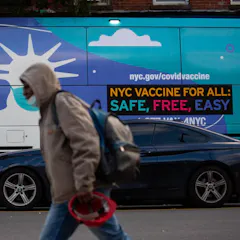
Vaccines and medical treatments can only go so far in an unequal society. Facing the ongoing history of racial discrimination and bias in the US would help end the pandemic.

Early intervention programs for young people with psychosis might cost more initially, and require more intensive support for longer periods, but they’re worth the investment.
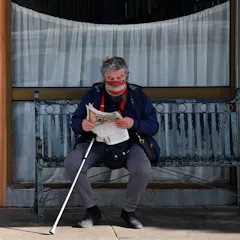
As lockdowns ease and those who are double-vaccinated gain extra freedoms, we’re likely to see a greater divide between the rich, who tend to have higher vaccination rates, and the poor.
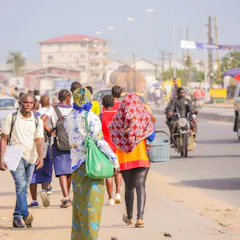
As is the case in other conflict and war situations, it was difficult to collect public data. So we examined tweets to understand what topics were being discussed.

Early life influences have been linked to higher risk of suicide later in life. Reducing those risks, and boosting resilience in children exposed to them, may help reduce suicide rates.

We owe it to Aboriginal people living near uranium mines to learn more about what’s making them sick.

Despite it’s smug title, and a few possible flaws, Norman Swan’s new book – So you think you know what’s good for you? – has lots of welcome common sense and evidence-based tips for living healthier.

Using a technique called admixture mapping, researchers can leverage the diversity of people with mixed ancestry to look for hard-to-find genetic risk factors for diseases like Alzheimer’s disease.

Black residents of Shelburne, N.S., spent decades living near a dump, worrying about its possible connection to elevated cancer rates. A new study will investigate the dump’s long-term consequences.
Top contributors
-

Full Professor and Associate Vice-President, Research, Mount Saint Vincent University
-
ARC Laureate Fellow and Professor of Health Equity, Planetary Health Equity Hothouse, School of Regulation and Global Governance, Australian National University
-
Professor of Public Health, The University of Melbourne
-
Professor, University of Sydney; RMIT University
-
Emeritus Professor, National Centre for Epidemiology and Population Health, Australian National University
-
Professor of Health Equity, Stretton Health Equity, School of Public Health, Adelaide University
-
Associate Professor, Turner Institute for Brain and Mental Health, Monash University
-
Perinatal and Pediatric Epidemiologist; Distinguished Professorial Fellow, The Kids Research Institute Australia
-
Caroline Homer is a Friend of The Conversation.
Deputy Director (Gender Equity, Diversity and Inclusion), Burnet Institute
-
Adjunct Senior Lecturer, School of Public Health and Community Medicine, UNSW
-
Dean, Medical School, Curtin University
-
Paediatrician and Director of Generation Victoria (GenV) , Murdoch Children's Research Institute
-
Senior Research Fellow in public health and public policy, Adelaide University
-
Professor Population Nutrition, Deakin University
-
Adjunct Clinical Associate Professor Curtin Medical School Public Health Physician, Curtin University