

Improving mental health through a basic income is a wise investment, one that will prevent the needless suffering of generations to come.
Articles on Social determinants of health
Displaying 21 - 40 of 144 articles

From access to preventive care to workplace protections, public policies affect the health of LGBTQ+ people and the general public in both direct and indirect ways.
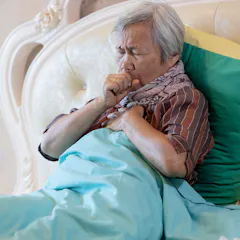
COVID antivirals are recommended for people aged over 70 and those at risk of severe illness. But many older Australians are missing out. Here’s why – and how to fix this problem.

One in four Australians report feeling lonely. As more people grapple with a cost-of-living crisis, a key driver of loneliness is financial hardship.

Supporting preventive and social care through investment in community connectors addresses the root cause of health issues, lowers future curative costs and provides better value for taxpayers.

Historical housing discrimination in Detroit persists today and causes disparities in health outcomes. Policies are making a difference, but more needs to be done.

Traumatic brain injury can have profound long-term impact, but care is often focused on immediate symptoms. Bill C-277 aims to develop a national strategy for treatment, rehabilitation and recovery.

De-centring medical expertise means fostering skillsets that reduce disparities in health outcomes. Medical expertise alone is great for those with social privilege, but not enough for the rest.

Human factors − such as how people produce food and how they organize themselves and live together − influence disease outbreaks.

This is both a result of social inequality, and an issue that could widen disparities further.

Back pain is common. One in thirteen people have it right now and worldwide a staggering 619 million people will have it this year. Chronic pain, of which back pain is the most common, is the world’s most…

In both mainstream and Indigenous communities across Canada, sport is neither inherently good nor bad. Rather, it is a tool that must be used responsibly.

While medical school may teach students about how the body works, it often neglects the social, political and cultural factors that determine health and disease. The humanities can help.

Fixating on sleep can make your sleep worse. But some people crave the connection online sleep communities provide.

The work environment is a social determinant of health. However, work has been underused as a lever to address health inequalities.

Cancer screening and other routine primary care can help address inequities if we choose to leave the unfair status quo behind.

While there is no guarantee of warding off cognitive decline, encouraging people to be physically, mentally and socially active could potentially keep a significant number of dementia cases at bay.
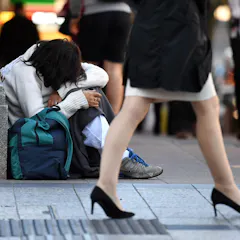
Failing to tackle the social determinants of health means reproducing disadvantage again and again.

Obese children outnumber underweight ones globally, and ‘social determinants’ in kids’ lived environments play a fundamental role. Obesity in kids can lead to a lifetime of poor health.

Tuberculosis is a preventable and curable disease, yet before the pandemic, it killed more people than any other infectious disease.
Top contributors
-

Full Professor and Associate Vice-President, Research, Mount Saint Vincent University
-
ARC Laureate Fellow and Professor of Health Equity, Planetary Health Equity Hothouse, School of Regulation and Global Governance, Australian National University
-
Professor of Public Health, The University of Melbourne
-
Professor, University of Sydney; RMIT University
-
Emeritus Professor, National Centre for Epidemiology and Population Health, Australian National University
-
Professor of Health Equity, Stretton Health Equity, School of Public Health, Adelaide University
-
Associate Professor, Turner Institute for Brain and Mental Health, Monash University
-
Perinatal and Pediatric Epidemiologist; Distinguished Professorial Fellow, The Kids Research Institute Australia
-
Caroline Homer is a Friend of The Conversation.
Deputy Director (Gender Equity, Diversity and Inclusion), Burnet Institute
-
Adjunct Senior Lecturer, School of Public Health and Community Medicine, UNSW
-
Dean, Medical School, Curtin University
-
Paediatrician and Director of Generation Victoria (GenV) , Murdoch Children's Research Institute
-
Senior Research Fellow in public health and public policy, Adelaide University
-
Professor Population Nutrition, Deakin University
-
Adjunct Clinical Associate Professor Curtin Medical School Public Health Physician, Curtin University