
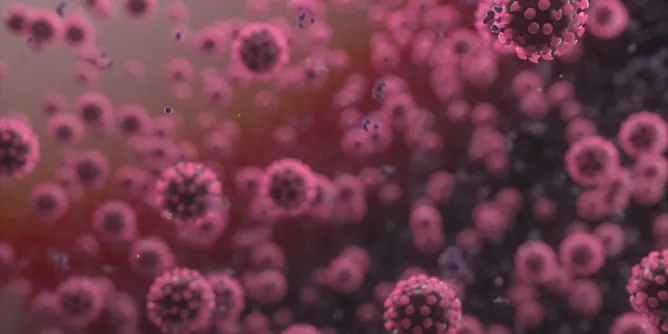
Many of these new diseases cross over, jumping from wild animals to people.
Articles on Severe acute respiratory syndrome (SARS)
Displaying 41 - 60 of 111 articles
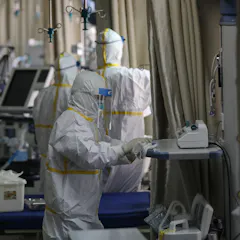
Several questions about the origin of the outbreak remain with no clear data on what this was or if it was an animal source.
There are many questions left unanswered because the outbreak is still in an early stage.
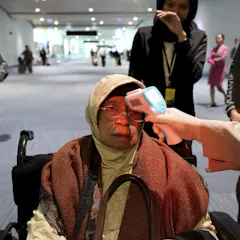
Travelers may undergo screenings at airports to control the spread of coronavirus. Research shows that these efforts have little to no effect on slowing the spread of disease.

Initial data from the outbreak in China did not reveal as much information as scientists needed to assess the epidemic. Now, more accurate data suggest an epidemic worse than some previously thought.

Pandemic does not refer to the lethality of a virus but to its transmissibility and geographical extension.

Experiences dealing with previous outbreaks of infectious disease can help countries with weak health systems prepare for new health emergencies.

The interdependency between humans, animals and the environment is becoming more pronounced. This calls for an interdisciplinary approach to health problems.

The tremendous costs of COVID-19 show why the world needs to do a better job preventing epidemics from occurring – or at least mitigate the impact.

Viruses are basically parasites and, as such, can wreak havoc – but not always. Viruses are within you right now. Viruses cause the most damage when they jump from a familiar host to a new host.
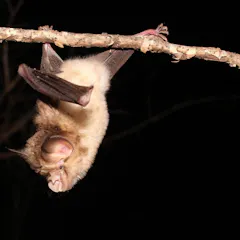
Understanding the many factors that may play a role in spillover of pathogens from bats to humans requires systematic surveillance of bat populations.

Thousands of Chinese producers are at risk of going bust as a result of the outbreak.

President Ramaphosa’s state of the nation speech showed his preference for less contentious matters that attract praise, rather than catalytic decisions.
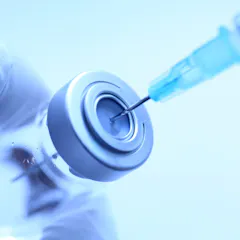
Researchers around the world are working together to control the coronavirus outbreak, now known as COVID-19. This is what’s behind the global effort to develop a vaccine.
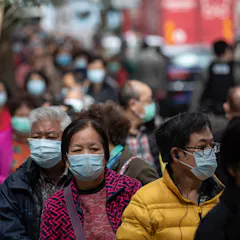
There’s no evidence the new coronavirus is airborne. It appears to spread by larger droplets, direct contact and contaminated surfaces or objects.

The prevalence of racism and scapegoating in the face of catastrophes and disasters has a much longer history than the new coronavirus outbreak.
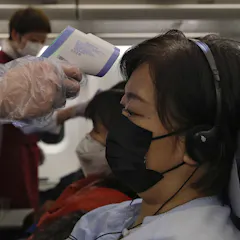
The World Health Organization has said the coronavirus is not yet a pandemic. That raises a question: just what is a pandemic? An expert explains.

Epidemiologists want to quickly identify any emerging disease’s potential to spread far and wide. Dependent on a number of factors, this R0 number helps them figure that out and plan accordingly.
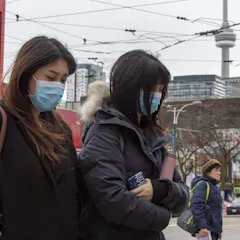
We have a strong tendency to overreact emotionally and underreact behaviourally to news of infectious diseases.
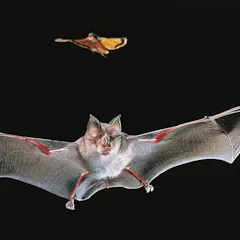
Some of the world’s worst diseases have come from animals. Bats, cows, camels and horses have all contributed. Now, scientists are working to know which animal introduced the new coronavirus.
Top contributors
-

Principal Scientist and Canada Research Chair in Zoonotic Virus and Animal Reservoirs at the Vaccine and Infectious Disease Organization and Co-Lead of One Health at the University of Saskatchewan, University of Saskatchewan
-
Professor of Global Biosecurity, NHMRC L3 Research Fellow, Head, Biosecurity Program, Kirby Institute, UNSW
-
Professor of Medicine, University of Virginia
-
Associate Professor of Biology, Penn State
-
Professor of Plant Pathology and Environmental Microbiology, Penn State
-
Professor and Director of Doherty Epidemiology, The University of Melbourne
-
Associate Professor in Public Law, University of Cape Town
-
John Curtin Distinguished Professor of Health Science, Curtin University
-
Senior Lecturer, Infectious Diseases Epidemiology and Control, UNSW
-
Adjunct Associate Professor, Faculty of Medicine
-
Lecturer in Virology, Queen's University Belfast
-
Professor/Director Centre for Viral Zoonoses/ DST-NRF South African Research Chair, University of Pretoria
-
Virologist, The University of Queensland
-
Professor of Entomology and Director of the Center for Infectious Disease Dynamics, Penn State
-
Lecturer in Finance, University of Greenwich