
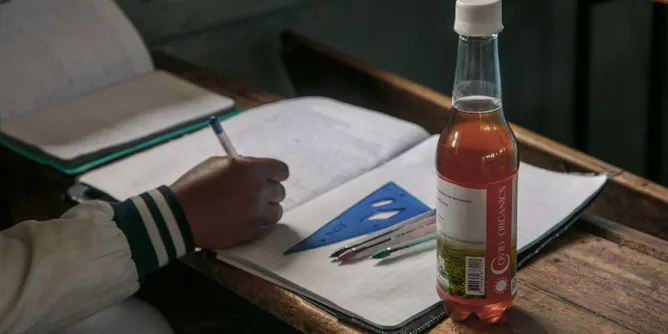
Authorities around the world can do more to ensure that correct information and messages on the pandemic reach everybody.
Articles on Severe acute respiratory syndrome (SARS)
Displaying 21 - 40 of 111 articles
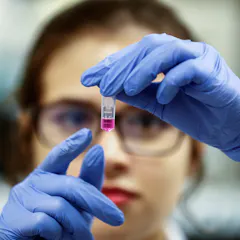
We don’t have vaccines for the Sars, Mers or the common cold. But that doesn’t mean scientists won’t crack it this time.
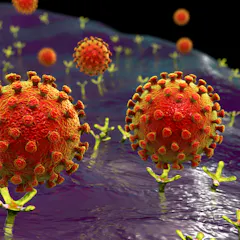
A molecule responsible for lowering our blood pressure also helps coronavirus get into our cells and replicate. And it occurs more in men than in women.

Mysteries surround the coronavirus, but our expert is here to address some of the most perplexing issues.
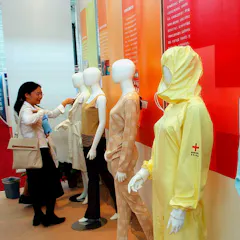
COVID-19 and SARS are both deadly – but different. SARS symptoms were quick to appear, making it easier to contain. Because health officials were able to contain it, the virus died off.
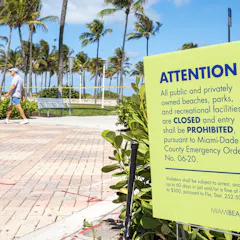
Winter is flu season – could it be coronavirus season as well? The research is mixed, but other factors besides temperature and humidity have more to do with the spread of SARS-CoV-2.

Ever heard of 229E, OC43, NL63 and HKU1?
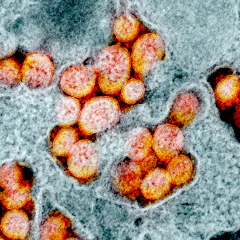
Two phrases you hear a lot these days are viral load and infectious dose. What do they mean? Do they reflect the severity of disease or whether someone will get severely ill? Two experts explain.

When a new virus emerges and triggers a pandemic, it is important to trace its origins. Knowing more about how the virus jumped species in the first place can help curb future zoonotic diseases.

When a government’s health messaging during a crisis is inconsistent or unrealistic, it engenders the kind of confusion, misinformation and non-cooperation seen in the US and UK.
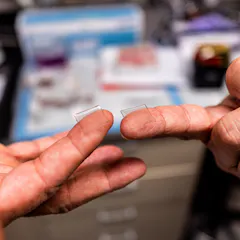
University of Pittsburgh researchers are developing a vaccine patch for COVID-19 that is as easy to apply as a Band-Aid.
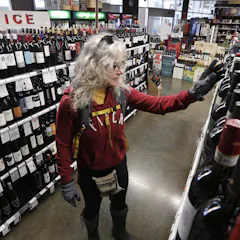
Sales of alcohol have reported jumped by around a quarter as people bulk buy wine, beers and spirits. That could lead to a range of short-term and long-term problems.

Buildings with lots of occupants such as tower blocks and hospitals could be a hidden risk in the battle against COVID-19.
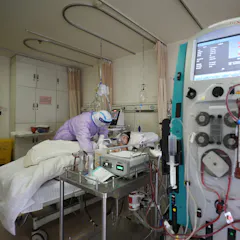
In the most severe cases, COVID-19 patients need oxygen pumped directly into their airways, or even be hooked up to a machine that does the job of their heart and lungs.
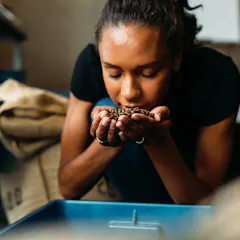
Patients who later test positive for COVID-19 are reporting early loss of smell and taste. Researchers are now trying to understand if this could be an early sign of the disease.
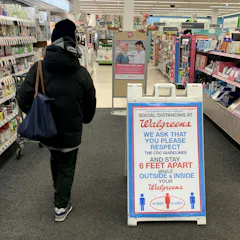
Handling the US outbreak requires a look at what’s working for the rest of the world – and our own history.

During a pandemic, a home birth starts looking better every second. Midwives with their specialized skills in low-risk normal birth can be of great service.

The SARS-CoV-2 virus responsible for the COVID-19 pandemic is undergoing extensive genetic analysis around the world to understand its origin and evolution.
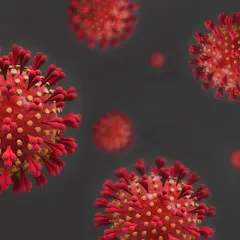
Scientists need to close the knowledge gap around COVID-19 and the virus that causes it.
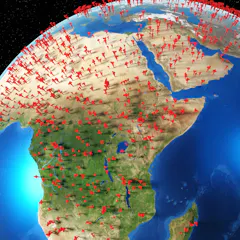
African countries need to strengthen their capacity for identifying new cases.
Top contributors
-

Principal Scientist and Canada Research Chair in Zoonotic Virus and Animal Reservoirs at the Vaccine and Infectious Disease Organization and Co-Lead of One Health at the University of Saskatchewan, University of Saskatchewan
-
Professor of Global Biosecurity, NHMRC L3 Research Fellow, Head, Biosecurity Program, Kirby Institute, UNSW
-
Professor of Medicine, University of Virginia
-
Associate Professor of Biology, Penn State
-
Professor of Plant Pathology and Environmental Microbiology, Penn State
-
Professor and Director of Doherty Epidemiology, The University of Melbourne
-
Associate Professor in Public Law, University of Cape Town
-
John Curtin Distinguished Professor of Health Science, Curtin University
-
Senior Lecturer, Infectious Diseases Epidemiology and Control, UNSW
-
Adjunct Associate Professor, Faculty of Medicine
-
Lecturer in Virology, Queen's University Belfast
-
Professor/Director Centre for Viral Zoonoses/ DST-NRF South African Research Chair, University of Pretoria
-
Virologist, The University of Queensland
-
Professor of Entomology and Director of the Center for Infectious Disease Dynamics, Penn State
-
Lecturer in Finance, University of Greenwich