
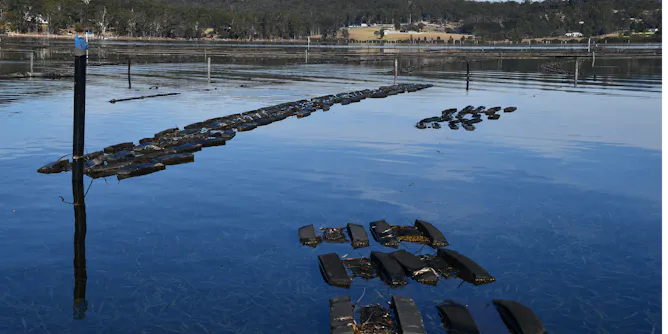
Bushfires not only destroy things on land, they can also have an impact on our seafood industry including our oyster farms.
Articles on Seafood
Displaying 41 - 60 of 70 articles

Regulations have lowered mercury emissions globally, but the risks to ocean ecosystems and human health may be getting worse.

Scientists are uncovering the secrets of a giant undersea rock shelf, parts of which lie four kilometres below the ocean’s surface.
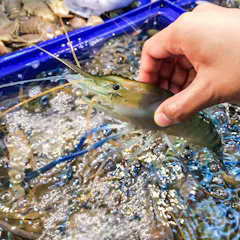
Entire populations of prawn ‘super-females’ are now being commercially distributed. The science behind this continues to advance and could have a far-reaching impact on both humans and animals.
The FDA has given the green light to sell the first genetically engineered animal – farmed salmon –in the US.
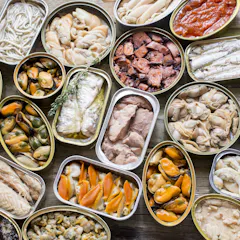
Our new paper titled ‘DNA barcoding validates species labelling of certified seafood’ presents the largest and most comprehensive assessment of MSC-labelled products to date.
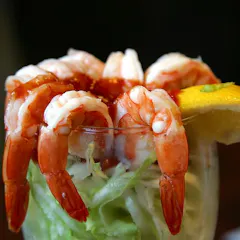
Alongside with milk, eggs, peanuts, tree nuts, wheat, soybeans and fish, shellfish are one of the eight allergens that account for 90% of food-related allergic reactions. What if a vaccine could exist?
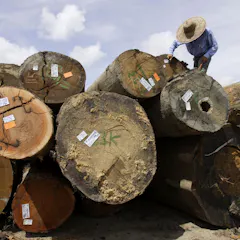
In a global economy, passing laws to conserve forests, fisheries or other natural resources can simply shift demand for those goods to other countries or regions where they aren’t as well protected.
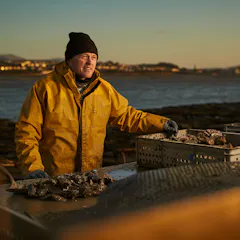
In a world where products are just a few clicks away, foragers continue to seek out their food.
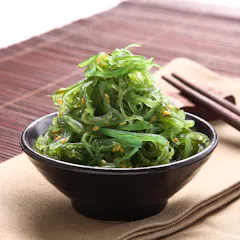
Climate change will affect the nutrition of seaweeds eaten by billions of people around the world.
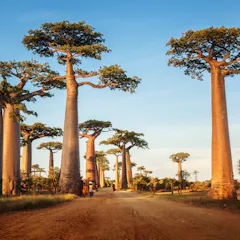
Without an array of ecosystems and species, it’s tough for farmers to grow crops or ranchers to raise animals.
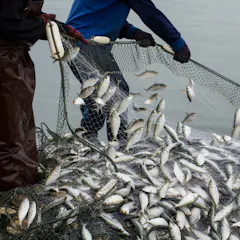
A lack of sustainability, profitability and transparency in the global fishing industry is exacerbating the problem of slave-like working conditions for crew. Here are the warning signs to look out for.
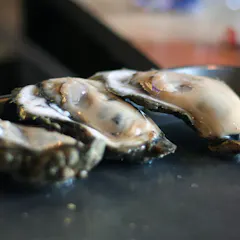
Oysters are big business along the Gulf Coast, but raising them off-bottom – which yields a premium product – is just starting there. Hurricane Michael showed it won’t be easy.
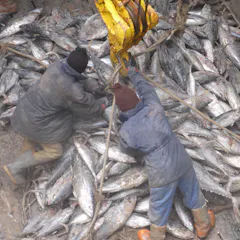
The seafood industry is a major contributor to modern slavery.

Microplastics in seafood are well recorded but there are many other sources.
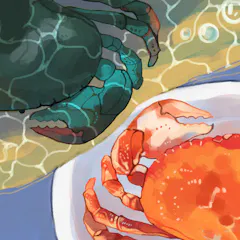
When crustaceans are cooked, some chemicals in their shells react with heat and change colour.
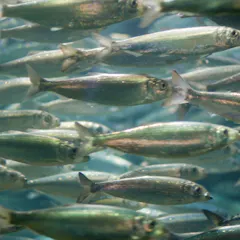
Fish are a key food source for millions of people worldwide. But a recent study finds long-term warming over the next 200 years could starve tiny plankton, with impacts that would ripple up food chains.

Many critics say that fish farms mainly sell their output to wealthy countries and don’t provide much benefit to poor people in producing countries. Three aquaculture experts show why this view is wrong.

The mountainous Gangwon province, home of the 2018 Olympics, boasts some unique fare. A Korean professor describes her favorite dishes, from Korean surf and turf to tofu as soft as ice cream.

The ocean is getting warmer and more acidic but changing our diet could help us cope.
Top contributors
-

Associate Professor in Conservation Biology, The University of Queensland
-
Professor of International Development, Michigan State University
-
Postdoctoral research fellow, Centre for Biodiversity and Conservation Science, The University of Queensland
-
Professor of Marine Biodiversity, Liverpool John Moores University
-
Professor of Aquatic Resources Development, University of Stirling
-
Pew Marine Fellow; Marine Policy Advisor, Oceana Europe & Research Scientist, Technical University of Denmark
-
Faculty Research Associate in Marine Biology, Arizona State University
-
Communication Manager - CSIRO Oceans and Atmosphere, CSIRO
-
Cornelia H. Dudley Professor of Psychology, Knox College
-
Professor of Economics, Colorado State University
-
Professor of Ecotoxicology of Delta and Coastal Waters, Vrije Universiteit Amsterdam
-
Senior Principal Research Scientist, Environment, CSIRO
-
PhD Candidate in Marine Ecology, The University of Western Australia
-
Professor in Palaebiology, University of Bristol
-
Research Ecologist, National Oceanic and Atmospheric Administration