

A pensioner carve-out would mostly protect comfortable part-pensioners, while missing younger families who are struggling most.
Articles on Private health insurance rebates
Displaying 1 - 20 of 22 articles

Government critics say changes to health insurance rebates will strain the public health system. But the evidence shows the impact might not be what you think.

New research shows what happens if the extra health insurance rebate for over-65s is scrapped, as planned. Here’s why the sky won’t fall in.
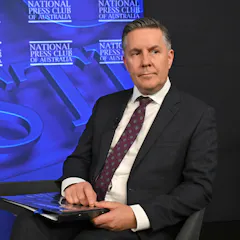
The government has announced significant cuts to the NDIS ahead of next month’s federal budget.

Yes, savings from increased participation in private insurance outweigh the costs the government incurs by subsidising private health insurance rebates. But rebates can be better targeted.

We found rebates don’t do much to encourage older people to sign up for private health insurance.

Young people don’t see the value in private health insurance and are dropping their cover in droves. Allowing under 55s to pay lower premiums, based on their lower risk, could keep them in the system.

A raft of changes to private health insurance in Australia will come into effect on April 1. Here’s what you need to know.

Private health insurance premiums will rise from April 1, leaving consumers wondering if they should give it up or downgrade to save money.

The 5.6% increase amounts to the average family paying about $300 more a year for an average policy.

Removing subsidies for the 50% with private health insurance is politically unpalatable. But scrapping rebates for ancillary services can be a good place to start.
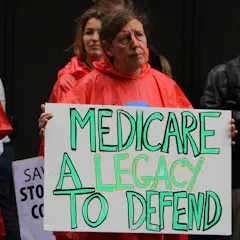
In the final instalment of our series, Lesley Russell asks whether Australians need private health insurance, and what a two-tiered systems means for quality, access and equity.

Any new such financing system would need to carefully balance competition and choice, with affordability of coverage and equal access to quality care.

Private insurance, by its very nature, suppresses price signals and encourages over-servicing and cost escalation.

Some people balk at the cost of private insurance – especially the relatively young and healthy – because they don’t see the value of it when they are already covered under Medicare.
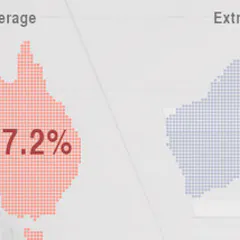
How much do Australians pay for private health insurance?

The half of Australians who have private health insurance will be face higher bills from Wednesday, as insurance premiums increase by an industry average of 6.18%.

Prompted by the government’s Commission of Audit, health policy analysts have spent the first weeks of the year vigorously debating ways to rein in Australia’s rising health budget and to make the system…
We have come to see private health insurance as an essential part of the national health funding mix, but it’s actually quite a costly way to fund health care. A well-designed system with a single national…

“The changes to lifetime health cover will increase [private health insurance] premiums by up to a reported 27.5%. This is hitting many local residents very hard, with some struggling to find the money…
Top contributors
-

Professor of Health Economics, The University of Melbourne
-
Associate Professor, School of Economics and Marketing, University of Technology Sydney
-
Associate Professor, Centre for Health Economics, Monash University
-
Lecturer, Public Sector Finance, University of Canberra
-
Professor of Health Economics, University of Bologna, University of Newcastle
-
Professor of Health Economics, University of Technology Sydney
-
Professor of Health Economics, Flinders University
-
Adjunct Associate Professor, Menzies Centre for Health Policy and Economics, University of Sydney
-
Senior Policy Adviser, National Rural Health Alliance; Adjunct Lecturer, University of Sydney
-
Phd Candidate (Economics), University of Newcastle
-
Honorary Enterprise Professor, School of Population and Global Health, and Department of General Practice and Primary Care, The University of Melbourne
-
Assistant Professor of Economics, University of Oklahoma
-
Reader in Health Economics, Centre for Health Economics, University of York
-
Associate Professor in Economics, The University of Melbourne
-
Professorial Fellow, University of Canberra