

A ‘no gap’ private health arrangement sounds great, but you may not be able to choose your specialist. Here’s what else you need to know.
Articles on Private health insurance in Australia
Displaying all articles

People on higher incomes without private health insurance don’t seem to be swayed by financial incentives, our research shows.

The government has spent $100 billion on the private health insurance rebate. Why? And does it represent value for money?

During the pandemic, there have been fewer claims on private health insurance. So why are premiums going up?

Drop, suspend, downgrade or keep? Many people are feeling the pinch and wondering if private heath insurance is worth keeping during the coronavirus pandemic. Here’s what to consider.

Private health insurance is meant to take pressure off the public system. But with exclusionary policies, people are increasingly avoiding the levies and using the public system anyway.
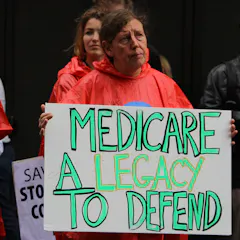
In the final instalment of our series, Lesley Russell asks whether Australians need private health insurance, and what a two-tiered systems means for quality, access and equity.

Any new such financing system would need to carefully balance competition and choice, with affordability of coverage and equal access to quality care.

Private insurance, by its very nature, suppresses price signals and encourages over-servicing and cost escalation.

Some people balk at the cost of private insurance – especially the relatively young and healthy – because they don’t see the value of it when they are already covered under Medicare.
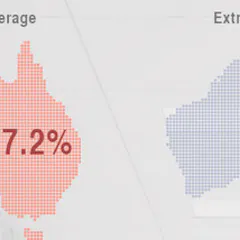
How much do Australians pay for private health insurance?

The half of Australians who have private health insurance will be face higher bills from Wednesday, as insurance premiums increase by an industry average of 6.18%.

All Australian residents have access to Medicare, so why do half the population also decide to take out private health insurance?
Top contributors
-

Associate Professor, Centre for Health Economics, Monash University
-
Professor of Health Economics, The University of Melbourne
-
Senior Lecturer, University of Sydney
-
Professor, Public Health, Victoria University, Victoria University
-
PhD Candidate, Australian Catholic University
-
Senior Policy Adviser, National Rural Health Alliance; Adjunct Lecturer, University of Sydney
-
Lecturer, Public Sector Finance, University of Canberra
-
Professor of Health Economics, University of Bologna, University of Newcastle
-
Associate Professor, School of Economics and Marketing, University of Technology Sydney
-
Professor and Director, Macquarie University Centre for the Health Economy, Macquarie University
-
Senior Research Fellow, Macquarie University Centre for the Health Economy, Macquarie University
-
Adjunct Associate Professor, Menzies Centre for Health Policy and Economics, University of Sydney