
The internet long ago extended cruelty beyond the school gate and into bedrooms and group chats. The powers of AI extend this reach.
Articles on Primary school
Displaying 61 - 80 of 263 articles
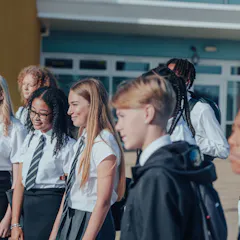
The federal government has released its ‘rapid review’ into school bullying. Most of the submissions came from parents.
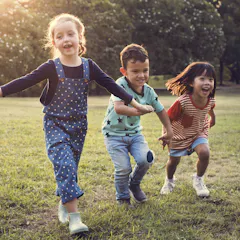
Children need physical play to develop their strength, coordination, and motor skills.

Suspending or expelling a student should be a last resort. But our study shows it is more common than it should be in NSW public schools.

New research highlights how there is little to no Australian regulation of tutoring at either state or federal levels.

League tables make good headlines and spark debate. But they should not be the guide for choosing schools.
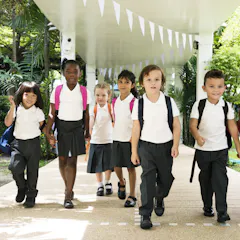
Mixed-age classes can support a greater sense of belonging and community in schools, when children across year groups form friendships.

Children experience a whole range of changes in their lives as they start school.
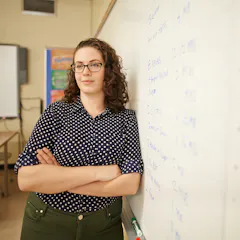
A new book shows how casual educators and teachers play a crucial role in education. But many face underpayment and uncertainty juggling too many contract jobs.
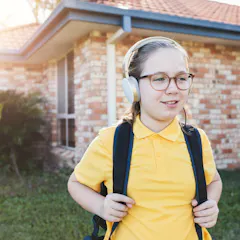
Researchers heard from students who described ‘being picked last for everything’, as well as teasing and physical pushing at school.
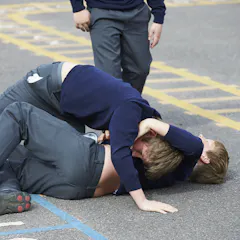
When we look at the definition of bullying, it is not surprising disagreements occur. Identifying bullying is not clear-cut.
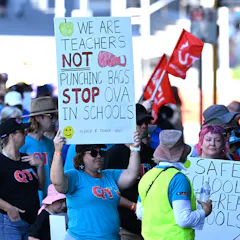
On Wednesday, Queensland’s public school teachers will walk off the job in their first statewide strike in 16 years.
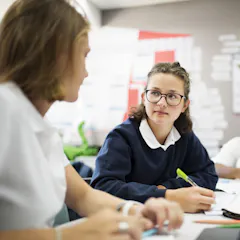
If the results are disappointing, try not to catastrophise them. For one thing, NAPLAN was done about four months ago – students will have made progress since then.

Play is a big part of early childhood education. But once kids start school, play is frequently dismissed as something fun, that is not part of learning.

The winter school holidays can be a tricky time. Parents juggling work and chilly conditions make it easy for kids to end up on the couch with multiple devices.

For many of us, calling our teachers by their first names would have been unthinkable. But some teachers are changing the centuries-old practice of formal names.
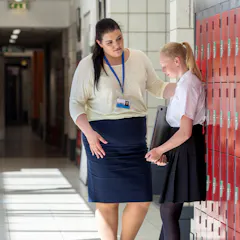
In a study of 57 Australian teachers, many shared emotionally-charged accounts of being put in impossible situations at work.
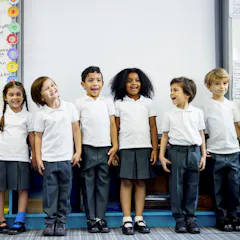
About one quarter of Australian school students are learning English as an additional language or dialect.
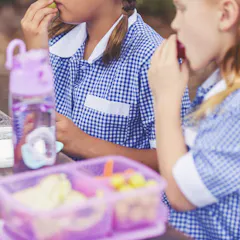
Australia is one of the few high-income countries that does not provide children with a daily nutritious meal at school.
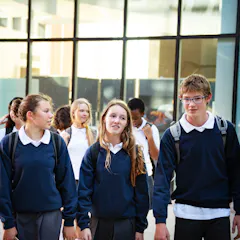
If we understand their motives, we can help children who bully change their behaviour.
Top contributors
-

Associate Professor in Educational Leadership, Australian Catholic University
-
Senior Lecturer in Mathematics Education, University of Sydney
-
Senior Lecturer in Education, University of New England
-
Lecturer in Mathematics Education, University of Sydney
-
Professor in Early Childhood Education and Community, University of Canberra
-
Senior Lecturer in Health and Physical Education, University of Tasmania
-
Lecturer in Education, Swansea University
-
Associate Professor of Education, Charles Sturt University
-
Senior Lecturer in Education, Edith Cowan University
-
Associate Professor in Education, Deakin University
-
Professor, School of Education, University of Southern Queensland
-
Lecturer (Curriculum & Pedagogy – Educational Psychology & Wellbeing)., University of Southern Queensland
-
Senior Lecturer Primary Education, University of Sydney
-
Associate Professor, Literacy, Edith Cowan University
-
Associate Professor, Institute for Learning Sciences and Teacher Education, Australian Catholic University