
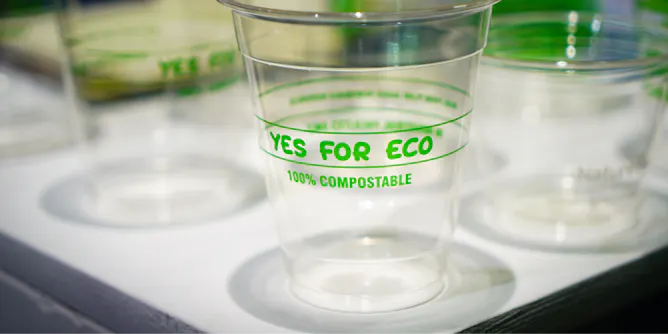
Compostable food waste bin caddies are the main sustainable use for bioplastics at present. Almost all bioplastics are ending up in landfill.
Articles on Plastic pollution
Displaying 101 - 120 of 205 articles
Many marine animals, birds and fish are ingesting plastic. New research identifies the first named health effect from it.

Evidence suggests that Scotland’s bottle deposit scheme would prevent huge amounts of litter from entering the environment.
Nigeria’s incoming president must prioritise environmental protection to avert further loss of the country’s biodiversity.
Remote islands in the Indian Ocean are now strewn with plastic waste – the origin of this waste has until now not been established.
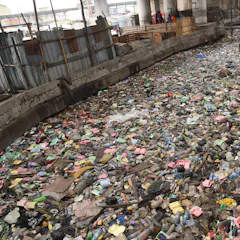
Plastic pollution can be checked in Nigeria if the government insists that companies integrate corporate social responsibility into their processes.
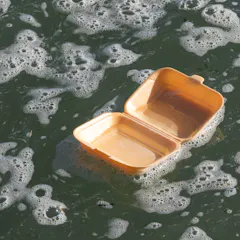
How to make England’s new ban a success.
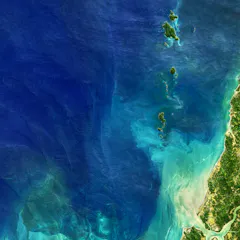
Humans are expert pattern-finders. But artificial intelligence tools are better at trawling through vast data sets to find anything from waste dumps to heat-tolerant corals.
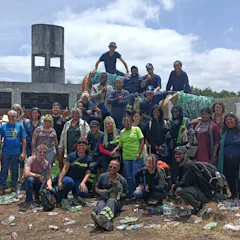
Waste pickers want a say in how policies are designed and implemented.
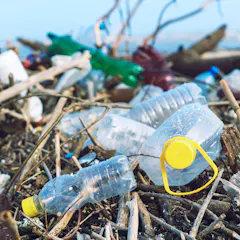
Many countries export their plastic waste abroad – but the mismanagement of this plastic waste is one of the leading causes of plastic pollution in nature.
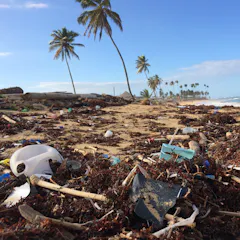
Most single-use plastics produced worldwide since the 1970s have ended up in landfills and the natural environment. Recycling is not a silver bullet.
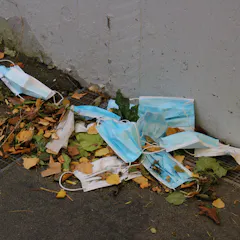
Billions of face masks and other personal protective equipment have been used throughout the pandemic. Containing plastic, these items are damaging wildlife and their environments.
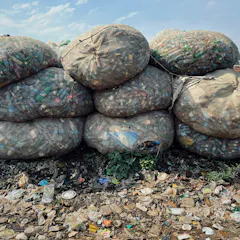
It’s important to look at the whole value chain in the plastics economy, starting with design of products that can be reused and recycled.
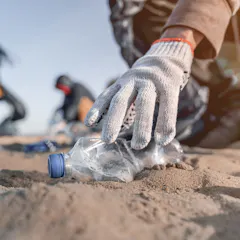
The plastic industry uses powerful tactics to convince us it’s not that bad, but in reality many of their green solutions aren’t working.
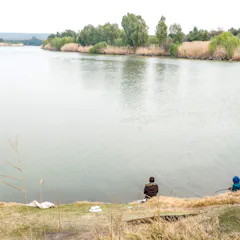
The Vaal River, which serves more than 11 million people, is considerably polluted with microplastics.
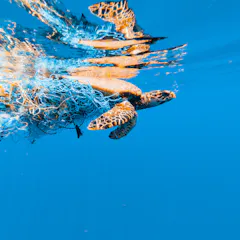
Better enforcement of existing international laws would be a much faster way of addressing plastic pollution from fishing vessels than waiting for a new treaty to be adopted.
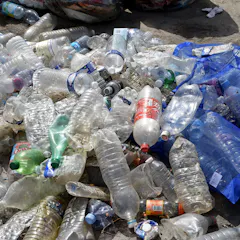
This Plastic Free July, we need to be teaching children to demand less plastic from the world’s worst producers instead of expecting change from individual recycling efforts.
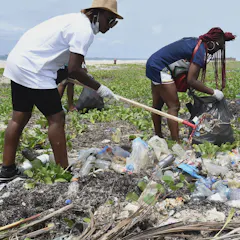
Nigeria generates 2.5 million tonnes of plastic waste yearly. Research and public enlightenment can help address the problem.
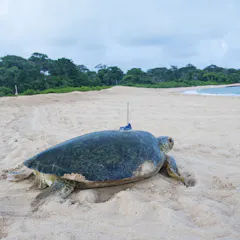
Protecting green turtles is difficult because they perform some of the longest migrations known in the animal kingdom.

Normally land-bound pathogens that cause deadly diseases for both humans and animals can cling to microplastics and end up in your seafood.
Top contributors
-

Professor of Ocean Policy and Economy, University of Portsmouth
-
Assistant Professor of Ecology and Evolutionary Biology, University of Toronto
-
Director - Global Plastics Policy Centre, University of Portsmouth
-
Senior Principal Research Scientist, Environment, CSIRO
-
Lecturer in Resource Efficiency Systems, School of Civil Engineering, University of Leeds; Imperial College London
-
Associate Professor in Arts and Sustainability, University of Portsmouth
-
Professor, School for Resource and Environmental Studies, Dalhousie University
-
Associate professor, University of Portsmouth
-
Research Chair, Indigenous Approaches to Environmental Management, Keele University
-
Banting Postdoctoral Fellow, Ocean Sciences, Memorial University of Newfoundland
-
Research Associate, Department of Civil and Environmental Engineering, Imperial College London
-
Postdoctoral research fellow, University of the Ryukyus, Okinawa Japan, Madonna University, Nigeria
-
Professor of Geography and Environmental Science, Memorial University of Newfoundland
-
Professor of Sustainable Development, Keele University
-
Professor of Law and Associate Dean for International Affairs, Wake Forest University