

Only one of 45 global climate and health indicators that measure people says whether women or men are affected. The data to fix that mostly exists already.
Articles on Planet health check
Displaying 1 - 20 of 69 articles
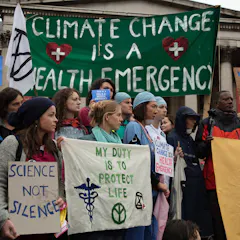
The 2026 Lancet Countdown reveals the growing health toll of extreme heat, while references to climate and health in UN speeches have declined.
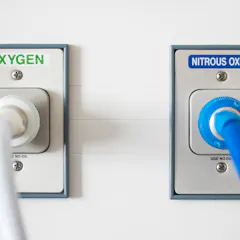
Birth involves emissions from travel, pain relief and disposable products, but system-level changes can reduce them without restricting choice.

Hospital journeys can be costly, exhausting and hard to plan. The timing and location of appointments can determine whether lower-carbon travel is possible.

When free-floating patches of seaweed are pushed together by currents and winds, seaweed strandings can inundate the coastline with often devastating consequences.
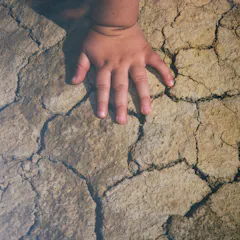
Floods, droughts and extreme heat can disrupt nutrition and healthcare in early life, with consequences that may last for years.
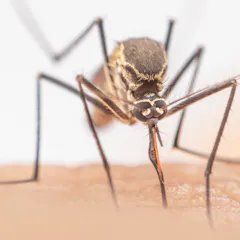
The immediate risk is very low. The discovery shows how warmer weather may change Britain’s defences against mosquito-borne disease.
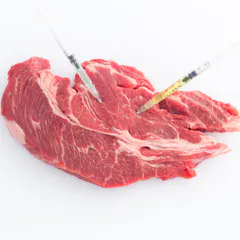
Antibiotic resistance is not only a hospital problem. Farming, food production and import standards also play a role.

Expert advice to reduce exposure to harmful pollutants and toxic chemicals.

Homeless people are at higher risk of various health problems.
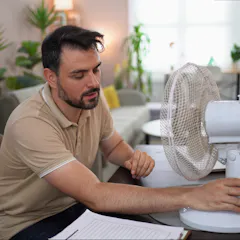
Reducing the risks of increased heat in the UK without compromising climate targets requires policy interventions, investment and a strong political will.

Researchers have transformed air quality data into maps, visualisations and exhibitions to connect people to the issues in tangible ways.
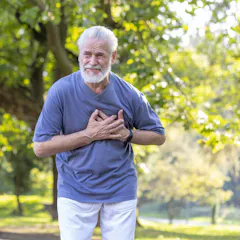
Scarred lungs make it harder for the body to cope with extreme heat, dehydration and air pollution.
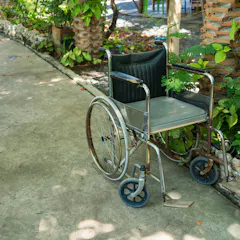
How to place disabled people, who are some of the most vulnerable, at the centre of climate change negotiations.
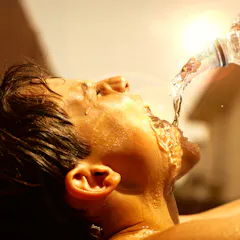
Heatwaves can damage hearts, kidneys, lungs and infrastructure.
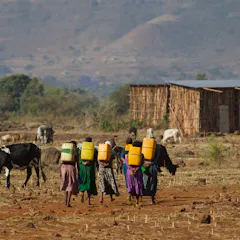
With added climate pressures, ending the abusive practice of female genital mutilation becomes more challenging.

Sleep depends partly on body temperature. When nights stay hot, these low-cost cooling strategies may help.
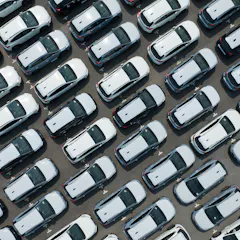
If SUVs were a country, they would be one of the world’s five biggest CO₂ emitters.

If the gut microbiome is disturbed, it could jeopardise our gut health.
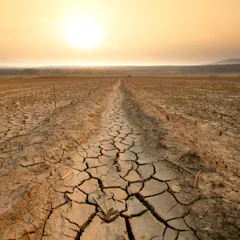
New research suggests drought-parched soil turbocharges antibiotic resistance in nature, and with UK summers getting drier, that’s a growing problem.
Top contributors
-

Assistant Professor of Climate Psychology, Centre for Social Issues Research, Department of Psychology, University of Limerick
-
Researcher, Psychology, University of Oslo
-
Senior Lecturer, Medical Microbiology, University of Westminster
-
Associate Professor in Public Health at University of Limerick, University of Limerick
-
Professor, Socio-Environmental Impact on Health Inequalities, University of Southampton
-
Associate Professor, School of Life Sciences, Pharmacy and Chemistry, Kingston University
-
Research Fellow, School of Health Sciences, University of Southampton
-
PhD researcher and lecturer, Industrial Ecology Department of the Institute of Environmental Sciences (CML), Leiden University
-
Researcher, Department of Clinical Neuroscience, Karolinska Institutet
-
PhD researcher, Wellbeing Inclusivity Sustainability & the Economy, Leiden University
-
Course Director, MSc Environmental Change and Management, University of Oxford
-
Lecturer in Economics, University of Reading
-
Associate Professor in Marine Biology, Swansea University
-
Chief Conservation Officer, Project Seagrass; Florida International University
-
Senior Lecturer in Sustainable Consumption and Resilient Infrastructure, University of Manchester