
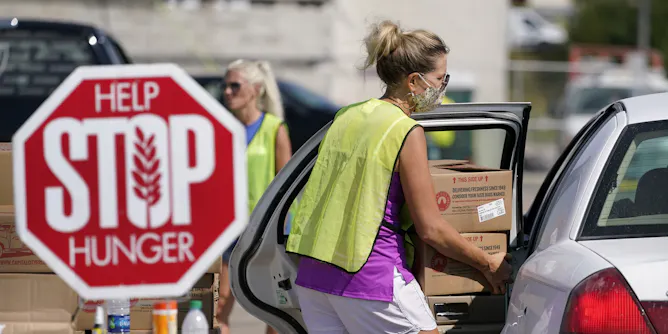
The number of people assisted by food banks had been growing over the two decades before the COVID-19 pandemic. Today, these nonprofits are facing even more demand.
Articles on Philanthropy and nonprofit research
Displaying 81 - 100 of 116 articles

Nicknaming a lake, planning your route or simply seeing a ‘Welcome to your park’ sign can help visitors feel more like a public place is their own to some degree.
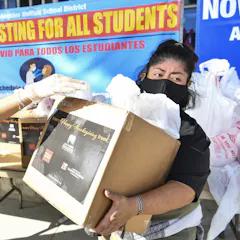
Nonprofits are being forced to do more with less money, which may force many of them to close within the next couple of years.
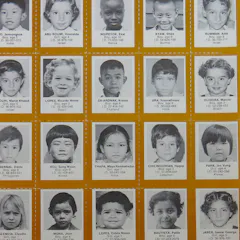
No matter who chooses whom, many sponsors of children in need see God as the real driving force when they enter this arrangement with far-away strangers.
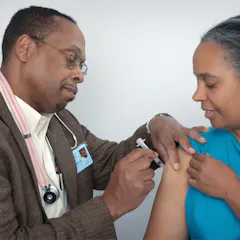
A survey suggests that most Americans feel that discussions about charitable support may interfere with the relationship between doctors and their patients.

Using a common tool for measuring subconscious stereotypes, a scholar assessed how bias against dark skin can influence an inclination to support a charity serving people in low-income countries.
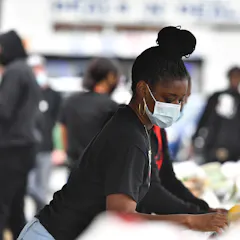
Two scholars have found links between generosity and physical attractiveness.
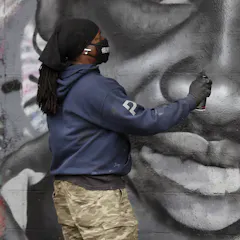
From thousands of people chipping in as little as $5 to George Floyd’s GoFundMe to donations well in excess of $1 million to HBCUs, anti-racist philanthropy is rising.
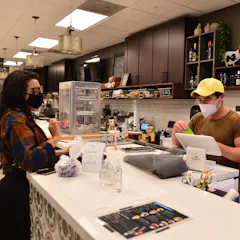
The trend of paying housekeepers unable to do their work and ordering takeout when it isn’t essential can be seen broadly as a form of charitable giving, according to philanthropy researchers.

Food pantries, the providers of services to the homeless and similar organizations now face enormous challenges.
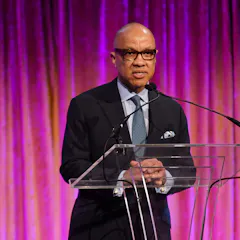
It’s too soon to say what will happen with philanthropy in 2020, but looking at 2019 may offer some clues.
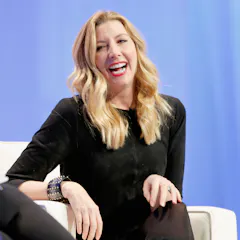
A careful review of more than 200 letters written by the wealthy people who signed the Giving Pledge over its first decade suggests a big contradiction.
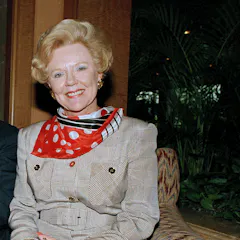
Far fewer Americans include plans for bequests to nonprofits in their wills than give to charity on a regular basis. The pandemic could be a good reason to change that.

Reliable data on charitable giving is hard to come by. But based on the information available, very rich people are at least as generous as everyone else.

Brain science suggests that seniors care more about the welfare of others than younger folks do.

The response by Chinese donors to this pandemic so far illustrates how the country’s philanthropy is beginning to go global.
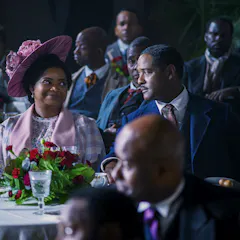
The founder of a black hair-care empire supported the NAACP and the Tuskegee Institute, helped preserve Frederick Douglass’s home. She also tried to used her prominence to stop lynching.

Because most people want to be perceived as generous, sometimes monetary incentives for doing a good deed are counterproductive.
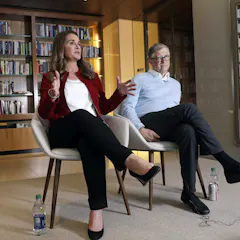
The dean of the only school of philanthropy sees some good in the attention charity-related scandals are generating.
Leaders like Ford Foundation President Darren Walker are the exception.
Top contributors
-

Interim Director of Data & Research Partnerships at the Lilly Family School of Philanthropy, Indiana University
-
Associate Professor of Nonprofit Studies, George Mason University
-
Associate Director of Research, Lilly Family School of Philanthropy, and Managing Editor, Giving USA, Indiana University
-
Professor of Economics and Philanthropic Studies; Associate Dean for Research and International Programs, Lilly Family School of Philanthropy, Indiana University
-
Interim Director of the Women's Philanthropy Institute, Indiana University
-
Associate professor, Bowling Green State University
-
Assistant Professor of Philanthropic Studies, Indiana University
-
Professor of Public and International Affairs, Baruch College, CUNY
-
Associate Professor of Planning, Public Policy and Management, University of Oregon
-
Research Associate of Philanthropy, Women's Philanthropy Institute; Doctoral student of Philanthropy, Indiana University
-
Assistant Professor of Operations and Business Analytics, The Ohio State University
-
Assistant Professor of Economics, University of Missouri-Columbia
-
Associate Professor of International Business, University of South Carolina
-
Associate Professor of Philanthropic Studies, Indiana University
-
Associate Professor of Nonprofit Management, Indiana University