
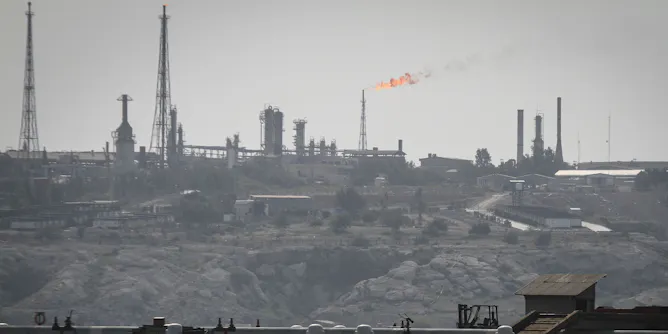
With accelerating climate change making the need to decarbonise clearer by the day, two oil-dependent countries weigh how to preserve and present their historical fossil fuel infrastructure.
Articles on Petroleum
Displaying 21 - 40 of 61 articles
Refinery closures in South Africa are shots fired in the long running contestation between the oil refiners and the government, which has been trying to introduce cleaner fuels.

Oil is used throughout the US economy. It goes into packaging, toys, clothing and especially the food we eat.
As a short term measure, modular refineries may help Nigeria with its fuel crisis. It is however not likely to be a long term solution.
Transcripts and internal documents show how the industry shifted from leading research into fossil fuels’ effect on the climate to sowing doubt about science.
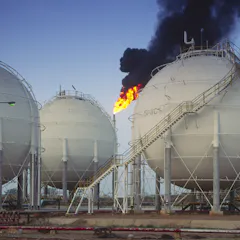
Nigeria’s new petroleum law will make its petroleum industry as competitive and attractive to investors as its peers.
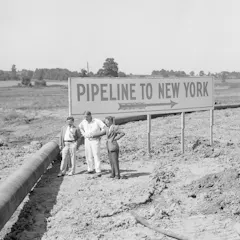
Proposals for new oil and gas pipelines can generate intense debate today, but during World War II the US built an oil pipeline more than 1,300 miles long in less than a year.
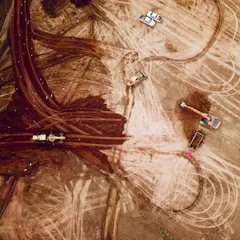
Renewables form an ever-greater share of the electricity mix. But elsewhere in the energy sector – in transport, industry and buildings – emissions reduction is very slow.
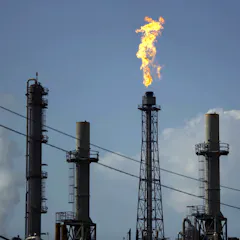
An economist and an environmental law expert explain why a tax is more palatable to the industry and better for the public than regulation.
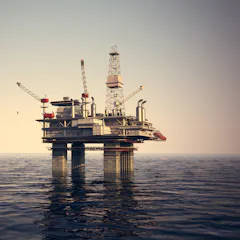
Decommissioning offshore structures is expensive and environmentally damaging – so why is it illegal to leave them where they are?
Oversight over how Ghana’s oil wealth is spent has become more important than ever.

The assassination of the Iranian general could have lasting effects on energy markets. Which countries could benefit from it and which could be negatively affected?

From May 2, any countries buying oil from Iran can expect US sanctions.

The world’s most oil-abundant nation is heading for energy consumption levels not seen since the 1990s.
It’s too soon for South Africa to start counting its chickens over the recent offshore gas find by global energy giant Total.
Drivers buy less gas when filling the tank burns holes in their wallets.

The oil-exporting organization may have mustered the political will to cut production, but its disunity remains intact.

One big problem with plastics is that they’re largely made of petroleum. Sourcing bio-polymers from plants and bacteria has some big benefits – and the technology is starting to take off.

Australia depends on imported fuel to keep running. We never got around to setting up an official reserve, and that means we’re already at risk.

It may be just as well the UK government scrapped its previous carbon capture competition.
Top contributors
-

Visiting Adjunct Professor, African Energy Leadership Centre, Wits Business School, University of the Witwatersrand
-
Distinguished Professor of History and Environmental Studies, Penn State
-
Honorary Senior Lecturer in Chemical Engineering, University of Aberdeen
-
Research Fellow, The University of Queensland
-
Ghana National Petroleum Corporation (GNPC) Professorial Chair in Oil and Gas Economics and Management, University of Cape Coast
-
Lecturer in International Studies, University of Washington
-
Honorary Fellow, The University of Queensland
-
Postdoctoral Fellow, Center for Presidential History, Southern Methodist University
-
Associate Professor, Adelaide Law School, Adelaide University
-
Senior Lecturer in Security Studies, Macquarie University
-
Lecturer in International Political Economy, Newcastle University
-
Founder & CEO, The University of Western Australia
-
Associate Professor of English, State University of New York Oswego
-
Postdoctoral Researcher in Bioenergy, National Renewable Energy Laboratory
-
Research Fellow, Curtin University