

Suicide, alcohol, drugs: “deaths of despair” have been eroding American life expectancy for the past twenty years and Europe has not been entirely spared by the phenomenon.
Articles on Overdose
Displaying 1 - 20 of 74 articles
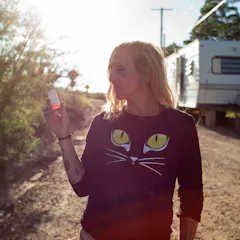
Despite acquiring more than one-third of US methadone clinics, private equity has not significantly expanded methadone availability.
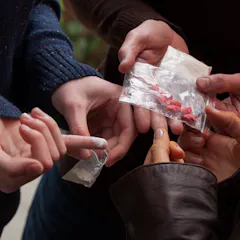
In November, Colorado voters will decide whether to further criminalize the use of illicit fentanyl.

When people travel out of state for addiction treatment, overdose risk is greater than many realize.

For the first time, people aged 50–59 years make up the highest proportion of unintentional drug overdose deaths. But these aren’t just from illicit drugs.

Nearly 1,500 healthcare professionals completed the training in hospitals, birth centers and community organizations across the state.

Naloxone is a safe and effective medication used to reverse the effects of an opioid overdose. It can be administered to dogs in either the nasal spray or injection formulations.

The opioid reversal drug is distributed directly to new moms at many of Colorado’s birthing hospitals.

Chatter in social media communities sheds light on a hidden population of substance users.

Veterinary drug medetomidine spreads through illicit opioid supply.
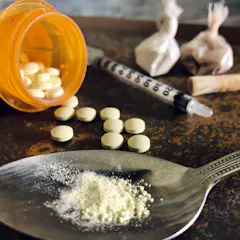
In recent years, the majority of stimulant-related overdose deaths have also involved fentanyl or other synthetic opioids.
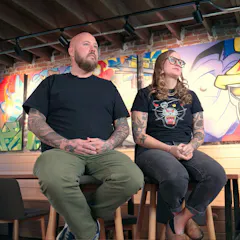
Workplaces across the country are becoming safe and supportive places for people with substance use issues.
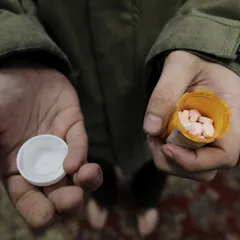
Doctors had believed that going over the maximum dose of one lifesaving drug could lead to more abuse. But after patients improved with one more pill, they convinced the FDA to change its guidelines.

Doses of GHB have a very small margin of error. Just half a millilitre too much can lead to an overdose.
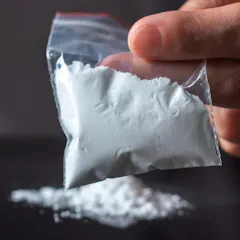
Accidentally taking heroin when you thought it was cocaine or methamphetamine can be deadly, new research confirms. Here’s what to watch out for.

The Thistle drug room in Glasgow could help fill some important gaps in knowledge about the benefits of these facilities.

The average life expectancy was just 46 for those who’d accessed homelessness services in the year leading up their death.

Alberta’s controversial approach to the opioid crisis rejects harm reduction, including supervised consumption sites. Despite recent UCP claims that the program is working, more evidence is needed.
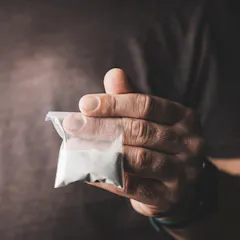
Cocaine and other illicit drugs have been found to be contain nitazenes, a dangerous class of synthetic opioids.

The toxic drug crisis is not only about fatalities. A much larger number of people survive overdoses, and are left with brain injuries. A national strategy to support and treat them is crucial.
Top contributors
-

Adjunct Professor at the National Drug Research Institute (Melbourne based), Curtin University
-
Honorary Fellow, Department of Health Sciences, University of York
-
Professor of Pharmaceutical Chemistry, Macquarie University
-
Emeritus Professor of Neuropharmacology, University of Lancashire
-
Associate Professor, National Drug Research Institute / enAble Institute, Curtin University
-
PhD Candidate, School of Nursing, University of British Columbia
-
Professor of Emergency Medicine, UMass Chan Medical School
-
Postdoctoral research associate, University of Sydney
-
Professor at the National Drug & Alcohol Research Centre, UNSW
-
Senior Research Fellow, School of Health and Life Sciences, Glasgow Caledonian University
-
Palliative Medicine Physician, Senior Research Fellow, The University of Melbourne
-
Research Scientist, BC Centre on Substance Use and Assistant Professor, Department of Sociology, University of British Columbia
-
Medicinal Chemist, UNSW
-
Munk Global Journalism Fellow, University of Toronto
-
Addiction Psychiatrist, Associate Professor, Monash University