
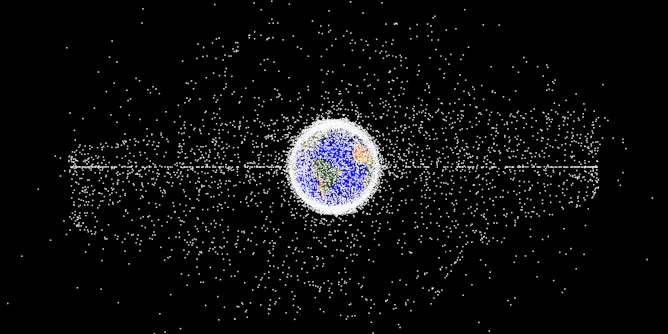
Orbital data centre proposals involve thousands of satellites, each one twice the size of the International Space Station.
Articles on orbital debris
Displaying all articles
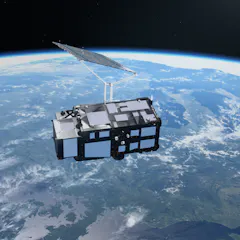
Orbital space management organizations could help ensure that future generations live with stars above their heads, rather than constellations of debris.

If SpaceX launches one million new satellites, it will increase atmospheric pollution and risk of falling debris. And we will see more satellites than stars.
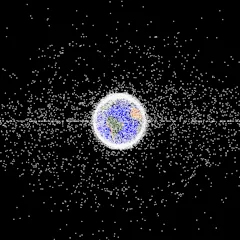
Earth’s orbits are getting more and more crowded. To keep track of everything and avoid collisions and catastrophes, we need a new field: space domain awareness.
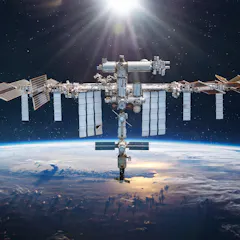
How will they bring the structure back safely? And where will the surviving components crash?
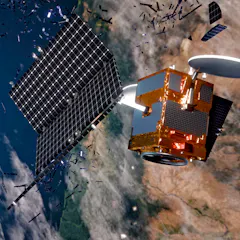
Russia destroyed one of its old satellites during a successful test of an anti-satellite weapon. A space security expert explains what this weapon was and the dangers of the expanding debris field.
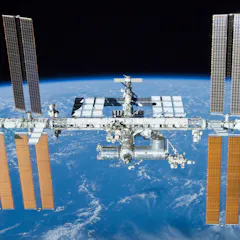
A close call for the International Space Station highlights the growing problem of space junk putting satellites at risk.

SpaceX’s satellites will populate the night sky, affecting how we observe the stars. And this is just the beginning of private satellite mega-constellations.
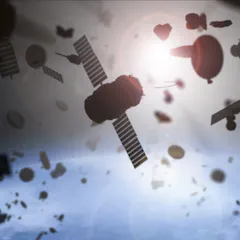
There needs to be an international approach regarding the management and disposal of space junk.
Top contributors
-

Associate Professor, Astronomy, University of Regina
-
Associate professor, University of Southern Queensland
-
Associate Professor, RMIT University
-
Adjunct Research Fellow, University of Southern Queensland
-
Professor, Canada Research Chair in Space Robotics and Space Technology, Carleton University
-
Associate Dean of Innovation and Engagement, Swinburne University of Technology
-
Professor, Swinburne University of Technology
-
Professor (Physics), University of Southern Queensland
-
Professor, Physics and Astronomy, University of British Columbia
-
Associate Professor, Physical and Environmental Sciences, University of Toronto
-
Professor, Geography Department and School of Public Policy & Global Affairs, University of British Columbia
-
Director & Professor, Fisheries Economics Research Unit, University of British Columbia
-
Professor of Strategy and Security Studies, Air University