
Teenagers may think that misinformation is limited to certain kinds of content.
Articles on Online safety
Displaying 21 - 40 of 112 articles
What happens next when your data is leaked in a data breach like the one at Qantas? Cyber criminals have creative ways to get what they want.
The digital world can be a vital space of empowerment and connection for children with special educational needs and disabilities.
Before December search engines such as Google will need to implement several other measures aimed at protecting children online.

Draft rules to restrict ‘age-inappropriate content’ may also affect essential information about sex and sexual health.

Kids who play Roblox games describe ‘scary’ virtual currencies and ‘cash grab’ random rewards.
Teenagers become far less likely to speak to parents about online concerns and turn to their peers instead.

Even if the new safety codes are approved, kids could still access online porn and deepfake apps because of flawed age assurance technology.

If you are a parent of a school student, you may have received a form seeking permission to use your child’s image on school social media accounts. Should you sign?

Research suggests trusted sources of safety advice are not reaching women.
As Canada’s Online Harms Act is being debated, MPs may look to other countries, like Australia, for guidance on protecting youth from online harms.
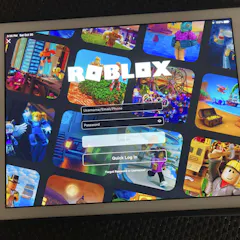
Roblox has just made some changes to its wildly popular gaming platform that could actually make it safer and better for kids.
There are a few simple steps you can take to make sure your child’s smartphone use is beneficial and safe.

Many parents will use strategies to minimise potential privacy risks, such as by blurring their children’s faces in online posts. But is that enough?
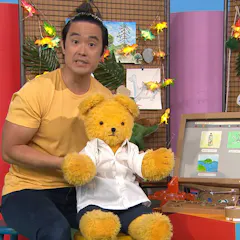
Research on children’s safety online stresses the importance of parents involving kids in family screen use and explaining what is happening.

The new proposal is aligned with approaches in the European Union and United Kingdom – and overcomes the flaws of banning people under 16 from social media.
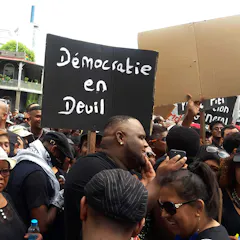
There’s been a gradual erosion of democratic rights and liberties in the island of Mauritius.
Digital immersion has many benefits – and plenty of pitfalls, too.
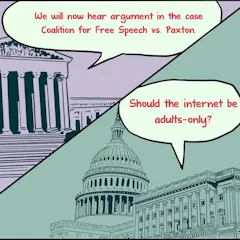
Kids face risks online, but whether and how the law can protect them is a thorny issue.

Our research found high rates of tech-based abuse – so our team is designing a new AI tool to detect and document toxic comments.
Top contributors
-

Professor of Information Sciences & Director, Social Change Enabling Impact Platform, RMIT University
-
Professor of IT Ethics and Digital Rights, Bournemouth University
-
Researcher, Digital Wellbeing, Western Sydney University
-
Sexologist & Lecturer and Research Fellow in Communications & Culture, Edith Cowan University
-
Professor in Human-Computer Interaction, ARC Future Fellow, University of Sydney
-
Professor of Cyber Security Practice, Edith Cowan University
-
Adjunct Associate Professor, School of Law; Academic Co-Lead, CSAM Deterrence Centre, University of Tasmania
-
Professor of Media and Communication and Chief Investigator, ARC Centre of Excellence for Automated Decision-Making + Society, Swinburne University of Technology
-
Associate Professor Digital Technologies for Learning | ARC DECRA Fellow, University of Wollongong
-
Professor of Cybersecurity, School of Computing and Information Systems, The University of Melbourne
-
PhD candidate researching children's play in digital games, The University of Melbourne
-
Senior Lecturer in Digital Technologies for Learning, University of Wollongong
-
Lecturer, Monash University
-
Associate Professor, School of Behavioural and Health Sciences, Australian Catholic University
-
Docteur en sciences de l'information et de la communication, chercheur associé laboratoire DICEN Ile de France, Université Gustave Eiffel