

Seagrasses are often overlooked, but they are among the most important coastal habitats on Earth.
Articles on New research
Displaying 81 - 100 of 852 articles
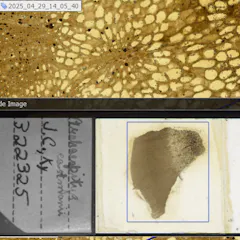
Pollen, algae, insects, radiolarians – each unique microfossil holds clues to how Earth has changed over millions of years. Combining AI with digital scanners helps researchers piece it all together.
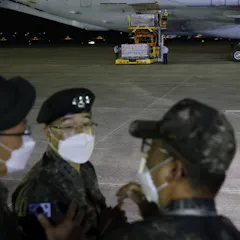
A study found that South Koreans who received donated US vaccines during the COVID-19 pandemic were more in favor of their government giving to other nations.

This needs to be viewed as a global problem, not a series of separate incidents to be managed in isolation by governments.
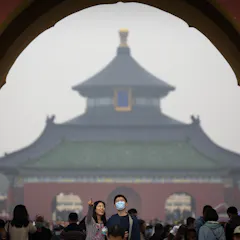
The days of rapid economic growth are long gone. New analysis helps explain what has changed.

In two online surveys, researchers found that Americans’ concern for future generations is often underestimated.

Online gaming acts as a powerful space of empowerment for people with disability.
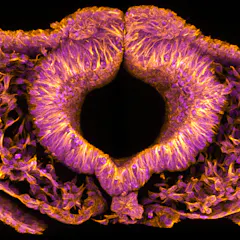
A fluorescent embryo allows scientists to watch living cells organise themselves in real time, revealing processes previously impossible to observe.

The gain isn’t huge, but it’s a notable improvement – similar to what people experience when they start exercising more.
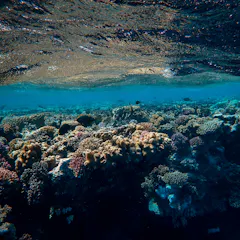
Connectivity isn’t a nice-to-have for coral reefs – it’s their lifeline. And now scientists know which reefs serve as vital ‘stepping stones’ for coral larvae.

Surveys about religion often ask a single question about how often people go to services. That means researchers miss an important piece of the puzzle.
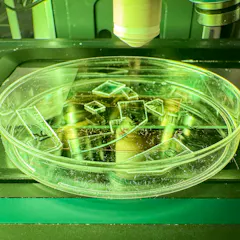
The textured acrylic plastic surface, inspired by insect wings, could help prevent the spread of major viruses.
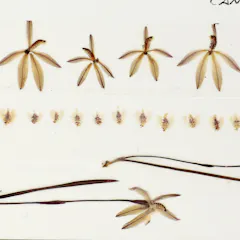
Orchids aren’t just beautiful or rare – they’re ecological time capsules that offer clues to the long-term health of ecosystems.

After the main Namibian party started alternating candidates between men and women, female representation in the National Assembly nearly doubled.
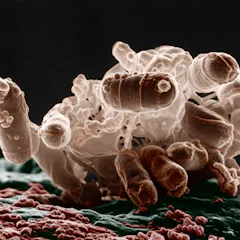
Bacteria don’t quietly die when exposed to antibiotics – they actively respond in ways that in turn change how your body responds to infection.

Atomic clocks undergird modern timekeeping. A nuclear clock could be even more precise.

More than a hundred years after it was found in Foul Air Cave in Victoria, the fossil is granting us new insights into deep time.
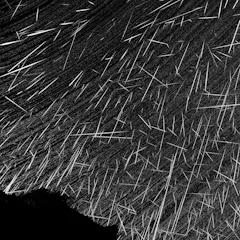
A newly identified meteor shower reveals that intense heat is fragmenting a previously unknown asteroid as it passes too close to the Sun.
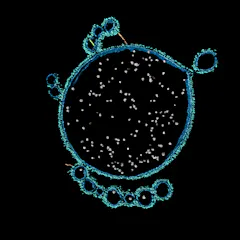
Stromatolites might look like rocks. But they are living relics of ancient systems that thrived on Earth billions of years ago.
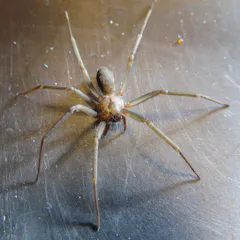
Not all spider venoms are created equal. Some are harmless to people, while others can be quite dangerous.
Top contributors
-

Professor of Health Economics, The University of Melbourne
-
Director, Institute for Social and Health Equity, University at Albany, State University of New York
-
Senior Research Fellow, Melbourne Institute of Applied Economic and Social Research, The University of Melbourne
-
Distinguished Professor of Pharmacy Practice, University of Connecticut
-
Professor of Gerontology, UMass Boston
-
Professor of Economics and Education Policy, New York University
-
Assistant Professor of Philanthropic Studies, Indiana University
-
Assistant Professor of Educational Psychology, The University of Texas at San Antonio
-
Assistant Professor of Psychology, University of Pittsburgh
-
Associate Professor of Marketing, Wayne State University
-
Ben L. Fryrear Chair in Marketing and Associate Professor of Business Administration, University of Pittsburgh
-
Principal Research Fellow, Australian Research Centre in Sex, Health and Society, La Trobe University
-
Professor, Department of Archaeology and Palaeoanthropology, University of New England
-
Senior Research Fellow and Lecturer of Gerontology, UMass Boston
-
Associate Professor of Education, University of Southern California