
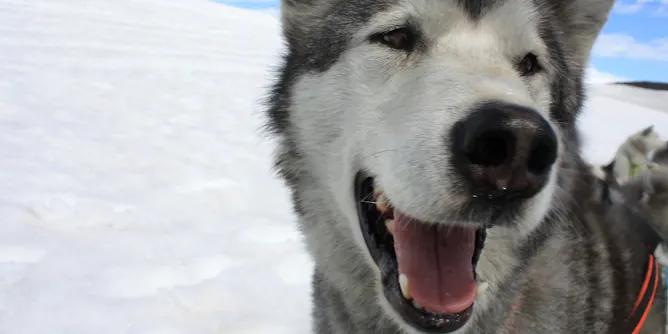
America’s early dogs are all gone – save for their rather nasty cancer.
Articles on Natural history
Displaying 41 - 58 of 58 articles
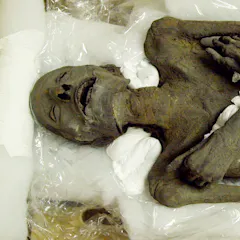
Are DNA samples today’s version of the human skeletons that hung in 20th-century natural history museums? They can provide genetic revelations about our species’ history – but at an ethical price.
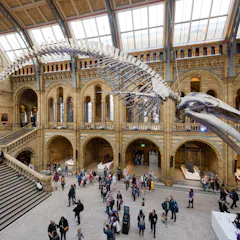
Museums are not apolitical, and they are not entirely scientific. As such, they don’t really represent reality.
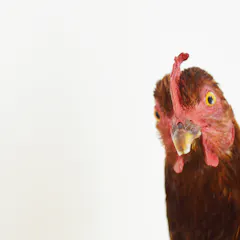
Dogs, rats, cats, cows, chickens and mice have also changed the world.
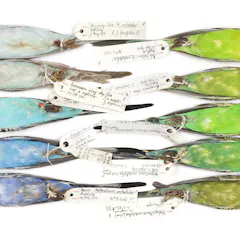
The way humans see and engage with the natural world is anything but natural.
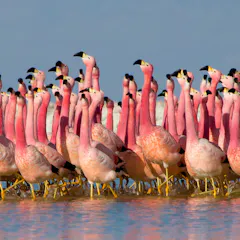
How and why these bizarre stars of Planet Earth II ended up living in icy lakes high in the Andes mountains.
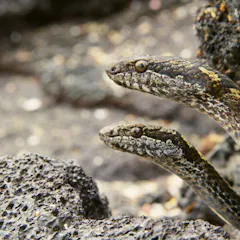
TV audiences cheered on the iguanas’ escape, but won’t somebody think of the poor snakes?
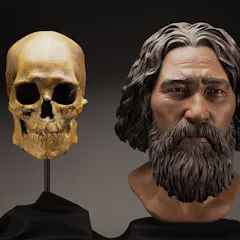
A 9,000-year-old skeleton became a high-profile and highly contested case for the Native American Graves Protection and Repatriation Act. How do we respectfully deal with ancient human remains?
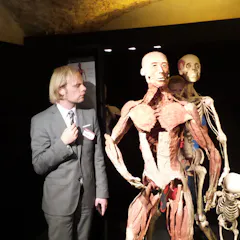
You don’t have to be a physician or anatomist to be curious about how bodies work. Exhibits of dead human specimens have been around for quite a while – capitalizing on our fascination with death.

Forget the pith helmet and butterfly net. Discovering biodiversity now is much more about metagenomics and the 0’s and 1’s of digital databases.

Viewing human migration through the lens of natural history makes one thing clear: society needs to prepare for more migrations of people and the species we depend on.

The dead animal specimens that comprise natural history collections contribute a lot toward scientific understanding of their still-living counterparts – and those that have gone extinct.
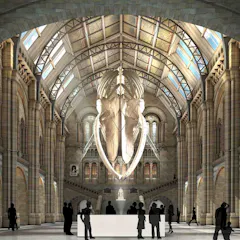
The Natural History Museum in London is replacing its skeleton of the long-necked dinosaur Diplodocus – an iconic denizen of the main entrance hall for nearly four decades – with a blue whale skeleton…
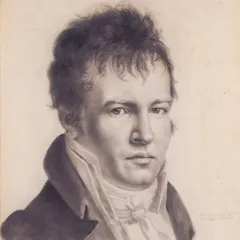
Alexander von Humboldt – sometimes called the last Renaissance man – was born in Berlin 250 years ago. His influence on science is still felt today.

Slow, lazy, stupid? It’s time to update your impression of the crocodilians. These animals are up to amazing things that we’re only beginning to observe and recognize.
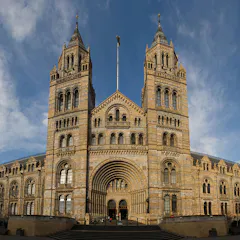
The phrase “Natural History” is linked in most people’s minds today with places that use the phrase: the various Natural History Museums, or television programmes narrated so evocatively by renowned naturalist…
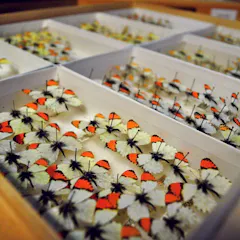
Natural history museum records are most often associated with preserved specimens, kept with information about the place and time of collection. From these we can generate a record of a species’ geographical…
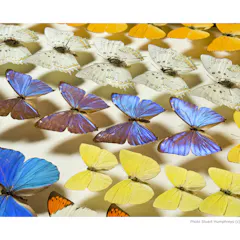
Natural history collections housed in museums and herbaria are generally not on display to the public – what visitors see represents only a tiny section of the wealth held behind locked doors. What use…
Top contributors
-

Assistant Director of the University Museum of Zoology, Cambridge, University of Cambridge
-
Professor of Evolutionary Biology and Science Engagement, University of East Anglia
-
Head of Department, Science and Technology Studies, UCL
-
Professor of History, UMass Amherst
-
Associate Research Professor of Anthropology, University of Colorado Denver
-
Senior Lecturer in Psychology, Centre for Research in Animal Behaviour, University of Exeter
-
Collection Manager of Entomology, Australian Museum
-
Postdoctoral Fellow, University of California, Davis
-
Reader in Paleobiology, Curator of Palaeontology, Sedgwick Museum of Earth Sciences, University of Cambridge
-
PhD Candidate in Biological Sciences, University of Cambridge
-
Chancellor's Fellow in Vertebrate Palaeontology, University of Edinburgh
-
Professor of Ecology, Evolution, and Behavior; Director, Institute on the Environment, University of Minnesota
-
Senior Collections Manager at McGuire Center for Lepidoptera & Biodiversity at Florida Museum of Natural History, University of Florida
-
Research Assistant Professor of Psychology, University of Tennessee
-
Professor of Paleontology and Director of the University of California Museum of Paleontology, University of California, Berkeley