
New research shows COVID-19 threw existing inequalities into sharp relief: well-funded institutions were able to move their projects online, while smaller galleries struggled.
Articles on Museums
Displaying 161 - 180 of 313 articles
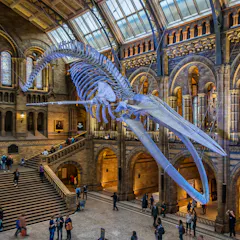
Emerging ‘mixed reality’ technology promises to bring history back to life.
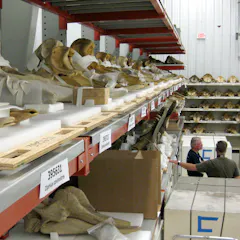
Specimen preservation means researchers don’t need to reinvent the wheel each time they ask a new question, making it critical for the advancement of science. But many specimens are discarded or lost.
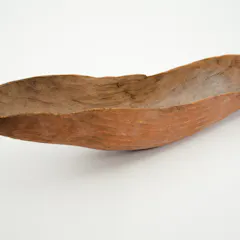
A spear-thrower, a shell, a bowl, a vase, a bucket. Five very different items tell us much about the history of collecting, the role of Indigenous experts and the shadow of colonial violence.
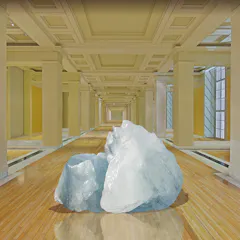
How museums can reimagine themselves in the context of the climate crisis.
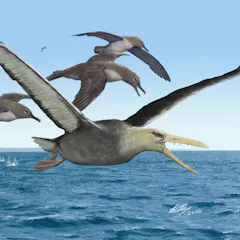
Paleontologists have discovered fossil remains belonging to an enormous ‘toothed’ bird that lived for a period of about 60 million years after dinosaurs.
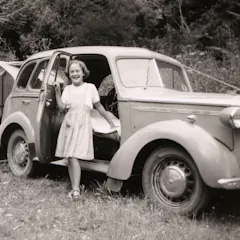
We surveyed 1461 Australians and discovered many are museum regulars — but it’s family history that has broad appeal.
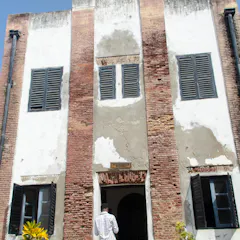
Ghana’s museums can improve visitor numbers by paying attention to customer satisfaction.
Microfossils offer up an array of information to scientists, like the time periods in which they lived and how environments have changed.
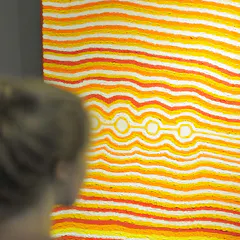
Too often in conversations about cultural centres, the incredible resources already available are neglected.The Berndt Museum, in Perth, is a collection of national and international significance.
Museums around the world have been grappling with the issue of diorama removal.
Understanding the different types of visitors and how they navigate museums can help these institutions reopen safely.
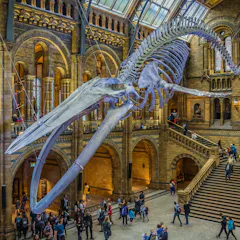
Cultural institutions are puzzling out to to make their buildings exciting and safe at the same time.
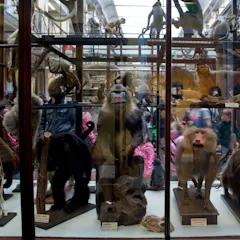
Genetic information that could help finger the next infectious threat is stored in museums around the world.
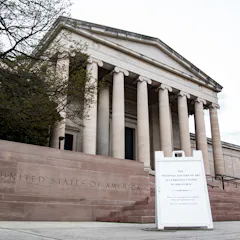
The COVID-19 pandemic has closed museums and cultural sites worldwide. Meanwhile, curators are already working hard to preserve the current moment so that future generations may understand it.
Tomanowos, aka the Willamette Meteorite, may be the world’s most interesting rock. Its story includes catastrophic ice age floods, theft of Native American cultural heritage and plenty of human folly.

Galleries and musuems are rapidly moving online in response to social distancing measures, but the digital divide means regional and remote organisations could be left behind.
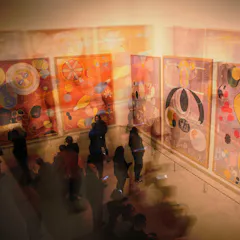
COVID-19 is dragging some arts institutions into the 21st century. Others are already well down this path. What we win and lose when culture goes online and a bunch of links you can enjoy today.
Active learning brings new knowledge to children and to their community.
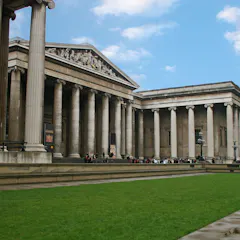
The government must respect the arm’s-length principle which ensures institutions like the British Museum are independent from government control.
Top contributors
-

Professor of Public Humanities and Director of the ANU Humanities Research Centre, Australian National University
-
Assistant Director of the University Museum of Zoology, Cambridge, University of Cambridge
-
Ruth Coulter Heede Professor of Art History, Case Western Reserve University
-
Honorary Professor, Edith Cowan University
-
Professeur de Marketing, EDHEC Business School
-
Associate Research Professor of Anthropology, University of Colorado Denver
-
Lecturer, The University of Queensland
-
Associate Professor in Ancient History; Director, Australian Centre for Ancient Numismatic Studies, Macquarie University
-
Eminent Scholar and Professor of Economics Emeritus, Auburn University
-
Postdoctoral research fellow, RMIT University
-
Director, Centre for Cultural Materials Conservation, The University of Melbourne
-
Lecturer, University of Glasgow; University of Nigeria
-
Lecturer in School of Art History and Art Education, UNSW
-
Senior Lecturer School of Art History and Art Education, UNSW
-
Senior Curator of Australian and First Nations Art, National Gallery of Victoria, The University of Melbourne