
Whether someone is menstruating is none of your business. Even inquiring about it reinforces attitudes and assumptions that hold women back.
Articles on Menstruation
Displaying 101 - 120 of 159 articles
In the run up to World Hemophilia Day, a clinician scientists shares what women need to know about heavy menstruation and bleeding disorders.

Chhaupadi, the practice of exiling menstruating women and girls from their home, often to a cow shed, is still practised in some areas of Western Nepal.

Having a ‘period’ on the pill is far from necessary.
Studies show oestrogen protects against depression and psychotic symptoms. So falls in the hormone, as happens before menstruation, can lead to depressive and other symptoms of mental illness.

Adenomyosis is a different condition to endometriosis, though many women who have one will have the other.

Art can be a powerful means to confront and subvert stigma around menstruation.
Scotland’s commitment to providing all students with free monthly supplies is showing the world how period poverty can be tackled.
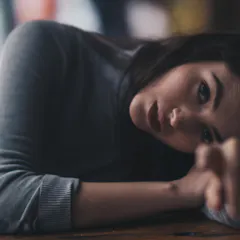
Endometriosis can cause a number of severe symptoms, including period pain. But painful periods alone aren’t a surefire indicator of endometriosis. Here’s what else to look out for.

Men spend, on average, around 60 seconds in a toilet, while women spend 90. This is for many reasons, including biology. This leads to a bottleneck that keeps women waiting around to use the loo.
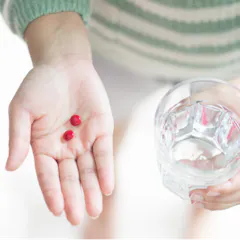
Iron deficiency anaemia is an under-recognised condition, but one that can have serious health consequences.
There are more than 30 different types of contraceptive pills. But brand names such as Microgynon, Levlen, Yaz and Brenda give little indication of the ingredients, dose or who should use them.

The Scottish club’s move to support women’s struggles with menstruation and sport is the first of its kind.
Women on the pill are able to manipulate or suppress their menstrual cycles to have fewer “periods”, or to avoid bleeding at important or inconvenient times.
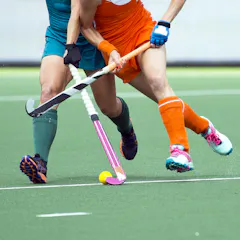
New research with elite sportswomen found half use hormonal contraceptives.
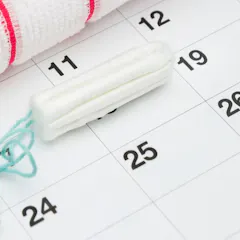
Companies should abide by a set of principles in their engagement in schools to ensure they provide accurate and positive portrayals of menstruation.
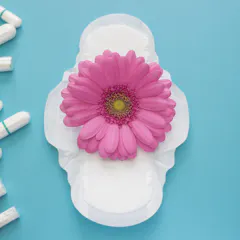
Period product brands may appear all ‘woke’ and taboo busting, but we shouldn’t forget they helped create the taboos in the first place.
The first step is to take an iron supplement to give your iron stores an immediate boost, then you want to investigate the cause and possibly work on your diet.
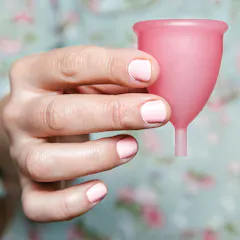
Be it because of concerns over big femcare, landfill, cost, toxic ingredients or toxic shock syndrome, some menstruators seek solutions outside of the Kotex box. These are those choices.
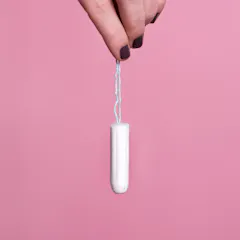
A charity claims that to remove shame and stigma around menstruation, both boys and girls should be taught about periods at school.
Top contributors
-

Associate Professor at NICM Health Research Institute, Western Sydney University
-
Senior Lecturer, The University of Melbourne
-
Associate Professor of Sociomedical Sciences, Columbia University Mailman School of Public Health
-
Senior Lecturer, School of Business, Western Sydney University
-
Reader in Gender Studies, Liverpool John Moores University
-
Visiting Fellow in Menstrual Physiology, King's College London
-
Associate Professor in Physiology, School of Health, University of the Sunshine Coast
-
Associate Professor, York University, Canada
-
Professor of Adolescent Health, Co-Head of the General Practice Clinical School, University of Sydney
-
Professor of Women's Health Psychology, Translational Health Research Institute (THRI), Western Sydney University
-
Research Fellow, University of Aberdeen
-
Associate Professor in Public Health, The University of Queensland
-
Professor Emerita, Classical Studies, The Open University
-
Professor of Psychiatry, Monash University
-
Professor of Life Course Epidemiology, Faculty of Medicine, The University of Queensland