

Cannibalism has been documented across Western Europe, from prehistory into the 1800s.
Articles on Medicine
Displaying 41 - 60 of 338 articles
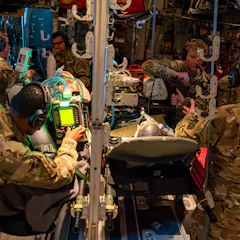
How much oxygen does the military need for wounded soldiers? Turns out not much. Military-civilian research is paving the way for new developments.

From nausea and vomiting to brain swelling and erection problems. These are just some of the side effects of melanotan-II.
We can already tinker with human DNA to treat diseases. But being able to edit RNA allows for even more precision – and fewer risks.

Male sufferers are often met with a lack of empathy, or just ignored completely.

Too often, prescribing errors occur due to programming errors or poor design and have less to do with the health workers using the system.
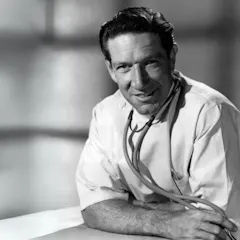
Groundbreaking series Medic helped shape both the TV medical drama and the image of the medical profession. 70 years later, it may still have things to tell us.
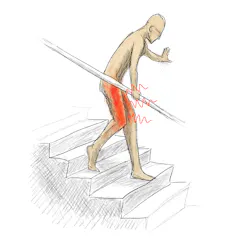
So you’ve taken up running again… until the inevitable aches kick in. What causes muscle pain? And is there anything you can do about it?
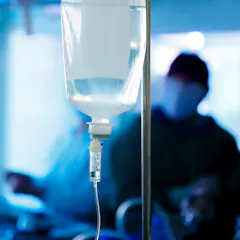
Some IV fluids are in short supply due to higher-than-expected demand and manufacturing issues. But why do IV fluids contain different chemicals? And why can’t they be interchanged when one runs low?

The Associate Health Minister’s letter of expectations for Pharmac includes things that could fundamentally alter its core objective of getting the best health outcomes within its budget.

In the majority of cases, medications help patients. But even when treatment of individual illnesses is effective, treatment as a whole can become problematic.

New research finds a link between childhood trauma and a reduced engagement with healthcare services later in life.

Australia is recruiting more overseas-trained doctors to fill doctor shortages. But when a high-income country like Australia does this, we risk causing a ‘brain drain’ elsewhere.
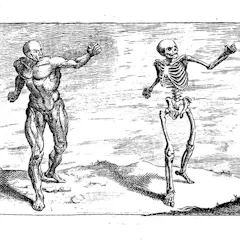
Changes to medical terminology in Latin may affect how anatomists not trained in the language understand and communicate information.
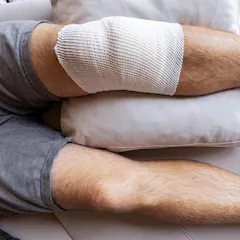
Here are some steps you can take to use opioids more safely and effectively at home.
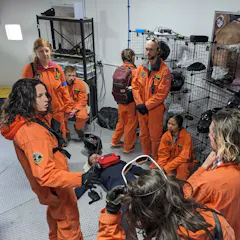
Future space missions will fly farther and longer than ever before – which means crew members may need more involved medical care in space.

Science has a need to verify results, but DeepMind’s protein prediction tool doesn’t work this way.
Genomic research stands to help develop new medical treatments – and we need donations of lots of data for this to work. But people don’t want data on their genes to be exploited for profit.

If you want to know more about a drug, Health Canada provides information online through several websites. However, some information appears to be getting harder to find.

Stopping cells from dividing into new cells is one way to fight cancer. This is how the drug abemaciclib works.
Top contributors
-

Professor of Pharmaceutical Chemistry, Macquarie University
-
Emeritus Robert Reford Professor and Professor of Medicine, McGill University
-
Assistant Professor of Neonatology, University of Alabama at Birmingham
-
Lecturer Pharmacy Practice, University of Sydney
-
Professor of Microbiology and Immunology, Indiana University
-
Associate professor, Department of Family and Community Medicine, University of Toronto; York University, Canada; University of Sydney
-
Professor of Health Law and Bioethics, Case Western Reserve University
-
Distinguished Professor of Otolaryngology-Head and Neck Surgery, University of California, San Francisco
-
Chief, Epithelial Therapeutics Unit, National Institute of Allergy and Infectious Diseases
-
Doctoral Student in Biochemistry, University of Washington
-
Assistant Professor of Obstetrics, Gynecology and Reproductive Biology, Harvard University
-
Professor of Medicine, University of Virginia
-
Honorary Enterprise Professor, School of Population and Global Health, and Department of General Practice and Primary Care, The University of Melbourne
-
Assistant Professor of History, University at Buffalo
-
SHARP Professor, Vitalities Lab, Centre for Social Research in Health and Social Policy Centre, and the ARC Centre of Excellence for Automated Decision-Making and Society, UNSW