

AI chatbots can provide mental health support for people who are isolated during the COVID-19 pandemic.
Articles on Loneliness
Displaying 141 - 160 of 246 articles
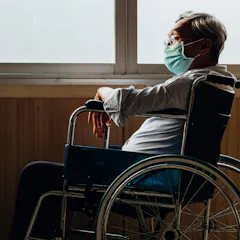
Across Europe, intensified loneliness is associated with a six- to ten-fold increase in worsened depressed mood, anxiety symptoms and sleep problems.

Lifestyle medicine targets the root of chronic diseases like obesity, heart disease and diabetes. Experts explain why everyone should embrace these free prescriptions for good health.
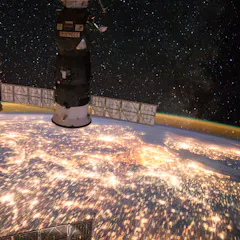
We can look to astronauts’ experiences for tips to improve our own situation during lockdown.
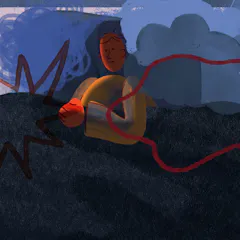
People who hear voices are six times more likely to feel lonely.

It’s draining and depressing to stay on high alert month after month after month. Understanding pandemic fatigue better might help you strengthen your resolve.

Recent findings from social neuroscience show us how we can make virtual interactions almost as beneficial as real world ones.

Lockdowns have a key role in controlling COVID-19 but we must be aware of the risks of isolating people who are vulnerable to suicidal distress.
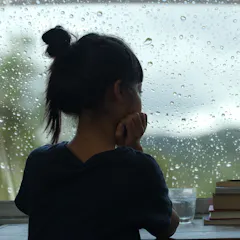
Some children are not socially engaging with their peers in the way they did before the pandemic. It’s understandable if parents are worried.

Many who are lonely will overlook their own emerging signs of loneliness in hope these feelings will go away once around other people.
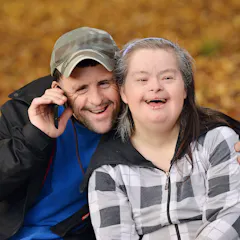
Even before the pandemic, disabled people reported feeling socially isolated and lonely. Their plight has only been exacerbated by responses to the COVID-19 pandemic.

Pluralism — the active process of inclusion — could reduce disparities in some of the most pressing health issues of our time.
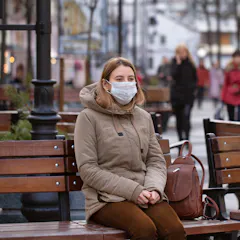
Humans are astonishingly flexible and resilient through times of crisis. We can find creative ways to connect with people while still reducing the immediate risk.

People are turning to quarantine bubbles as a way to see friends and family while limiting the risk from the coronavirus. Research shows that this can work, but it’s not easy to be in a quaranteam.

Even those of us spared the worst of COVID-19 are missing our favorite pastimes, places and people. But pleasure can also take unexpected new forms in a pandemic.
Emotions and feelings can be thought of as judgments: considered responses to what is happening.
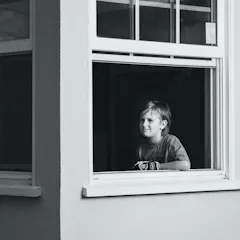
A survey conducted in early April reveals that, even in lockdown, fewer than 3% of people were feeling only negative emotions.
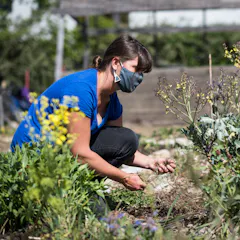
What drives people to garden isn’t the fear of hunger so much as hunger for physical contact – and a longing to engage in work that is real.
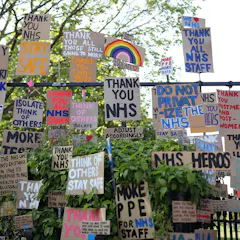
Amid emotional devastation and uncertainty, coronavirus is providing the potential for more connectedness, and for radically changing the meanings of community itself.
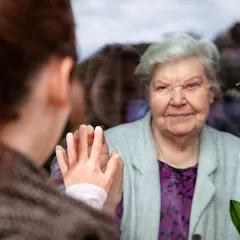
Anxiety and loneliness affect many people at the best of times. The pandemic-induced isolation and stress won’t be helping, but cities can do many things to improve the ‘emotional climate’.
Top contributors
-

Associate Professor, Sydney School of Public Health, University of Sydney
-
Assistant Professor in Health Sciences, Simon Fraser University
-
Senior Research Fellow, Matilda Centre for Research in Mental Health and Substance Use, University of Sydney
-
Professor Applied Social and Policy Research; Director, Centre for Loneliness Studies, Sheffield Hallam University
-
Professor, Academy of Geography, Sociology and International Studies, Hong Kong Baptist University
-
Professor of English, University of Connecticut
-
Professor of Gerontology and Public Health, Brunel University of London
-
Professor & Director, Hub for Apple Platform Innovation (HAPI), School of Computing Technologies, RMIT University
-
Reader in Education with Psychology and Centre for Death and Society, University of Bath
-
Associate Professor, Social & Behavioural Health Sciences, Dalla Lana School of Public Health, University of Toronto
-
Professor of Urban Health and Environment, UNSW
-
Professor in Modern History and UKRI Future Leaders Fellow, King's College London
-
Lecturer in Sociology, Deputy Director of the Centre for Ageing and the Life Course, University of Liverpool
-
Professor of Cities and Planetary Health, ARC Future Fellow in nature-based solutions for loneliness, University of Sydney
-
Associate Professor of Psychology and Inclusion, University of Bristol