

You may feel lonely even with strong friendships if you lack deeper connection, shared identity or a sense of community. It doesn’t mean you’re ungrateful.
Articles on Health effects of loneliness
Displaying 1 - 20 of 23 articles

We found physical isolation, represented by the number of lockdown days, did not significantly affect loneliness.
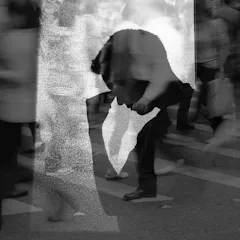
Autistic people are not only more likely to feel lonely but are also more likely to experience it more acutely than non-autistic people according to new research.

For people who feel lonely, a trip to the supermarket could help – if only the store provided opportunities to chat at the checkout. A Dutch chain has done just that, and customers and staff love it.
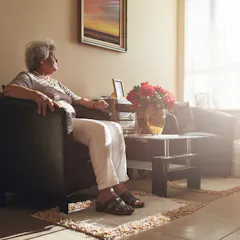
A systematic review of thousands of studies around the world has found many aspects of our cities affect loneliness. But people’s relationship with their environment is complex and highly individual.
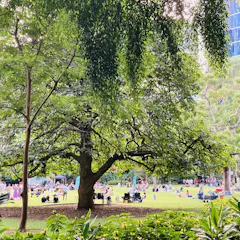
When the pandemic hit, green space was there for us at a time when others weren’t or couldn’t be. Urban greening might be the solution to the ‘lonelygenic environment’ that our cities have created.

A white paper launched today reveals four actions governments, researchers and policymakers can take to combat loneliness.
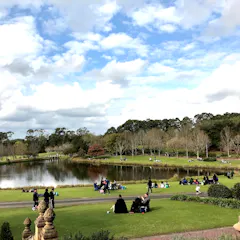
For the areas of cities with less than 10% green space, increasing that to 30% could cut the overall odds of residents becoming lonely by a quarter.

Many who are lonely will overlook their own emerging signs of loneliness in hope these feelings will go away once around other people.

Loneliness is a bigger cause of death than a poor diet, obesity, alcohol consumption, and lack of exercise, and it’s on a par with heavy smoking. So let’s get talking about it.

Simple policies, such as the free bus pass for older adults, not only reduce loneliness but also help older people maintain cognitive function.
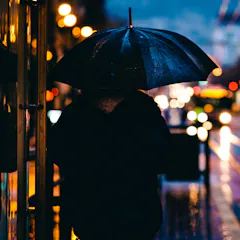
Loneliness is often triggered by significant life events, and young people have these in abundance. But the solution isn’t as simple as joining a group or trying harder to make friends.

Increasing numbers of older Australians don’t own their homes. Whether they are private renters or live in social housing can make a big difference to their risk of loneliness and anxiety.

By trying to tackle just the health impact of loneliness, scientists risk ignoring the underlying causes.
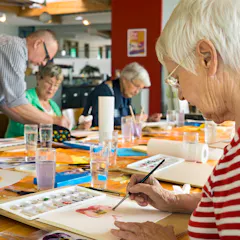
As part of a new strategy to combat loneliness GPs will be able to prescribe social activities. But is this ethical?

Half of Australians feel lonely for at least one day a week, while one in four feel lonely for three or more days. This can impact on sleep, heart health and levels of anxiety.

The condition is nothing short of a public health emergency.
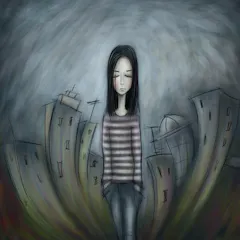
Both young and old can feel like they don’t belong. But loneliness is a social problem, with a social solution.

Trust Me, I’m an Expert: Risk
CC BY45.3 MB (download)
This month, we're talking risk. Three experts give their perspective on how long you might live, how to deal with loneliness – and how to step outside your comfort zone.
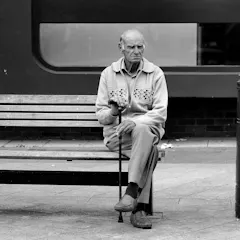
Older people are less lonely than we think, but more importantly loneliness is something they face all year round – not just at Christmas.
Top contributors
-

Associate Professor, Sydney School of Public Health, University of Sydney
-
Professor of Gerontology and Public Health, Brunel University of London
-
Professor of Urban Health and Environment, UNSW
-
Professor of Cities and Planetary Health, ARC Future Fellow in nature-based solutions for loneliness, University of Sydney
-
Senior Research Fellow, Matilda Centre for Research in Mental Health and Substance Use, University of Sydney
-
Research assistant and policy analyst, University of Huddersfield
-
Professor Applied Social and Policy Research; Director, Centre for Loneliness Studies, Sheffield Hallam University
-
Assistant Professor, Management, Concordia University
-
Assistant Clinical Professor of Psychiatry, Columbia University
-
Lecturer in Psychology, Keele University
-
Professor and Clinical Psychologist, Australian National University
-
Lecturer in Political Theory, University of Otago
-
Professor of Psychology and ARC Laureate Fellow, The University of Queensland
-
Alan Morris is a Friend of The Conversation.
Professor, Institute for Public Policy and Governance, University of Technology Sydney
-
Research Associate, University of Technology Sydney