
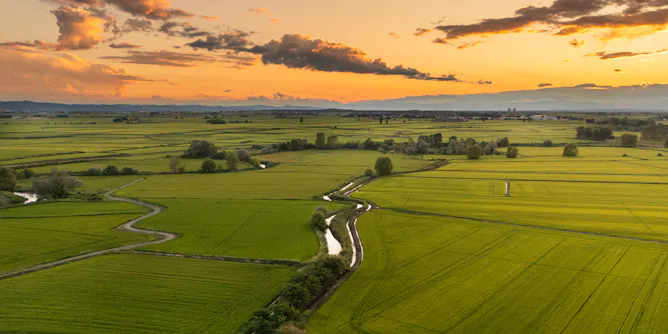
Ozempic, Wegovy and other drugs could have a significant effect on the environment. But medicine shouldn’t let an unhealthy and unsustainable food system off the hook.
Articles on Land use
Displaying 1 - 20 of 111 articles

How do we create better futures for animals who are kept locked up for our convenience? Consider Marineland, and how decisions about land use are made.
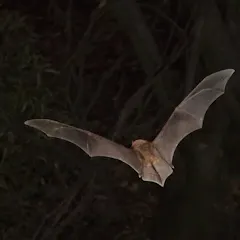
As the climate changes, bats will need both suitable foraging landscapes and caves for roosting.
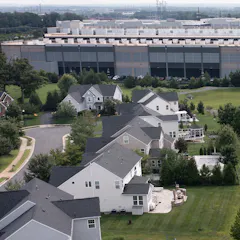
The people of northern Virginia have been living with data centers for many years. But even they are resisting new developments. And they have specific wishes for how to regulate them.
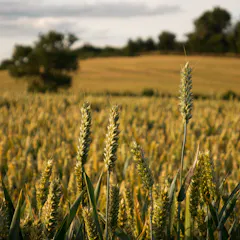
The amount of land occupied by a farming system does not necessarily reflect its importance to our food supply.

AI is often described as if it lives in the cloud. The persistent controversies regarding the Wonder Valley project in Alberta illustrate how false that is.
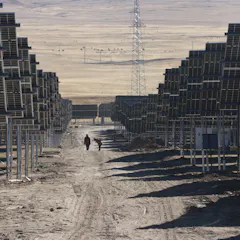
China’s national government policies on energy and economic development are changing pastoral life on the Tibetan Plateau.
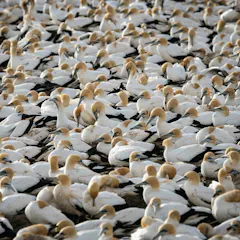
The use of artificial intelligence tools is among the top emerging issues in biodiversity conservation.
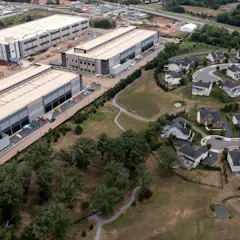
Even as they create and enable expansive virtual worlds, data centers are physical buildings in real communities around the nation and the globe.
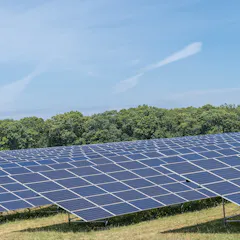
Generating solar power requires a lot of land – but which land should it be? And what else can be done on that land?
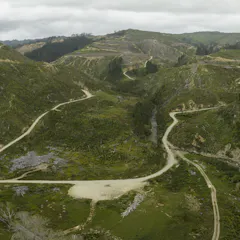
As an overhauled rulebook for commercial forestry comes into force, there are concerns it could weaken safeguards as climate risks intensify.

Urban design depends heavily on human judgment and field-based understanding.
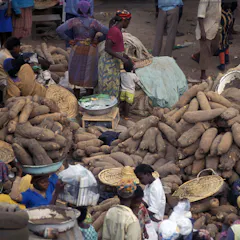
Communities affected by mining project delays live in a state of suspended time for three years.
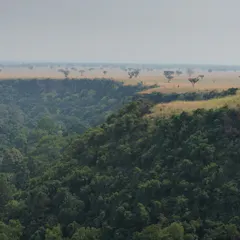
Carbon removal strategies may conflict with biodiversity conservation, but careful choices could bring benefits.
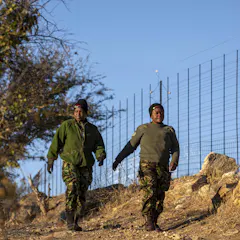
Nature reserve fences can protect wildlife and people, but they also break up natural landscapes, restrict animal movement, and affect nearby communities.
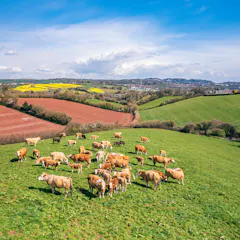
Emerging technologies such as lab-based meat could produce the same quality and quantity of protein on hundreds of times less land.
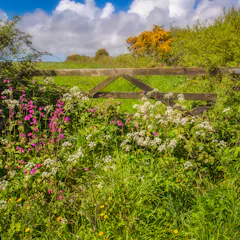
New study finds that plant biodiversity collapsed in landscapes where arable production was abandoned during and after the Black Death era.
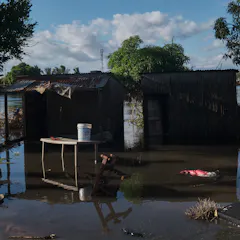
Flooding alters the environment in ways that favour malaria transmission.
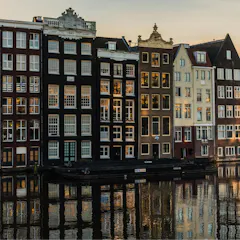
Australia shares many of the issues the European Commission’s plan tries to tackle, from lack of housing construction to taxation. Here’s are some lessons.

Competition for shea trees is rising in west Africa, leaving the poorest women collectors with less access and fewer gains.
Top contributors
-

Lecturer in Conservation, The University of Queensland
-
Professor in Conservation Science, School of the Environment, The University of Queensland
-
Research associate, The University of Melbourne
-
Oppenheimer-Jamma Research Chair in African Wildlife Economies, Stellenbosch University
-
Senior Lecturer in Chemical and Renewable Energy Engineering, University of Newcastle
-
Senior Research Fellow, School of Geography, Earth and Atmospheric Sciences, The University of Melbourne
-
Professor of International Planning, Centre for Urban Research, RMIT University
-
Research Scientist, CSIRO
-
Associate Professor, Centre for Sustainability Transitions, Stellenbosch University
-
Professor of Human Geography, The University of Queensland
-
Senior Lecturer in Urban and Environmental Planning, Griffith University
-
PhD Candidate, Doctor of Social Sciences, Royal Roads University
-
Associate Professor, Deakin University
-
Researcher in Conservation Decision Science and Land Use, University of Oxford
-
Associate Professor, Institute for Sustainable Futures, University of Technology Sydney