

A method for measuring the world’s crucial carbon sinks finds that the ocean’s so-far-increasing ability to help might taper off in the future.
Articles on Land
Displaying 1 - 20 of 61 articles
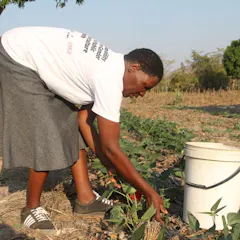
Households with certain assets can diversify into activities that produce higher incomes.
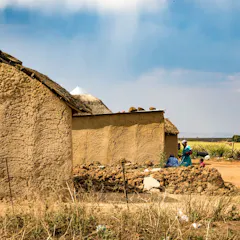
There is no single pathway from small-scale farming to improved livelihoods.
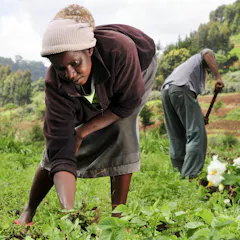
The increasing control of rural agricultural land by urban residents has implications for rural people and spaces.
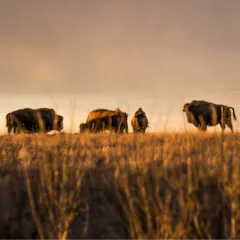
The official interpretation of Treaty 4 is historically contested. And if that interpretation is wrong, then Canada’s claim to “Crown land” and settler ownership rests on a deeply unstable foundation.
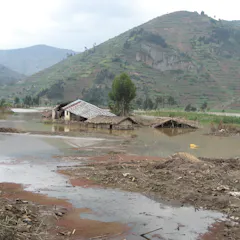
Africa is heavily dependent on agriculture. At this year’s COP30 conference, the continent needs to secure more funding to adapt land to climate disasters.
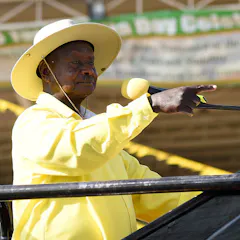
President Yoweri Museveni’s effort to stop evictions didn’t address underlying problems, but it enhanced his political legitimacy.
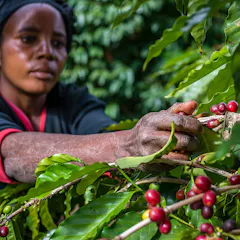
Land systems shape how foreign investment happens and what impact it has.

Across the US, heirs’ property laws hamstring families that want to build housing or leverage their land for loans. One Alabama project shows how policy reform and savvy design can build a way forward.
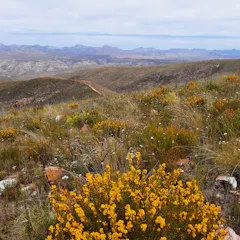
South Africa’s historical honeybush herbal tea farmers were dispossessed of their land during colonialism and apartheid. Steps must be taken to right this wrong.

In The Lie of the Land, Guy Shrubsole argues for expanding public ownership of the land.
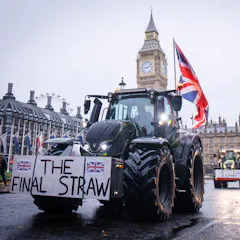
If British farms are less competitive then food production will simply shift elsewhere.
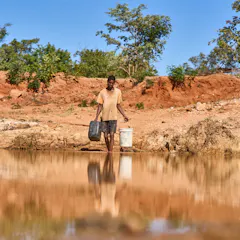
Climate change disrupts community stability, especially when it leads to food shortages and displacement. Governments must work with communities to set up policies to prevent this.

This playlist of podcast episodes invites listeners to engage in learning and unlearning; to acknowledge the tragic legacies of residential schools and to move beyond a single day of remembrance.
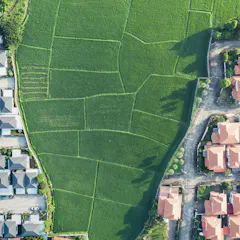
Targeted development, as the new UK government proposes, could be the best route forward

On a remote stretch of border between Timor-Leste and Indonesia, a dispute over a remote hamlet is stirring memories of conflict many hoped was behind them.

‘Indigenization’ across departments implies the need for consultation with local Indigenous communities and a shift towards all departments and faculty recognizing we work on Indigenous lands.
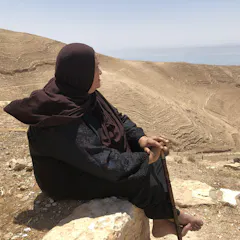
Modern settlers to Palestine viewed the desert as something they needed to “make bloom.” But it already was, thanks to the long history of Palestinian agricultural systems.
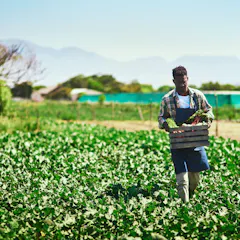
Financing is available to farmers. What’s in contention is whether what’s available helps farmers enter the industry, expand and grow.
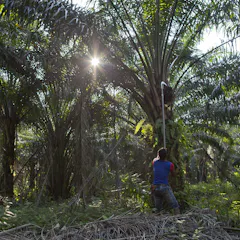
Palm oil is used in half the products sold in global supermarkets. Much of the oil comes from Indonesia where it is grown on plantations that are relatively inefficient, but occupy huge areas of land.
Top contributors
-

Assistant Professor, Faculty of Land and Food Systems, University of British Columbia
-
President, Food Secure Canada
-
Lecturer in Law, Lancaster University
-
Professor of Political Studies, University of Johannesburg
-
Associate Professor, Clark University
-
Professor of Soil Science, Purdue University
-
Acting Director of the Global Change Institute (GCI), University of the Witwatersrand, University of the Witwatersrand
-
Reader in Vertebrate Biology, Liverpool John Moores University
-
Cecil D. Andrus Endowed Chair for Environment and Public Lands and University Distinguished Professor, Boise State University
-
Assistant Professor, Georgia Institute of Technology
-
Soil Scientist, UK Centre for Ecology & Hydrology
-
Adjunct Fellow, School of Earth and Environmental Sciences, The University of Queensland
-
Professor, Institute for Poverty, Land and Agrarian Studies, University of the Western Cape
-
PhD graduate at the Department of Political Science; Senior Advisor: Higher Education, Stellenbosch University
-
GIS and Policy Analyst, Boise State University