
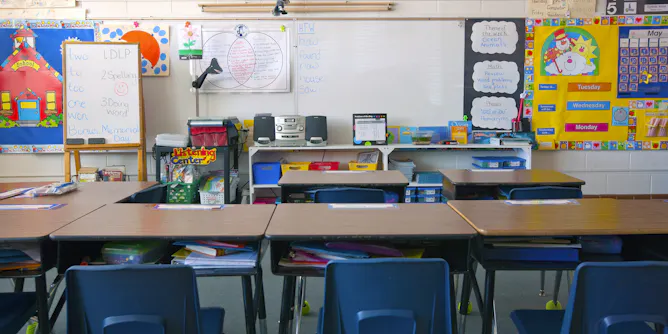
Political polarization and declining student test scores are two factors fueling people’s mistrust of schools.
Articles on K-12 schools
Displaying 1 - 20 of 76 articles

Offering daily recess to young children and teenagers alike can help strengthen students’ executive functioning skills, focus and creativity, among other benefits.
By some measures, schools are a great equalizer for children coming from different backgrounds. But this isn’t the full story.
A reorganization of civil rights investigations in education likely means many complaints will never be investigated and others will take years to solve.
The number of uncertified teachers rose, while enrolled student numbers dropped, following a state takeover of Houston. Data shows other uneven results across districts.
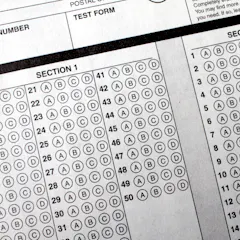
Students’ scores on standardized tests can affect schools’ ratings, adding to the pressure teachers experience in preparing their students for the assessments.
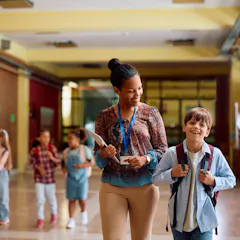
Across three countries, people agree that teaching is centered on the teacher-student relationship. But they don’t agree on which profession teaching most resembles.
Lockdown and active shooter simulations look and feel very different, though people often lump the two practices together.
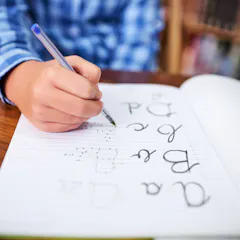
More than 25 states require students to learn to read and write in cursive.
Research on absenteeism often focuses on factors like unreliable transportation, overlooking what schools themselves can do to help kids maintain a steady attendance record.

New research shows that YouTube is used not just as an occasional supplement, but as a staple of classroom instruction.

When both parents appeared equally available, schools were 40% more likely to call students’ moms, rather than their dads.

Rather than considering how much time students spend on screens, the more useful question is whether they are asking questions and solving problems with the help of technology.

A rising number of school districts across the country are beginning their new academic years in July or August, raising the likelihood that kids and educators will encounter scorching days.
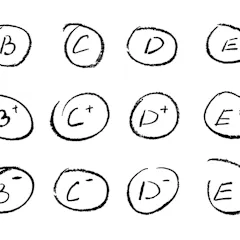
“No-zero” grading policies are becoming more common in US schools. South Carolina is the first state to ban these policies.

Instead of schools trying to replace teachers with AI, teachers could use AI to become better educators.

As schools consider AI guidelines, educators are also thinking about how they can adjust their assignments to accurately measure what students are actually learning.

As schools focus more on evidence-based reading instruction, less time is available for children to practice reading for pleasure.
Some students might arrive at college with already formed cheating habits, and a mentality that justifies the practice.
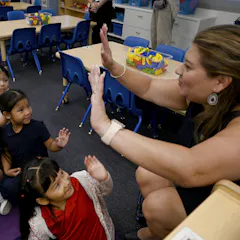
Most American adults will say that they most valued teachers who really knew them, cared about them and made learning relevant to their lives.
Top contributors
-

Assistant Professor of Educational Leadership, Binghamton University, State University of New York
-
Joseph Panzer Chair in Education and Research Professor of Law, University of Dayton
-
Professor of Education & Policy, Boston College
-
Assistant Professor of Criminology and Justice Studies, UMass Lowell
-
Professor of Educational Leadership, California State University, East Bay
-
Associate Professor of Education Policy, Arizona State University
-
Professor of Education Policies and Comparative Studies, Arizona State University
-
Ph.D. Candidate in Public Administration and Policy, American University School of Public Affairs
-
Assistant Professor of Special Education, University of Missouri-Columbia
-
Distinguished University Professor of Psychology and Psychiatry, Florida International University
-
Assistant Professor of Urban Education, American University
-
Professor of Law & Walter H. Stowers Chair of Law and Religion, Michigan State University
-
Associate Professor of Social Work, Arizona State University
-
Assistant Professor of Education, University of California, Irvine
-
Assistant Professor of Education, University of California, Riverside