
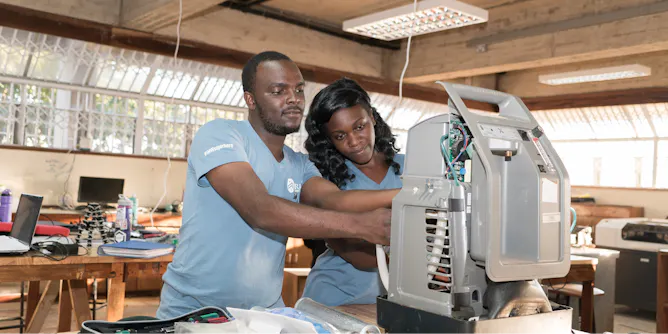
Engineering students in Malawi and Tanzania have used the materials and tools available to them to build ventilators, personal protective equipment and UV disinfection systems.
Articles on Innovation
Displaying 181 - 200 of 671 articles
Too many patents and too little information about them makes it hard for the system to weed out patents that unfairly block inventors.

The coronavirus pandemic has driven a lot of scientific progress in the past year. But just as some of the social changes are likely here to stay, so are some medical innovations.

Wind turbines in cold areas typically include methods for removing and repelling ice, but those methods can waste energy. There’s a better way.
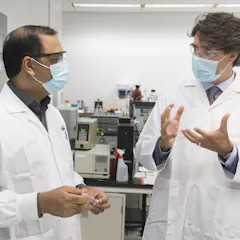
To continue the fast-paced collaborative research and innovation we have seen during the pandemic, here are five ways universities can support health research that responds to societal needs.
Fat replacers have the potential to mitigate the global obesity challenge.

Canadians for the most part have been well served with dispassionate professional judgements about matters of public interest, except when it comes to what kids learn at school.
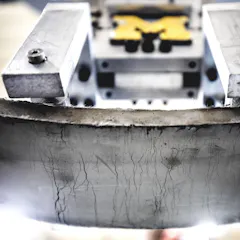
Researchers are developing ways to lock captured CO2 into cement. It could help rebuild America’s crumbling infrastructure and deal with climate change at the same time.
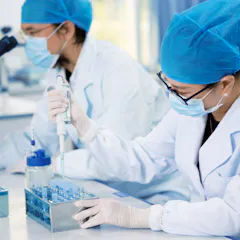
The recent arrest of a Chinese-born scientist at MIT raises questions about the value of international science collaboration and its impact on the American innovation system.

The Fourth Industrial Revolution failed to deliver; it’s time that we put our faith once again in hard science.
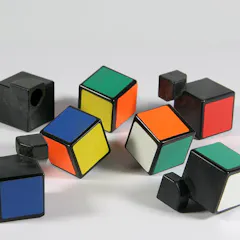
AI algorithms can solve hard problems and learn incredible tasks, but they can’t explain how they do these things. If researchers can build explainable AI, it could lead to a flood of new knowledge.

While relying on internal documents can be controversial, Zuckerberg’s emails are so detailed and specific that they’re impossible to ignore.

The development of multiple vaccines against the virus that causes COVID-19 has been hailed as the breakthrough of 2020. But there were many more supporting discoveries that made this possible.

Although the end of the pandemic may be in sight, the costs of working remotely are growing. It’s time companies had a plan – even if they aren’t returning to the office any time soon.

The story of invention in America typically features larger-than-life caricatures of white men like Thomas Edison while largely ignoring the contributions of women and people of color.

Innovation means creating and capturing value from new things. And it’s better for the Kiwi economy if investment in that innovation grows local industries and creates jobs.

Curved origami isn’t just elegant art. It’s also a versatile way to vary the amount of force applied by robots and other machines.

What if roads and bridges could signal structural problems that need repair?

There are a lot of opportunities in applying geospatial information system to aid COVID-19 response and other outbreaks.

Insects are plentiful and inexpensive. Even when children aren’t attending school in person, they can learn from the encounters they have with insects outside.
Top contributors
-

Emeritus Professor of Innovation, University of Technology Sydney
-
Director, Melbourne Institute of Applied Economic and Social Research, The University of Melbourne
-
Senior Lecturer and Researcher in Innovation and Digital Leadership, University of Brighton
-
Professor of Advanced Technology Transitions, Arizona State University
-
Innovator in Residence, University of Oxford and Emeritus Professor, School of Business, The University of Queensland
-
Professorial Fellow, University of Canberra
-
Professor of the Practice of International Development, Harvard Kennedy School
-
Professor and Founding Director of QUT Centre for the Digital Economy, Queensland University of Technology
-
Associate Professor of Public Policy and Women's Studies, University of Michigan
-
Visiting Professor, University of Technology Sydney
-
Directeur de l'agence Villes Innovations, Chercheur associé au laboratoire PACTE (Université de Grenoble), Co-fondateur du Laboratoire d’usages culture(s)-art-société (LUCAS), Université Grenoble Alpes (UGA)
-
Winthrop Professor, Entrepreneurship, Innovation, Marketing and Strategy, The University of Western Australia
-
Professor of Natural Philosophy in the Department of Physics, University of York
-
Founding Director, Institute for Sustainability, University of Surrey
-
Productivity Growth Program Director, Grattan Institute