

The hantavirus outbreak that began on a cruise ship is a reminder of something we keep having to relearn: When humans push into ecosystems they don’t normally inhabit, they are exposed to viruses.
Articles on Infectious diseases
Displaying 81 - 100 of 692 articles

From the Black Death to the COVID-19 pandemic, combining the genetic data of a pathogen with historical records, archaeological artifacts and epidemiological studies can uncover its origins.
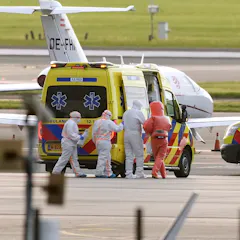
The Andean virus is not highly transmissible between humans. But it is deadly, and the incubation period can be long, so we must remain vigilant, says the virologist.

Hantavirus cases are usually rare, but the strain in the outbreak is the only one thought to be transmitted from person to person.

Is hantavirus being transmitted from person to person? Here’s what investigators need to consider before making that call.

Is it the flu, COVID or something else? That old rapid antigen test sitting in your cupboard may tell you. But this is what you need to know.
Disease outbreaks can make women and girls especially vulnerable to violence, but health surveillance systems do a poor job tracking these trends.

Some simple steps can help keep you tick-free as you enjoy the outdoors.
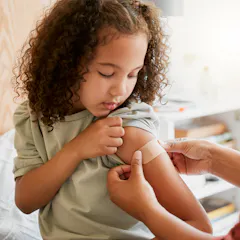
The disease has rarely been seen since the 1950s. Here’s what to look out for, and how it made a comeback.

By letting people make choices and experience the outcomes of those choices, gaming provides a much more hands-on way of learning about health.
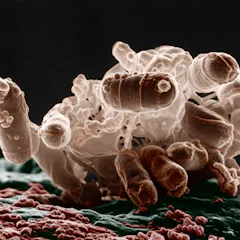
Bacteria don’t quietly die when exposed to antibiotics – they actively respond in ways that in turn change how your body responds to infection.

Teens and young adults are more likely to be asymptomatic carriers of the bacterium that cause meningococcal disease, making university students a high-risk group.
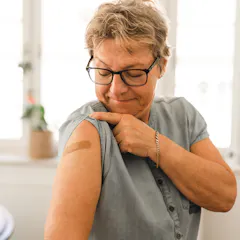
There has already been a lot of flu this year but the flu season is unlikely to peak until late winter.

A first human H9N2 bird flu case in Europe has been detected in Italy. A virologist explains why the current risk is low and what to watch next.

Once-lethal insecticides now require concerningly high concentrations to effectively kill mosquitoes. Some mosquitoes are already immune to all classes of insecticides used to control malaria.

For many citydwellers, parks are sanctuaries, But they may also be home to harmful pathogens.

A meningitis outbreak in Kent linked to a genetically unusual strain has raised urgent questions about why it is spreading among young people.

From bioweapons to biblical plagues, the bacteria that cause anthrax can persist for decades in harsh conditions and wreak havoc on people and cattle.
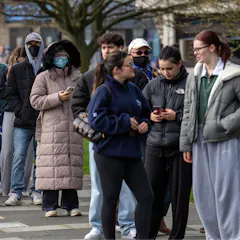
Outbreaks of bacterial meningitis at NZ and UK universities highlight a need for greater understanding and ongoing support for those who survive an infection.

Easter holidays are around the corner. Here’s why it’s a good time to check if you’ve been vaccinated against measles if you’re about to head overseas.
Top contributors
-

Professor of Global Biosecurity, NHMRC L3 Research Fellow, Head, Biosecurity Program, Kirby Institute, UNSW
-
Professor of Infectious Diseases, Monash University
-
Professor of Microbiology and Immunology, Indiana University
-
Associate Professor, Epidemiology, Deakin University
-
Professor of Infectious Diseases and Global Health, University of Sydney
-
Regents' Professor & Chair, Medical Laboratory Science, Texas State University
-
Assistant Professor of Epidemiology and Biostatistics, University of Illinois Chicago
-
Professor, Discipline of Paediatrics and Child Health, University of Sydney
-
Paediatrician & Infectious Diseases Physician; Senior Lecturer & NHMRC Fellow, Faculty of Medicine, University of Sydney
-
Paediatrician and Infectious Diseases Specialist; Clinical Researcher, University of Sydney
-
Adjunct Associate Professor, Faculty of Medicine
-
Senior Lecturer in Microbiology, Western Sydney University
-
Associate Professor of Medicine, Infectious Diseases Physician, Australian National University
-
John Curtin Distinguished Professor of Health Science, Curtin University
-
Deputy Director, WHO Collaborating Centre for Reference and Research on Influenza