
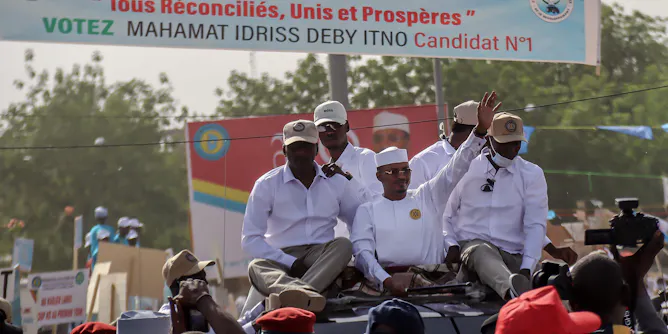
Chad’s presidential elections on 6 May will officially mark the end of the transitional government but will not mean a break with authoritarian rule.
Articles on Idriss Déby Itno
Displaying all articles
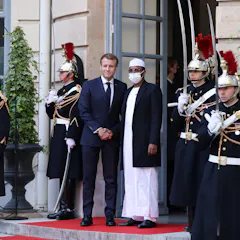
Expulsion of the German ambassador could be a way of warning other embassies, especially France, to steer clear of Chadian politics and support for the opposition.
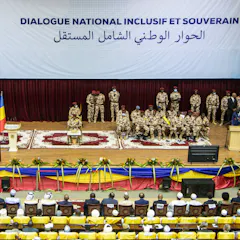
Chad’s ongoing national inclusive dialogue appears great on paper but there are serious gaps and little hope for peace and democracy.
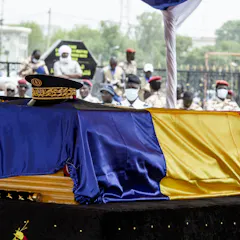
Talks being facilitated by Qatar will determine whether Chad will be peaceful or once again be torn apart by armed conflicts.
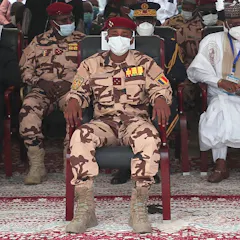
Chad’s political institutions are corroded by corrupt politics to a degree that make true political reforms highly unlikely.
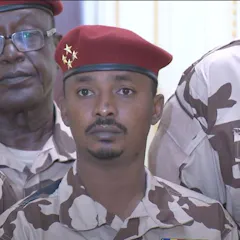
The struggle among elites has not resulted in efforts to improve the material lives of ordinary people unconnected to the political elite.

The recent spate of military takeovers, most recently in Chad, highlights a developing trend by armed forces in Africa which overtly subvert constitutional governance.
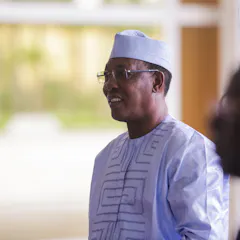
When he grabbed power in 1990, Déby promised to create a democratic society, but he turned out to be a ruthless authoritarian whose main agenda was to remain in office.
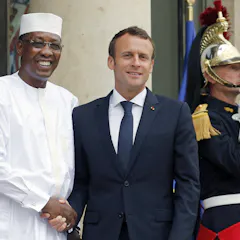
The resistance during this election cycle is even more passionate than in recent years.
