
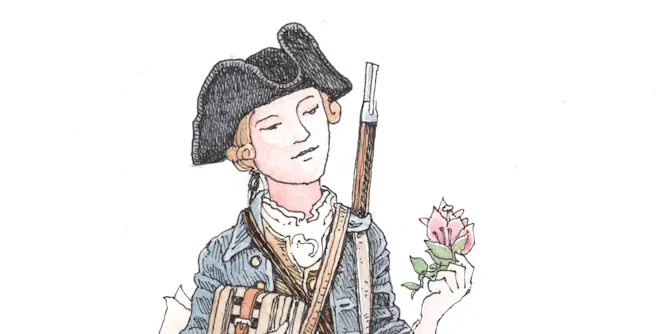
Fresh research casts new light on a boldly unconventional woman who cross-dressed as a man to join a French naval sea voyage.
Articles on Hidden women of history
Displaying 21 - 40 of 53 articles
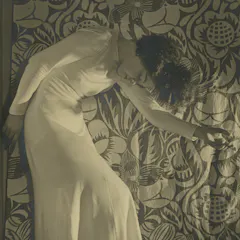
In the 1930s, it was modern dance that taught Melburnians how to perform personal hygiene. There are still lessons to be learnt from this history and the legacy of Sonia Revid.
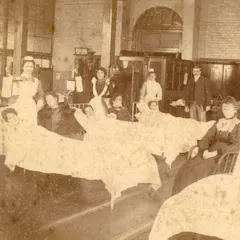
A passionate crusader for the rights of women and children, Catherine Hay Thomson went undercover to investigate their treatment in public institutions and testified before a Royal Commission.

A grave stands in Bicheno, paid for by locals in the 1800s. It stands as a testament to the lifesaving ocean feats and tragic life of Indigenous woman Wauba Debar.

From a young age, Neaera was trained for the life of a hetaira, or courtesan. Her tragic story comes to us only through court documents, but she deserves to be remembered.
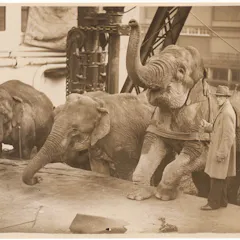
Born in 1831, at a time when animals were widely regarded as property, Frances Levvy used the power of the press and the passion of children to advocate for their welfare.
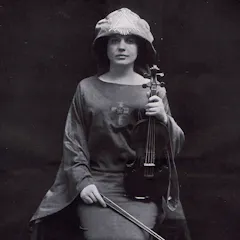
Leila Waddell entered the world stage as an acclaimed violinist - and left it having influenced magical practice into the 21st century.

She left Sydney Ladies’ College at 14 to marry an alcoholic future king. But the life of Queen Marau deserves to be written outside the shadow of her royal husband.
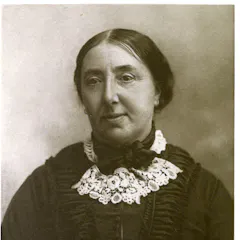
One of the most influential agricultural entomologists in history was an insatiably curious and fiercely independent woman named Eleanor Anne Ormerod. She never went to school - nor was she paid for her work.
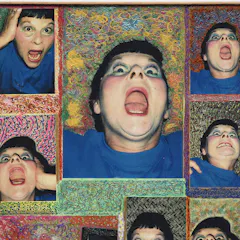
Best known as the subject of her husband Richard’s work, Pat Larter was herself a major artist.
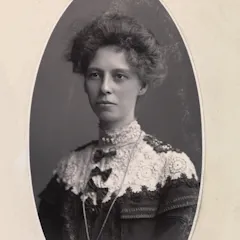
When Flos Greig first entered law school, it was illegal for women to become lawyers. Undeterred, she lobbied for change and became the first woman admitted to the legal profession in Australia.
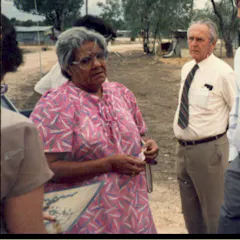
Denied an education in 1930s Australia because she was too black, Isabel Flick went on to fight segregation at her local cinema in the early 1960s. She became a powerful campaigner for Indigenous rights.
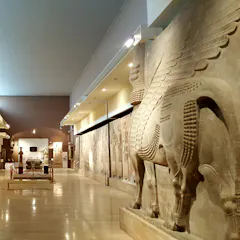
Ennigaldi-Nanna is largely unknown in the modern day. But in 530BC, this Mesopotamian priestess worked to arrange and label various artefacts in the world’s first museum.
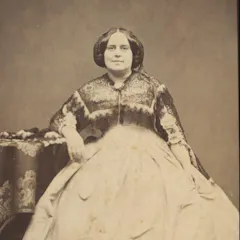
Eliza Winstanley, who died of diabetes and exhaustion in Sydney in 1882, is largely forgotten. But as a leading artist on Australia’s earliest stages she deserves a prominent place in our theatrical histories.
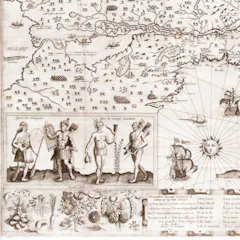
Antoinette de Saint-Étienne was a Canadian First Nations woman of the 17th century whose beautiful singing voice attracted the attention of a queen.
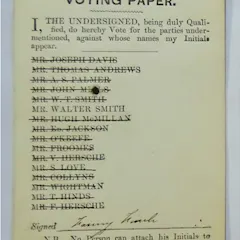
Decades before most white Australian women were granted the right to vote, a businesswoman and single mother of four took to the polls and signed a ballot paper.
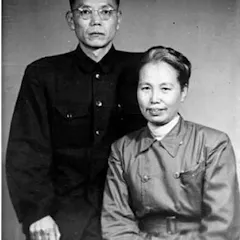
At her birth in 1901 she was registered with the name ‘girlie’, not really a name at all. But from this assigned anonymity, Hsieh Hsüeh-hung became a courageous and tenacious revolutionary.
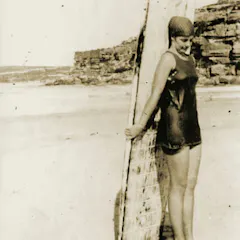
Isabel Letham was one of the first Australians to ride the waves. After moving to the US in 1918, she became an epitome of the modern woman: economically independent, physically daring and unapologetically ambitious.
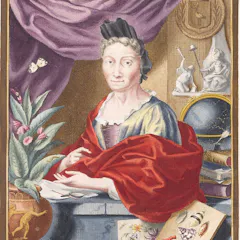
Maria Sibylla Merian’s meticulous observations laid the groundwork for the fields of entomology, animal behaviour and ecology. But the legacy of this scientific superhero has been sidelined by sexism.

Enheduanna’s name means ‘Ornament of Heaven’. She wrote hymns and myths more than 4000 years ago, studied the stars and yet is almost entirely unknown in the present day.
Top contributors
-

Director, Gender and Women's History Research Centre, Australian Catholic University
-
Professor (honorary), The University of Melbourne
-
Emeritus professor, History, The University of Melbourne
-
Associate Professor in Entomology, University of Sydney
-
Emeritus Redmond Barry Distinguished Professor, The University of Melbourne
-
Senior Lecturer in History, La Trobe University
-
Honorary Research Associate, Department of Classics and Ancient History, University of Sydney
-
Historian and Heritage Consultant, La Trobe University
-
Post Doctoral Research Fellow, University of Technology Sydney
-
Professor of Law at the University of Houston, University of Houston
-
Senior Lecturer, Macquarie University
-
Associate Professor of Sport Management, University of Technology Sydney
-
ARC Research Fellow, Adelaide University
-
Joanna Mendelssohn is a Friend of The Conversation.
Honorary Senior Fellow, School of Culture and Communication, The University of Melbourne
-
Head, Public Engagement, Chau Chak Wing Museum, University of Sydney