
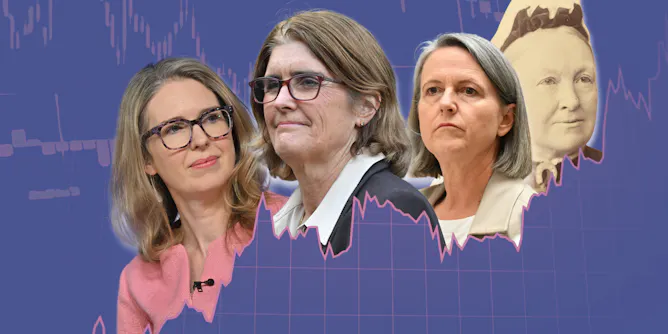
In a stubbornly male dominated field, how brilliant did a woman have to be to succeed?
Articles on Hidden women of history
Displaying 1 - 20 of 53 articles

Queen Bona Sforza transformed royal finances and expanded a dynasty’s wealth, becoming one of the most powerful women in early modern eastern Europe.
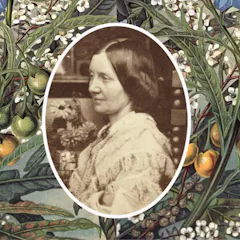
Louise Anne Meredith drew her literary inspiration from the Australian landscape and crafted her own ‘brand’ in its image. May Gibbs, who did the same, began publishing after her death.
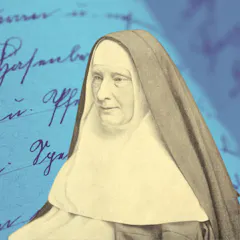
Few people know of Augusta Drane but she was a fascinating figure. She wrote a two-volume biography of a saint in six weeks and abhorred the idea of marriage.
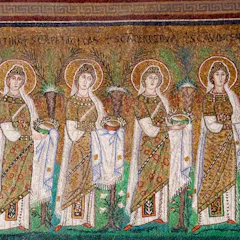
Perpetua was still breastfeeding her baby son when she was thrown in jail by Roman authorities. A Latin text movingly describes her suffering.

A formidable woman born in the second half of the fourth century and widowed at around 17, Olympias was not afraid to advocate for herself – or her friends.
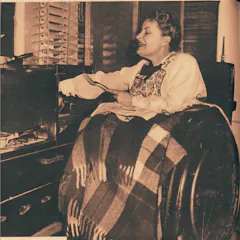
Was international bestselling author Dorothy Cottrell too female, too popular, too ‘unAustralian’ and perhaps, too disabled, for the local literary establishment?
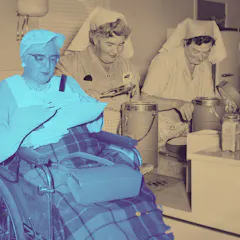
When Doris Taylor became paralysed, her mother was advised to put her in a Home for Incurables. Instead, Doris helped elect a reforming South Australian premier and founded a national institution.
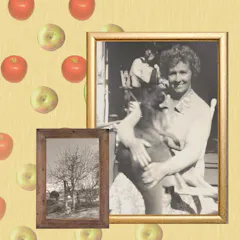
Historically, women’s contributions to the agricultural sector often occurred outside of professional roles. ‘Lady’ Maud Williams, who discovered the Lady Williams apple, is one of those women.
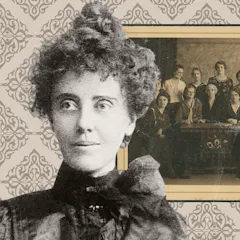
Kate Cocks, South Australia’s first policewoman, was no saint – but she helped solve major crimes including the poisoning of children, abortion rackets and drug smuggling.
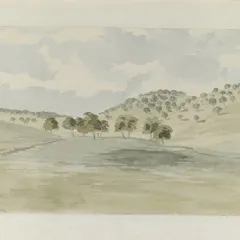
Kudnarto was the first Aboriginal woman to legally marry, under colonial law in South Australia. Her descendants include prominent Kaurna people like Gladys Elphick and Michael O'Loughlin.
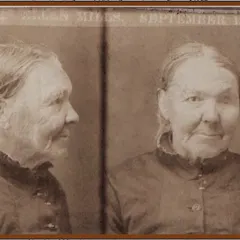
Transported to Van Diemen’s Land aged 11, Ellen Miles went on to riot in Launceston’s Female Factory, seek fortune in gold-rush Victoria and live to nearly 90.
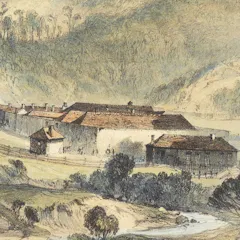
Deported to Australia as a convict at the age of 18, Alexandrina Askew reinvented herself as a woman of means, with a mysterious habit of misplacing her purse.
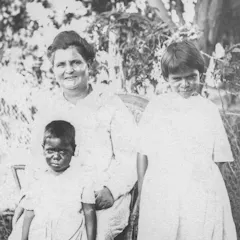
I thought I had uncovered a feminist heroine, but for all her intrepid and gutsy behaviour, Lock held intensely socially conservative views in line with her religious conviction.
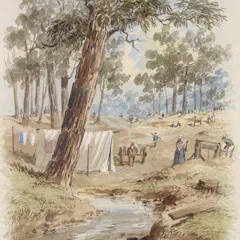
Mould, dodging mine shafts, sleeping in beds of dried leaves: Mary Anne Allen’s diary offers a fascinating glimpse of family life on the goldfields in 1852.
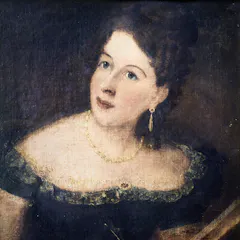
Dunlop’s 1838 poem, The Aboriginal Mother, about the suffering inflicted at the Myall Creek massacre, made the new immigrant from Ireland locally notorious.
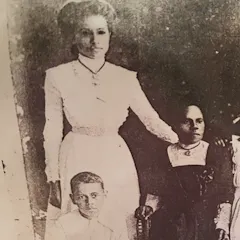
Brought out to work on the sugar plantations, Annie was a woman of colour who defied all odds to participate in a predominantly white community.
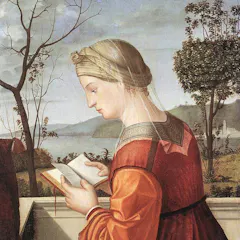
The first French novelist wrote about an adulterous affair and moved to Paris after separating from her husband.
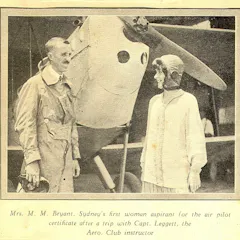
Millicent Bryant made her first solo flight at the age of 49 in 1927. The life of this bold, unconventional woman was tragically cut short in a ferry disaster that same year.
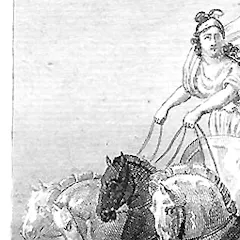
After her win in 396 BC, Kyniska erected a statue of herself, reading: ‘I am the only woman in all Greece who won this crown.’
Top contributors
-

Director, Gender and Women's History Research Centre, Australian Catholic University
-
Professor (honorary), The University of Melbourne
-
Emeritus professor, History, The University of Melbourne
-
Associate Professor in Entomology, University of Sydney
-
Emeritus Redmond Barry Distinguished Professor, The University of Melbourne
-
Senior Lecturer in History, La Trobe University
-
Honorary Research Associate, Department of Classics and Ancient History, University of Sydney
-
Historian and Heritage Consultant, La Trobe University
-
Post Doctoral Research Fellow, University of Technology Sydney
-
Professor of Law at the University of Houston, University of Houston
-
Senior Lecturer, Macquarie University
-
Associate Professor of Sport Management, University of Technology Sydney
-
ARC Research Fellow, Adelaide University
-
Joanna Mendelssohn is a Friend of The Conversation.
Honorary Senior Fellow, School of Culture and Communication, The University of Melbourne
-
Head, Public Engagement, Chau Chak Wing Museum, University of Sydney