

This week the aged care royal commission heard evidence of long waits for home care, poorly trained staff and high fees. These 10 charts explain how the system works and why it’s under such pressure.
Articles on Health policy
Displaying 301 - 320 of 550 articles

Seeking and making sense of specialist fees is an unfair burden to place on vulnerable patients. A website might be helpful for some – but health professionals need to be held to higher account.

Paying doctors a fee for each service they provide isn’t delivering optimal value for the health dollar. Instead, we should pay doctors a lump sum to care for a patient’s medical problem over time.

Subsidies for private health insurance premiums cost the government over A$6 billion a year. Is it time to scrap the rebate and redirect these funds elsewhere in the health system?

The A$1.25 billion health funding boost isn’t based on any coherent policy direction. It’s designed to shore up support in marginal electorates.

Need a quick overview of what the major parties are promising in health this election? We’ve got you covered.

Australians are waiting too long for elective surgery, dental care and treatment for mental health. It’s no wonder health is a vote-changer.

Each year, inspectors visit Australian hospitals. But they’re less like secret shoppers who identify flaws, and more like guests of a carefully orchestrated performance. This needs to change.

Yes, doctors’ fees should be transparent, but that requirement alone doesn’t go far enough to combat “bill shock”. Specialists should also be required to set fees that are “fair and reasonable”.

Australia needs a sugar tax, as part of a broader national nutrition policy, to combat the obesity crisis. And the sugar industry is getting in the way.

Tonight, Four Corners looks at the tactics Big Sugar has used to influence health policy. Here’s our pick of five analysis pieces that will get you informed on the issue before the program airs.

Malaria elimination in Malawi is lagging because research isn’t being used properly.

Private health insurance premiums will rise from April 1, leaving consumers wondering if they should give it up or downgrade to save money.

The Jacqui Lambie Network plan is short on detail and unlikely to improve the health system or outcomes for Tasmanians over the longer term.

Public hospitals in Australia are owned and operated by state (and territory) governments. So why does the Commonwealth government attract blame for lack of hospital funding?
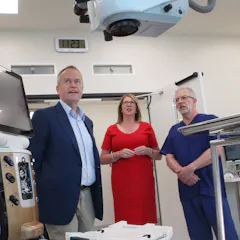
We are paying more for our health insurance because we are using it more. No crude, short-term measures to restrict premium growth will deal with this fact.

One in four patients who stays overnight in hospital endures a complication.

Policies encouraging lifestyle changes that reduce the risk of cancer could have positive effects on the economies of BRICS countries.

New medical staff start in January and may not be as skilled or adept as their predecessors, meaning more things go wrong.
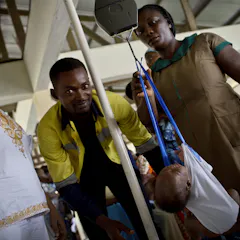
For healthcare to be accessible, affordable and equal, policies and programmes that promote universal health coverage need to be based on evidence.
Top contributors
-

Honorary Enterprise Professor, School of Population and Global Health, and Department of General Practice and Primary Care, The University of Melbourne
-
Program Director, Health and Aged Care, Grattan Institute
-
Professor of Health Economics, The University of Melbourne
-
Professor of Health Economics and Director, Centre for Health Economics, Monash Business School, Monash University
-
Professor, Public Service Research, UNSW
-
Jim Gillespie is a Friend of The Conversation.
Associate Professor in Health Policy, Leeder Centre for Health Policy, Economics and Data & Sydney School of Public Health, University of Sydney
-
Reader in Health Economics, Centre for Health Economics, University of York
-
Professor and Director, Macquarie University Centre for the Health Economy, Macquarie University
-
Adjunct Associate Professor, Menzies Centre for Health Policy and Economics, University of Sydney
-
Lecturer, Public Sector Finance, University of Canberra
-
Professor of Health Economics, University of Technology Sydney
-
Associate Professor, Brain and Mind Centre, University of Sydney; University of Canberra
-
Emeritus Professor, Menzies Centre for Health Policy, University of Sydney
-
Emeritus Professor of Public Health, La Trobe University
-
Professor of Health Economics and Director, Centre for Health Economics Research and Evaluation, University of Technology Sydney