
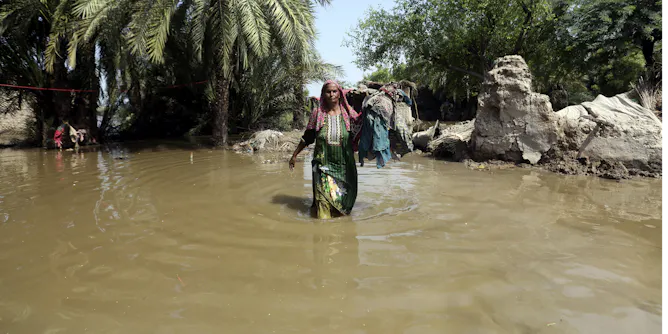
Pakistan contributes less than one per cent of greenhouse gas emissions, but has disproportionately felt the impact of climate change.
Articles on Greenhouse gas emissions (GHG)
Displaying 321 - 340 of 838 articles
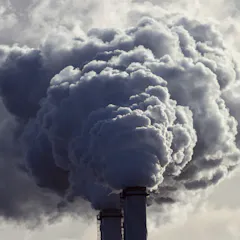
Climate bills in Australia and the US promise progress without carbon taxes or markets. Here’s why.
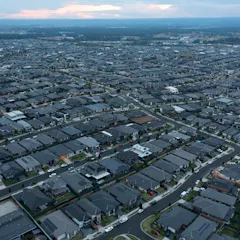
A fast-growing population – 50% bigger than it was in 1990 – is causing, directly or indirectly, all of Australia’s serious environmental problems. These impacts must be central to decision-making.

The landmark change places Bitcoin and other cryptocurrencies under immense pressure to follow suit.
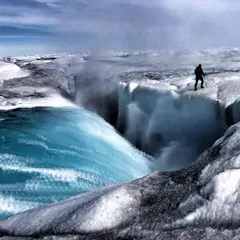
A field glaciologist explains the changes scientists are now seeing.
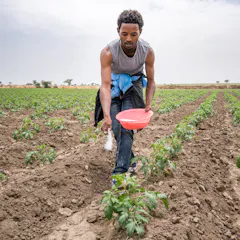
Farmers who use little or no fertiliser can use ecological practices to increase their yields.

The emission reduction targets outlined for Canadian fertilizer use will not lead to food shortages and food insecurity.

The tropics are projected to face almost daily dangerous heat by 2100. And “extremely dangerous” heat that’s almost unheard of today will occur more often in several regions.
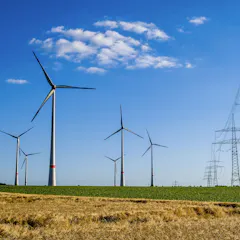
To put the $370 billion in subsidies to work, the US needs to build new infrastructure and manage a lot of regulatory hurdles.
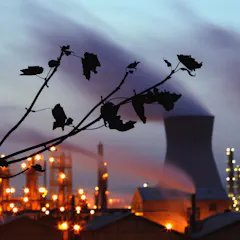
Most claiming to be compatible with the climate agreement show a strong continuing reliance on natural gas and coal.
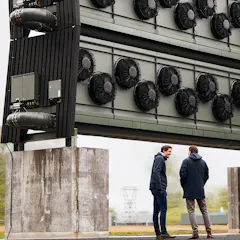
One estimate suggests at least a sixth of all emissions cuts expected from the Inflation Reduction Act would come from carbon capture.

President Joe Biden has pledged sweeping action on climate change but struggled to deliver it. A legal scholar explains why a national emergency declaration should be a last resort.
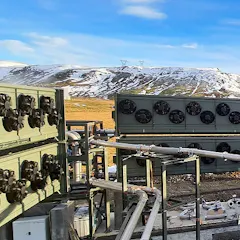
A climate scientist looks at what works and some popular ideas that aren’t as cheap or effective as people hope.
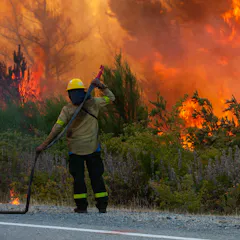
Climate change’s assault on the natural world may explain mystery methane emission surge.

Our research shows the best changes individuals can make to cut carbon emissions and reduce the effects of climate change.
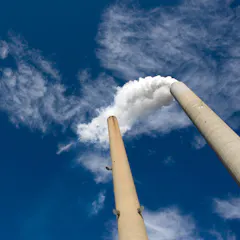
In a 6-3 ruling, the Supreme Court held that an Obama administration plan to regulate carbon emissions from power plants exceeded the power that Congress gave to the Environmental Protection Agency.

Thanks to their high concentrations of phytoplankton, African lakes emit less CO2 than their boreal counterparts, with important consequences for climate modelling.

The road map for a more sustainable future starts with clean energy and fossil-fuel-free transportation.
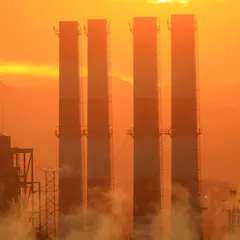
Thanks to humans, the concentration of planet-warming carbon dioxide in the atmosphere is now 50% higher than before the industrial era. These gases are raising Earth’s temperature.

The concept of the carbon footprint can do more than just make us feel guilty about the climate cost of our everyday lives.
Top contributors
-

Chief Research Scientist, CSIRO Environment; Executive Director, Global Carbon Project, CSIRO
-
ARC Future Fellow and Associate Professor in Climate Science, ARC Centre of Excellence for 21st Century Weather, The University of Melbourne
-
Research Group Leader, CSIRO
-
Associate Professor, The University of Western Australia
-
Senior Researcher, Center for International Climate and Environment Research - Oslo
-
Royal Society Research Professor of Climate Change Science, University of East Anglia
-
Director, Queen's Institute for Energy and Environmental Policy, Queen's University, Ontario
-
Professor of Physical Climate Change; Director of the Priestley Centre for Climate Futures, University of Leeds
-
Senior Research Fellow and Associate Professor, Melbourne Climate Futures initiative, The University of Melbourne
-
Honorary Fellow, CSIRO
-
Professor, School of Economics, The University of Queensland
-
Professor, Crawford School of Public Policy and Director, Centre for Climate and Energy Policy, Australian National University
-
Professor, Department of Earth System Science, and Chair of the Global Carbon Project, Stanford University
-
Research Associate, Institute for Climate Risk and Response, UNSW
-
Professorial Fellow, School of Geography, Earth and Environmental Sciences, University of Birmingham