
Through articles written by academic experts in the course of the year, The Conversation Africa takes a look back at Ghana in 2022.
Articles on Ghana
Displaying 261 - 280 of 683 articles
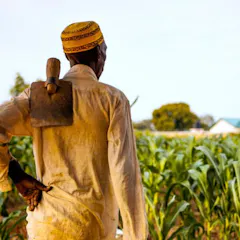
Climate change is affecting the availability of food to the families of farmers in Ghana.
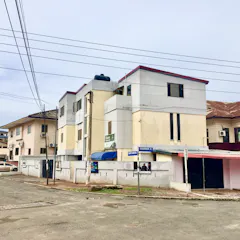
Ghanaians aren’t using the new ‘smart’ street address system which was intended to improve service delivery.

Digital activism can be fruitful if it is followed up by practical and strategic offline actions.
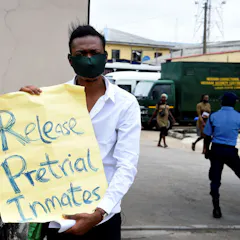
A central repository system offers practical solutions to reducing the large number of awaiting-trial inmates in Nigeria.

Ghanaian urban and development planners need to move away from looking up to examples of innovations from the global north.

Only a small percentage of women in rural areas have access to the Internet, so participation in online activism is limited to urban centres.
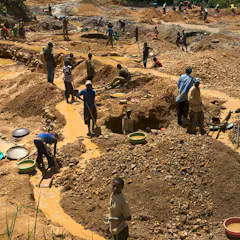
Grassroots miners are disadvantaged by current regulations.
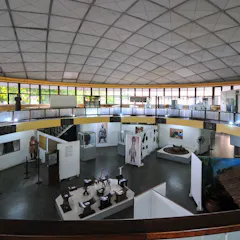
Ghana’s national museum has been reopened after being closed for seven years.
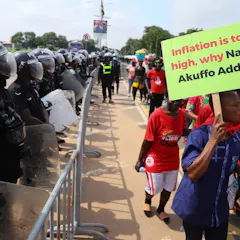
Various scholars weigh in on the state of Ghana’s economy, how it got into this situation and on the IMF’s involvement.

Politics in Ghana is heavily influenced by the Christian majority of the population.

Gifts that migrants bring back home deny recipient countries taxes and reinforce the belief that local items are inferior.
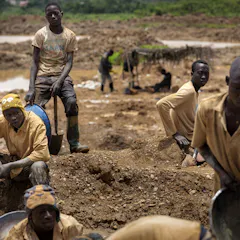
A community centred approach is key to making headway in the battle against illegal mining

Ghana’s sovereign risk has been downgraded to near junk status by ratings agencies in recent times.

In some African countries, astronomical research is quite developed.
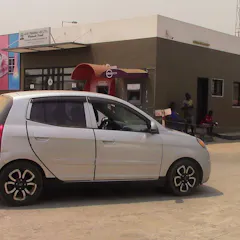
Lawmakers and courts in Ghana must strengthen protections for drivers of ride hailing companies

Disagreements and political considerations override the common good in managing Ghana’s petroleum sector
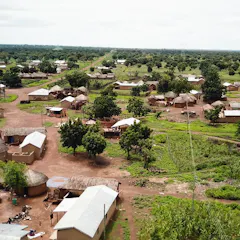
Ghana’s northern region would be more developed now had it received a fairer share of colonial investments.

The time to fix the roof is while the sun is still shining. Before the economic situation goes from bad to worse, the impact of rising interest rates can be mitigated in a combination of ways.
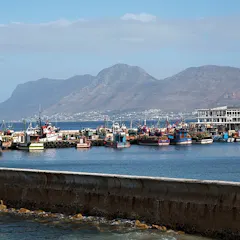
The trend globally is for countries to be explicit about their maritime interests, underpinned by a sound security strategy.
Top contributors
-

Senior Research Associate, University of Oxford
-
Teaching Assistant Professor, University of Pittsburg and Visiting Associate Professor, The University of Osaka, University of Pittsburgh
-
Research Active Lecturer, Discipline of Psychology, Charles Darwin University, Charles Darwin University
-
Associate Lecturer, University of Aberdeen
-
Lecturer in Sustainability and Fellow of Indo Pacific Research Centre, Murdoch University
-
Senior Lecturer, Department of Planning, Kwame Nkrumah University of Science and Technology (KNUST)
-
Senior Lecturer, University of Environment and Sustainable Development
-
Associate Professor, Oxford School of Global and Area Studies/ History, University of Oxford
-
Senior Lecturer, Department of Planning, Kwame Nkrumah University of Science and Technology (KNUST)
-
Professor of Democracy, University of Birmingham
-
Lecturer, Department of Economics, University of Ghana
-
Lecturer in Security, Development and Leadership in Africa, King's College London
-
Associate Professor and Director of Christiansborg Archaeological Heritage Project, Associate Graduate Faculty, Rutgers University
-
PhD Candidate, University of Memphis
-
Senior Research Fellow in Global Health, University of Southampton