
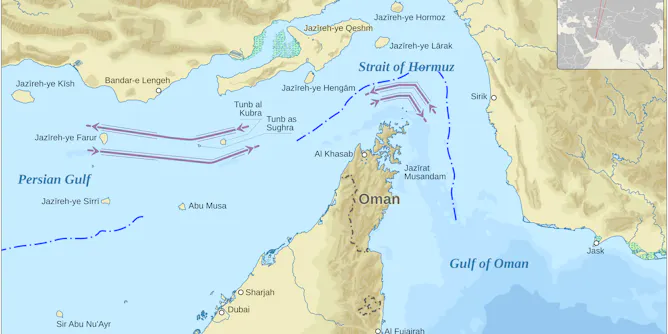
As the Strait of Hormuz reopens, a new study reveals what the agri-food industry’s priorities should be to overcome such an unprecedented logistical challenge.
Articles on Food and Agriculture Organisation of the United Nations (FAO)
Displaying 1 - 20 of 24 articles

Combining more than 15,000 reports from 36 states, researchers estimate that recreational fishing puts $3 billion worth of food on Americans’ tables each year.

Policy frameworks shaping farming in the EU and beyond are suffering from funding misalignment and fragmented priorities, resulting in ineffective global climate efforts.

While sanctions aim to punish regimes, they often punish citizens instead.

Pandemics often have animal origins, so prevention is often dominated by health and veterinary sciences. However, social sciences’ role in understanding human behaviour is also crucial to prevention.
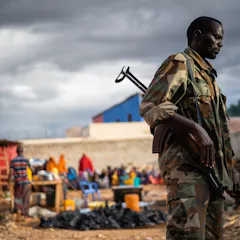
The negative effects of conflict on human capital – particularly nutrition, health and education – are larger than commonly thought.
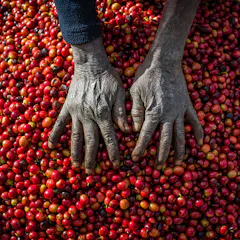
The findings show that Zambian agricultural policies do reduce headcount poverty and inequality.
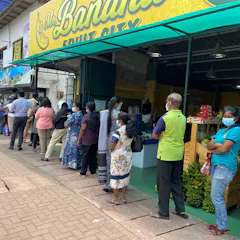
Food, fuel and fertiliser prices were rising fast even before war broke out. We need to act now to avoid a humanitarian crisis.

Dietary guidelines can do a better job clarifying the differences between beneficial and harmful forms of processing.

One Health recognizes the interrelations between the health of humans, other animals, and their shared environments. It should be integrated in the international treaty on pandemics.
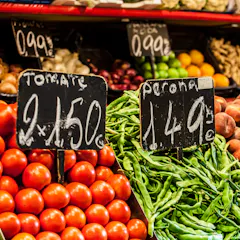
Extreme weather is already having an influence on global food prices.
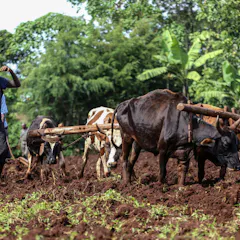
Research questions the idea that getting commercial seeds and fertilisers to smallholder farmers will double yields and incomes.

Africa’s Great Green Wall must immediately speed up to meet the needs of people along the edges of the Sahara Desert.

For many of the children who don’t get enough to eat, the consequences could last a lifetime.

As the twin crises of climate change and Covid-19 continue to unfold, a traditional crop can help South American communities preserve biodiversity and their heritage.

A new UN report shows that hunger and food insecurity are rising worldwide. The COVID-19 pandemic is adding to this trend, but is not the major driver.
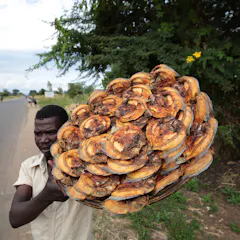
Nutrition policies offer the chance for us to think differently about men and women’s roles in society.
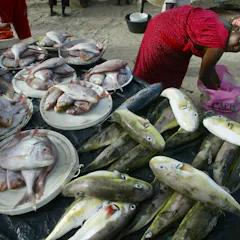
Small-scale fisheries buffer poverty and hunger in coastal countries.
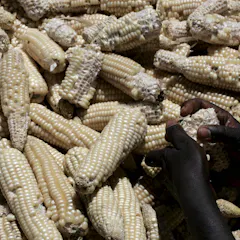
Understanding the political economy around maize production puts into context debates on key interventions in the value chain.
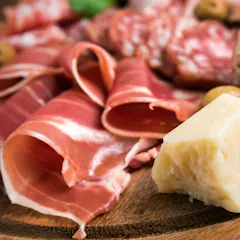
To defend traditional Italian products such as meats and cheeses – delicious, but often high in fat and salt – the country’s government has launched an intense lobbying campaign to fight nutrition labels.
Top contributors
-

Adjunct Research Scientist, Swedish University of Agricultural Sciences
-
Sustainable land management specialist, World Resources Institute
-
Senior Research Fellow, Global Development and Environment, Tufts University
-
Associate professor, Institute of Anthropology, Gender and African Studies, University of Nairobi
-
Equipe de Recherche en Epidémiologie Nutritionnelle, U1153 Inserm,Inra,Cnam, Université Sorbonne Paris Nord
-
Head of Research Programme, Council for the Development of Social Science Research in Africa
-
Senior Research Fellow in Commercial Determinants of Health, The University of Melbourne
-
Professor, Institute for Poverty, Land and Agrarian Studies, University of the Western Cape
-
Postdoctoral Fellow, Faculty of Health Sciences, Simon Fraser University
-
NHMRC Emerging Leadership Fellow, Institute for Physical Activity and Nutrition, Deakin University
-
Assistant Professor of Public Health, Indiana University
-
Research Fellow, Tegemeo Institute, Egerton University
-
Professor in Food Security; Head of the Department of Agricultural Economics, Extension and Rural Development, University of Pretoria
-
Professor of Public Economics, University of Helsinki
-
Network and Research Manager: ARUA – UKRI GCRF FSNet Africa, University of Pretoria