
The microbes in your poo could be a gift to others. Here’s what to think about if you’re interested in donating your poo.
Articles on Fecal transplants
Displaying all articles

Nice recommends faecal transplants to treat antibiotic-resistant Clostridium difficile infections. The treatment has been used in the UK since 2013.

Two Australians with bipolar have been successfully treated with poo transplants, allowing them to come off, or reduce, their medications. Here’s where the science is up to.
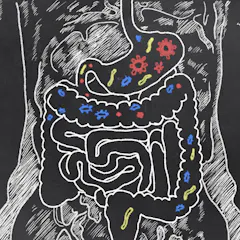
From dietary supplements to poop transplants, probiotics are now a multi-billion dollar market.

Colorectal cancer rates among older adults have been declining, but diagnoses in adults younger than 50 have increased. As Colorectal Cancer Awareness Month winds down, a researcher offers insight.
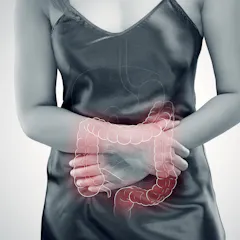
Cancer immunotherapy is a revolutionary treatment for many but it can cause nasty side effects like inflammation of the colon that can derail treatment. Could the solution be a fecal transplant?
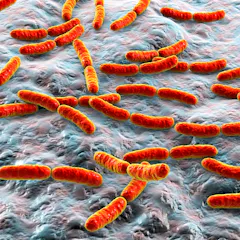
Cancer immunotherapies are considered as revolutionary. But many cancer patients don’t respond to them. In a new clinical trial, researchers are testing whether gut microbes are the key to remission.
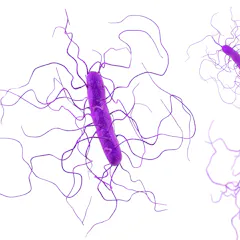
A new type of antibiotic uses DNA to fight a common deadly microbe, Clostridium difficile. These new drugs are inexpensive and adaptable and can be modified to target any bacterium, lowering the chance of drug resistance.
A low diversity of gut bacteria may help explain heart attacks in young people, women and certain ethnic groups.
There’s growing evidence poo transplants can work for some conditions, including a type of diarrhoea. But they’re not for everyone.
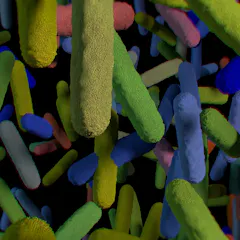
The composition of bacteria in our gut regulates our immune system. Modifying it - through poo transplants for example - can control cancer risk, as well as response to treatment.
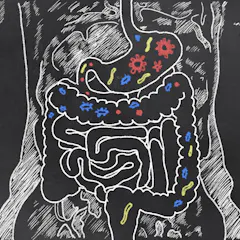
Gordon has made humble gut microbes one of the most talked about health topics of the last decade.
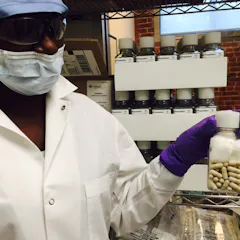
Would you freeze your poo for a rainy day of ill health?
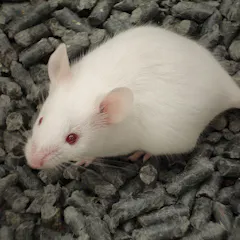
Two of the most common antibiotic-resistant bacteria circulating in hospitals can be wiped out by transplanting faeces from a healthy animal into the gut of an infected one, a study on mice has found.

The idea of faecal transplants was taken a step further in the recent story of Catherine Duff who, fed up with the crippling pains and diarrhoea caused by yet another C. difficile infection, decided to…
Top contributors
-

Scientia Associate Professor, Host-Microbiome Interactions Group, UNSW
-
Professor of Genetic Epidemiology, King's College London
-
Associate Professor of Pharmacology, Penn State
-
Associate Professor of Surgery, University of Arizona
-
Chair of Microbial Biology and Metagenomics, The University of Queensland
-
Professor, School of Biotechnology and Biomolecular Sciences, UNSW
-
Distinguished Professor Emeritus of Biological Sciences, University of South Carolina
-
Professor of Clinical Microbiome and Consultant Gastroenterologist, University of Birmingham
-
Assistant Professor of Gastroenterology, Hepatology & Nutrition, The University of Texas MD Anderson Cancer Center
-
Professor of Molecular and Genetic Epidemiology, University of Nottingham
-
Postdoctoral Research Fellow, South Australian Health & Medical Research Institute
-
Professor at Schulich Medicine & Dentistry, Western University
-
Academic Dean, Division of Health Sciences UniSA, Laboratory Head (Cancer Treatment Toxicities Group), Scientific Chair (MASCC/ISOO), Adelaide University
-
Professor Emerita, Classical Studies, The Open University
-
Consultant Psychiatrist and Senior Research Fellow, Deakin University