

Decades of disaster research show how catastrophes strain communities – and reveal the connections that help people endure.
Articles on Exxon Valdez
Displaying all articles

At the heart of combating misinformation is critical thinking and recognizing when you’re being spun for corporate profit.
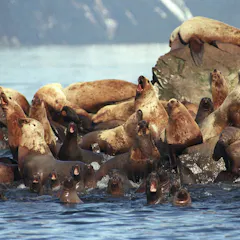
ToxChips study the changes in the DNA of animals exposed to contaminants, like those found in oil spills.

Clean-up operations after a spill can miss large quantities of the oil, with severe risks for marine habitats, fish and birds.
Top contributors
-

Postdoctoral Researcher, University of Tasmania
-
Adjunct professor, Department of Biology, Carleton University
-
Masters Student, Department of Biology, Carleton University
-
Vice President (Research) and Professor, Ocean and Naval Architectural Engineering, Memorial University of Newfoundland
-
Professor of Psychology, Biological Sciences and Environmental Studies, USC Dornsife College of Letters, Arts and Sciences
-
Associate Dean for Research & Professor, School of Social Work, University of Texas at Arlington
