

You’ve more than likely heard of birth doulas. But nowadays, death doulas are providing support at the end of life. How they fit into existing structures of care remains to be understood.
Articles on End-of-life care
Displaying 41 - 60 of 96 articles

In the final days of life, it may be too late to choose how you want to die, who you want to be cared by, and how you’d like your symptoms managed.

In England, each home is given a rating against five questions: is it safe, is it effective, is it responsive, it is caring and is it well led?

Everyone dies, so why are so many people still afraid to talk about it?
The UK has one of the most developed palliative care services in the world, yet people still miss out.
In Nova Scotia, it’s clearer now who qualifies for medical assistance in dying. Will the other provinces and territories follow suit?

Most elderly Canadians do not receive the end-of-life care they desire. A new study hopes to rectify this.

Cannabis use among the baby boomer generation is on the rise, here’s why.

Half of all patients diagnosed with cancer in the UK still die of the disease.
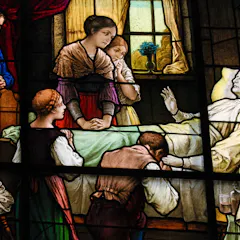
Far from being lonely, some people prefer being left to die in peace.

Excruciating pain at the end of life is extremely rare. The evidence shows pain and other symptoms, such as fatigue, insomnia and breathing issues, actually improve as people move closer to death.

The NSW bill leaves significant questions unanswered, disquieting ethicists, lawyers and doctors.

While there are similarities in the general principles of palliative care provided to children and adults, there are also key differences.

When a person has a serious illness, palliative care aims to improve that person’s quality of life.
One would think governments would do all they could to ensure palliative care is available to all who need it. This is not the case in Australia today.
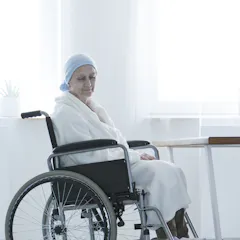
More than 2,000 Canadians have chosen medical assistance in dying (MAID) since legalization in 2016. But palliative care doctors aren’t embracing assisted suicide as part of their job.

The Victorian law provides if a child has made a valid advance directive including instructions to refuse a particular medical treatment, a health practitioner must not provide that treatment.

The high-profile Charlie Gard case could change the way end-of-life decisions play out around the world.

Public opinion, shifting views in the health profession and international trends allowing assisted dying mean it will be lawful in Australia at some point. But will it be lawful in Victoria soon?

People who seek aid in dying tend to be white men older than 65, a new analysis shows. While this could be due to religious views, here’s why it could also be because of lack of access.
Top contributors
-

Distinguished Professor, Professor of End-of-Life Law and Regulation, Australian Centre for Health Law Research, Queensland University of Technology
-
Consultant Neonatologist and Professor of Ethics, University of Oxford
-
Professor of Law, Australian Centre for Health Law Research, Queensland University of Technology
-
Assistant Professor of Palliative Medicine, Aga Khan University
-
Emeritus professor, Southern Cross University
-
Adjunct Research Fellow, Adelaide University
-
Professor of Intensive Care, UNSW
-
Honorary Enterprise Professor, School of Population and Global Health, and Department of General Practice and Primary Care, The University of Melbourne
-
Associate Professor of Law (Health Law), Deakin University
-
Lecturer in Nursing, University of Birmingham
-
Associate professor, Australian Catholic University
-
Associate professor, Queensland University of Technology
-
Professor of Medicine, Monash University
-
Emeritus Professor of Public Health, La Trobe University
-
Associate Professor of Law, Bond University