
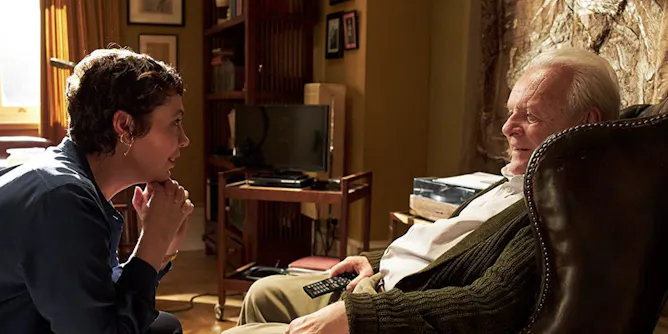
A neuroscientist and a clinician watched two new films about dementia. They recognised what they saw.
Articles on End-of-life care
Displaying 21 - 40 of 96 articles
Many Australians come to the end of their life while living in aged care. But damningly, the aged care royal commission found many residents have worse palliative care options than those living elsewhere.

The pandemic is bringing up tough new questions as parents and grandparents develop advance care plans. Here’s how to start the conversation.

Terminally ill research participants wanted to have the option of assisted dying if they needed it, and felt they knew best when the time was right for them to die.
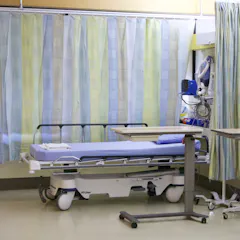
The only chaplain in the COVID-19 section of a Montréal hospital offers spiritual care to patients and families, as well to staff, who have found themselves more intimately exposed to life and death.
In the 10 years leading up to 2016, the rate of prisoner mortality rose by 15%. End-of-life options can be limited for inmates.
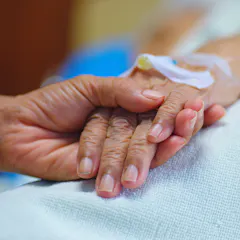
Lack of training and skills among those who work in the area may lead to LGBT people receiving poorer palliative care.
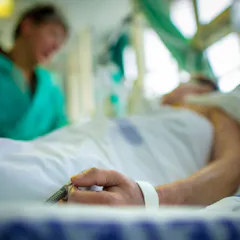
Even the most considered medical phrases require careful reflection.

Many people might want to choose how, when, and under what circumstances they die – but diseases like dementia can complicate advance euthanasia directives.
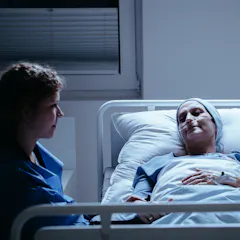
The seriously ill and their families often want to protect each other from thoughts of death. Conversation about end-of-life choices are, however, essential to a good death.
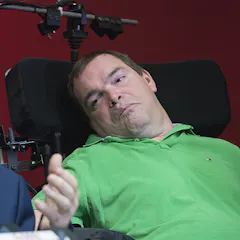
One judge must not be allowed to curtail parliament’s power to promote broader societal interests and protect people who are elderly, ill and disabled.

Formally planning ahead in case of illness or injury can provide you a voice when you may no longer have one - here’s our guide
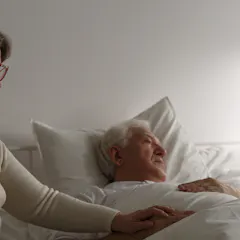
Western Australia might soon become the second state in Australia to legalise voluntary assisted dying. Its proposed law draws on the Victorian model, but has some important differences, too.
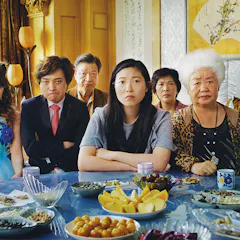
While 92% of adults feel that talking with their loved ones about end-of-life care is important, only 32% have actually done so.

As we sit on the cusp of voluntary assisted dying becoming legal in Victoria, we expect it won’t always be simple for people who want it to access it – at least in the legislation’s early days.

The debate over Mr. Vincent Lambert’s decision to discontinue his care overshadowed equally important judicial and ethical issues. A look back at a complex situation that will set a precedent.
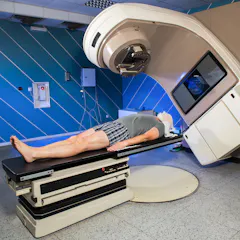
Palliative radiation therapy can improve a cancer patient’s life, by alleviating pain and other symptoms. Unfortunately, some doctors associate the term with end-of-life care and fail to refer people.

One of the great success stories in healthcare, a quarter of the UK hospice sector is said to be close to collapse.

There is a gap in most people’s knowledge – experiential poverty – about how to deal with death.
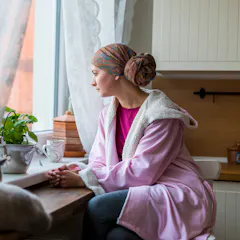
Research shows therapeutic psilocybin to be a safe and effective antidote to end-of-life anxiety and depression. Does prohibition therefore violate our right to “life, liberty and security?”
Top contributors
-

Distinguished Professor, Professor of End-of-Life Law and Regulation, Australian Centre for Health Law Research, Queensland University of Technology
-
Consultant Neonatologist and Professor of Ethics, University of Oxford
-
Professor of Law, Australian Centre for Health Law Research, Queensland University of Technology
-
Assistant Professor of Palliative Medicine, Aga Khan University
-
Emeritus professor, Southern Cross University
-
Adjunct Research Fellow, Adelaide University
-
Professor of Intensive Care, UNSW
-
Honorary Enterprise Professor, School of Population and Global Health, and Department of General Practice and Primary Care, The University of Melbourne
-
Associate Professor of Law (Health Law), Deakin University
-
Lecturer in Nursing, University of Birmingham
-
Associate professor, Australian Catholic University
-
Associate professor, Queensland University of Technology
-
Professor of Medicine, Monash University
-
Emeritus Professor of Public Health, La Trobe University
-
Associate Professor of Law, Bond University