
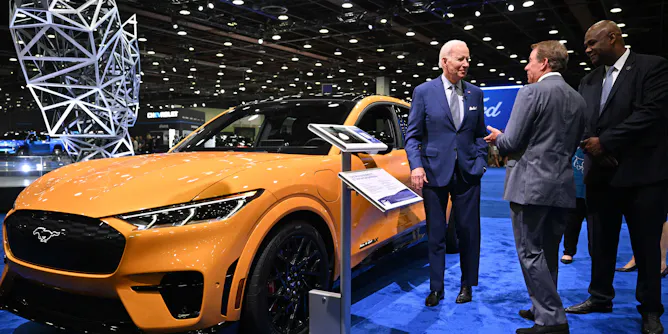
An EV industry expert offers five reasons to be optimistic that the government’s ambitious proposed rules to clean up auto emissions can succeed.
Articles on Electric vehicle policies
Displaying 21 - 40 of 47 articles

A study of 230 electric vehicles found only 25% of charging happens during peak demand periods. Their patterns of use also mean spare battery capacity could be fed into the grid at these times.
The rest of the nation should follow the ACT’s lead. Incentives to boost the transition to electric vehicles are one of the best ways to tackle Australia’s fastest-growing source of emissions.
Known as parallel importing, importing goods directly from overseas suppliers lowers costs and increases supply, which is what Australia’s electric vehicle market needs to catch up with the world.
Rather than promoting individual electric vehicles for lower-income consumers, governments should fund electric public transit instead.

Converting to electric cars is going to take time. With transport being Australia’s fastest-growing source of emissions, action on all fronts – road, rail, sea and aviation – is needed.
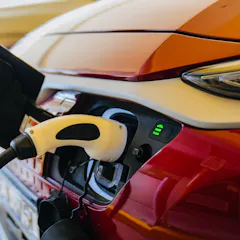
Major new policies are still needed to accelerate the road transport transition. There’s good news, however: Australian motorists have been promised more choice soon.
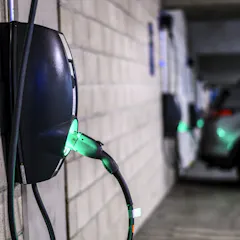
Reducing air pollution from cars and light trucks would pay big health dividends for low-income and minority communities. A new survey shows how to get more drivers of color into electric vehicles.
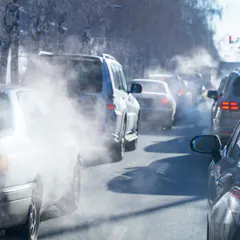
Air pollution from traffic causes the deaths of thousands of Australians. A swift transition to electric vehicles will save lives – and save households and businesses money in the long run.
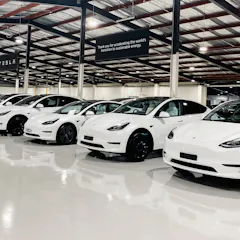
We’ve heard all the concerns about switching to electric cars before. But California, a market with many similarities, shows why Australia is well placed to accelerate its transition.
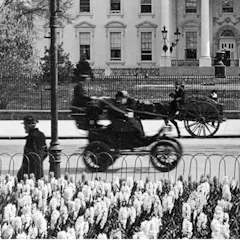
Electric vehicles were around long before their fossil fuel rivals. They are also set to outlast them because of advantages their advocates noted as early as a century ago.
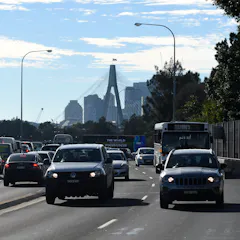
Opposition from vested interests – including oil refineries and the car dealership industry – has held Australia back on fuel efficiency. The onus is now on the Albanese government to intervene.
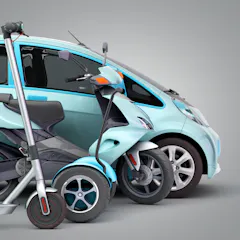
Electric cars are important - but we can now electrify all land-based transport, from buses to bikes to trucks. We need good policy settings.
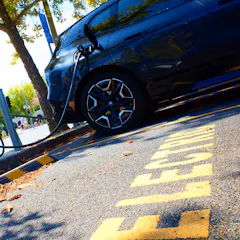
A study commissioned by the ACT government finds zero-interest loans and free registration help – but the price of the car and petrol prices matter most of all.
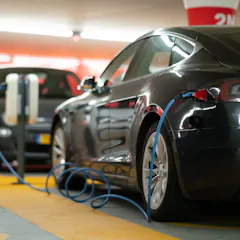
A new international report on climate change finds rapid changes could cut emissions from transportation by 80% to 90%. Three behavior change trends could bring big improvements.
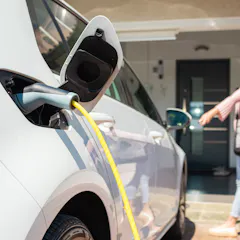
Unfortunately, Australians should not expect EVs to suddenly become cheap and easy to get here in the next couple of years unless policy changes.
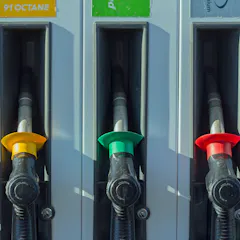
Proposals to cut Australia’s fuel excise will prolong an already alarming dependence on oil-based imports and undermine policies to shift the nation away from fossil fuels.
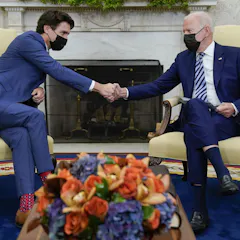
Amid another flurry of U.S. protectionist measures, Canada should reconsider the value of global trade deals over bilateral agreements. But it should also support its own industries.
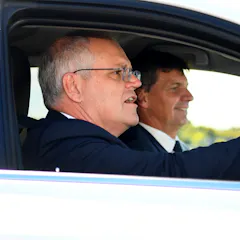
The sale of traditional vehicles would have to cease completely by 2038 to reach the government’s target. So where’s the plan to get there?
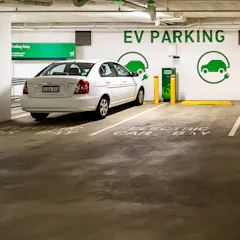
It’s encouraging to see the Morrison government move past its claim electric vehicles would ‘end the weekend’. But the new plan is not the national electric vehicle strategy Australia deserves, and badly needs.
Top contributors
-

Professor of Transport Technology and Sustainability, Swinburne University of Technology
-
Professor in Supply Chain and Freight Innovation, Swinburne University of Technology
-
E-Mobility Research Fellow, The University of Queensland
-
Professor, School of Economics, The University of Queensland
-
Lecturer, School of Electrical Engneering and Computer Science, The University of Queensland; The University of Western Australia
-
Associate Professor and Principal Fellow in Urban Risk and Resilience, The University of Melbourne
-
Professor of History, La Trobe University
-
Professional Researcher, Electric Vehicle Research Center, University of California, Davis
-
E-Mobility Doctoral Researcher, The University of Queensland
-
Associate Professor of Civil and Environmental Engineering, University of California, Davis
-
Programme Leader, Energy and Climate Change, Stockholm Environment Institute
-
Senior Research Fellow, Collaboration on Energy and Environmental Markets, UNSW
-
Associate professor, Deakin University
-
Honorary Principal Fellow, University of Wollongong
-
Professor, University of Canberra