

About 16 percent of all teachers change schools or leave teaching. Often, these changes occur in the middle of the school year, which causes significant setbacks in learning, researchers say.
Articles on Education policy
Displaying 81 - 100 of 286 articles

The time to consolidate Ontario’s two school systems is long overdue. It’s no longer viable to dismiss the issue on Constitutional grounds. All that’s needed is political will.
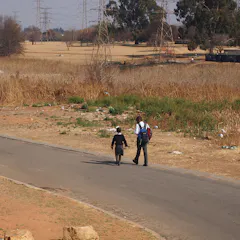
Over a third of pupils in the Gauteng province still travel more than five kilometres to school.

Practical ways forward for higher education policy reform include fixing the dysfunctional relationship between higher and vocational education or government-sponsored analysis of the future of work.
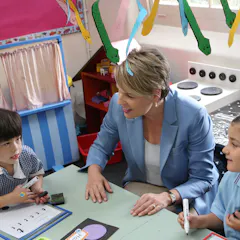
Labor’s pledge injects much-needed funds into education research, but it problematically evokes a biomedical model of research and teaching practice.
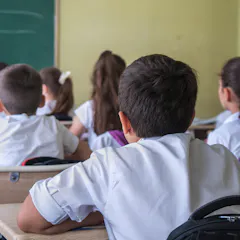
Funding debates dominated most education policy talks in 2017, but discussions look to be extending past the dollar value in 2018 with a number of high profile reports due for release.
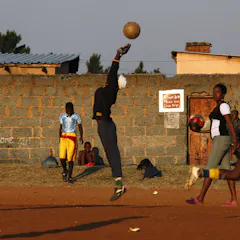
When after-school clubs aren’t properly monitored, they can become risky spaces.
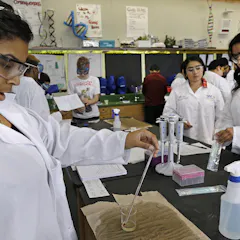
Career and technical education, or CTE, can boost the chances of high school graduation and lower the likelihood of dropping out, but timing is crucial, researchers argue.
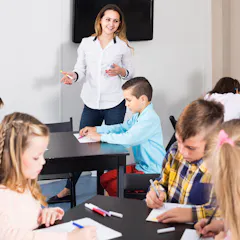
Standardised tests are a powerful tool for building an evidence base of what works to guide education policy.

Despite the need for both male and female teachers, male primary school teachers could be extinct by 2067.
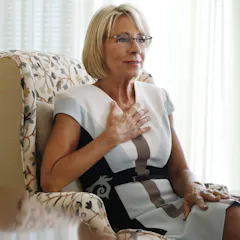
From student loans to Title IX, Betsy DeVos has had a busy six months in office. But despite numerous reversals of Obama-era guidelines, little has come in the way of tangible policy.

Ontario’s investment in a unique two-year, full-day and play-based kindergarten program is paying off. Could similar results happen elsewhere?
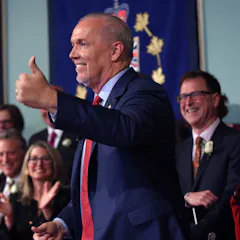
The new British Columbia government wants the province to shed its status as a laggard on education funding and poverty reduction. If it succeeds, B.C. will be a safer place to live.
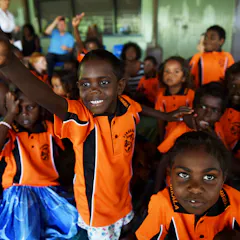
Indigenous peoples have very little power when it comes to education policy. Goals, targets and strategies are instead set by the government.
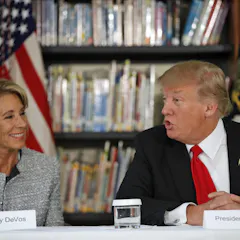
The Trump administration’s new education budget cuts money from traditional schools and funnels it toward school choice. Is it a nail in the coffin for public education?
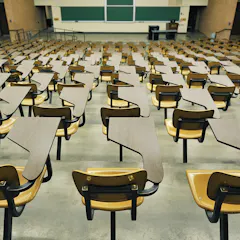
It takes a combination of formal and informal learning to equip academics to become better teachers. Universities need to encourage both approaches.

When it comes to politics these days, it feels like everything is ‘my way or the highway.’ What can colleges do to end this moral fundamentalism and get students listening to each other?

Many young children can give the false impression that they are learning to read, when in fact they are mostly guessing words from pictures or context. This test will help to identify these students.

We take a closer look at some of the common claims made this year to see if there is any truth to them.
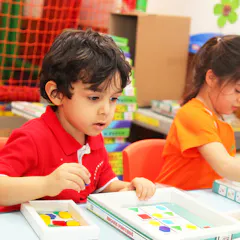
Policy continuity is what is needed to improve Australian students’ maths capability.
Top contributors
-

Professor of Education and Public Policy, Durham University
-
Adjunct associate professor, Southern Cross University
-
School Education Program Director, Grattan Institute
-
Honorary Senior Fellow, The University of Melbourne
-
Professor of Education Futures, The University of Melbourne
-
Director of Research and Deputy Head of Southampton Education School, University of Southampton
-
Professor of Educational Leadership and Policy Studies, School of Education, University of Nottingham
-
Management Consultant & Occasional Lecturer in Management & Economics, CQUniversity Australia
-
Associate Professor in Language, Literacy and TESL, University of Canberra
-
Professor and Head of School, School of Early Childhood and Inclusive Education, Queensland University of Technology
-
Emeritus Professor of Education, University of Derby
-
Dean of Education, School of Education and Institute for Education, Bath Spa University
-
Executive Director, Public Policy Institute, Australian Catholic University
-
Professor of Social Impact, University of Technology Sydney
-
Professor, Australian Catholic University