

Offering daily recess to young children and teenagers alike can help strengthen students’ executive functioning skills, focus and creativity, among other benefits.
Articles on Education policy
Displaying 1 - 20 of 286 articles
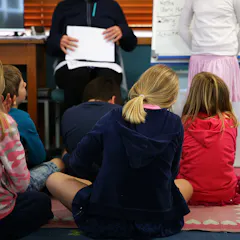
Sweeping changes to the curriculum, NCEA and school governance have divided the education sector, all while major challenges remain overlooked.
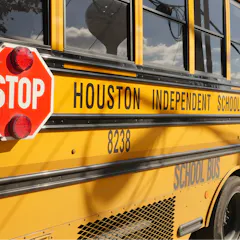
The number of uncertified teachers rose, while enrolled student numbers dropped, following a state takeover of Houston. Data shows other uneven results across districts.
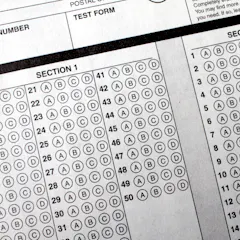
Students’ scores on standardized tests can affect schools’ ratings, adding to the pressure teachers experience in preparing their students for the assessments.

Filing a civil rights complaint with the Office of Civil Rights can be parents’ last stop. Following cuts and restructuring, this federal office is no longer serving that same resource.

Greater awareness of common EU values is needed to foster educational ties between higher education institutional systems across the continent.

Research on absenteeism often focuses on factors like unreliable transportation, overlooking what schools themselves can do to help kids maintain a steady attendance record.

“No-zero” grading policies are becoming more common in US schools. South Carolina is the first state to ban these policies.

In Mozambique growth and employment are becoming disconnected, and so are skills and opportunity.

Instead of schools trying to replace teachers with AI, teachers could use AI to become better educators.
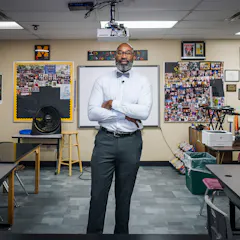
Many Black teachers were pushed out of classrooms from the 1950s through ‘70s. Despite new recruitment programs, the teacher workforce remains mostly white.

Rich Kid, Poor Kid highlights the urgency and devastation of the school funding problem in Australia.

There are many literacy textbooks available but no clear way to determine which ones are the best – and most likely to turn kids into better readers.

The Trump administration is reportedly working on a revised version of the higher education proposal.

The government’s policy promises partnership between families and schools.

Academic experts respond to the raft of changes outlined in new education policy.
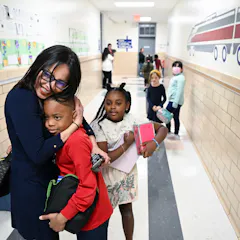
The current landscape of AI use in K-12 schools is highly varied because there’s little specific policy guidance from the state and federal levels.

Policy proposals suggest that universities should streamline their offerings to students.

Parents see their children’s strengths, struggles, and the little things that make a big difference.

Colleges and universities share similar financial challenges.
Top contributors
-

Professor of Education and Public Policy, Durham University
-
Adjunct associate professor, Southern Cross University
-
School Education Program Director, Grattan Institute
-
Honorary Senior Fellow, The University of Melbourne
-
Professor of Education Futures, The University of Melbourne
-
Director of Research and Deputy Head of Southampton Education School, University of Southampton
-
Professor of Educational Leadership and Policy Studies, School of Education, University of Nottingham
-
Management Consultant & Occasional Lecturer in Management & Economics, CQUniversity Australia
-
Associate Professor in Language, Literacy and TESL, University of Canberra
-
Professor and Head of School, School of Early Childhood and Inclusive Education, Queensland University of Technology
-
Emeritus Professor of Education, University of Derby
-
Dean of Education, School of Education and Institute for Education, Bath Spa University
-
Executive Director, Public Policy Institute, Australian Catholic University
-
Professor of Social Impact, University of Technology Sydney
-
Professor, Australian Catholic University