
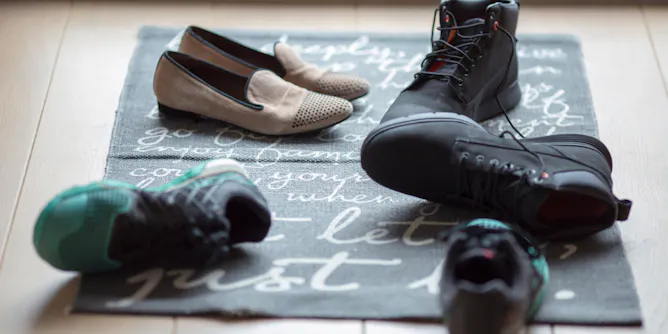
It is best to leave your filth outside the door.
Articles on Dust
Displaying 21 - 40 of 42 articles
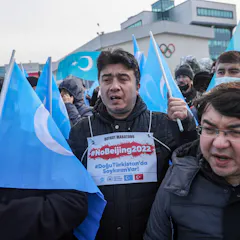
This is a transcript of The Conversation Weekly podcast episode published on January 27 2022.
Plus, what toxic heavy metals are lingering in household dust around the world? Listen to The Conversation Weekly podcast.
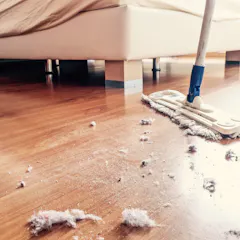
Trace metal exposure can lead to concerning neurocognitive effects in people of all ages.
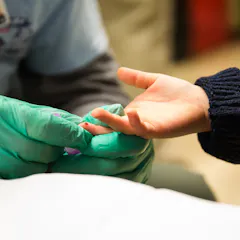
The Centers for Disease Control has announced a new, stricter standard for lead poisoning in children, which will more than double the number of kids considered to have high blood lead levels.
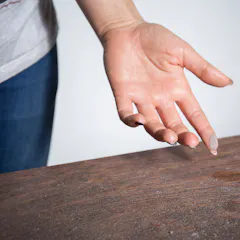
Australians have been sending their dust to our DustSafe program for us to analyse. Here’s what we’ve learned so far — and what you can do to reduce your dust risk.
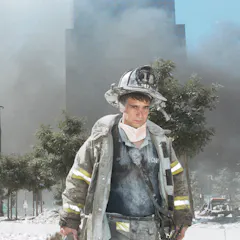
Those directly exposed to toxic dust and trauma on and after 9/11 carry with them a generation of chronic health conditions, which are placing them at higher risk during the pandemic and as they age.
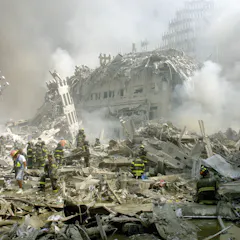
More 9/11 responders died from physical and mental health issues after the terrorist attacks than on the day itself. And survivors are still suffering 20 years later.
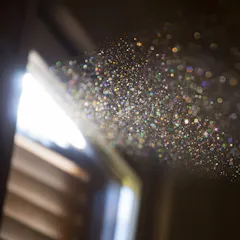
We analysed the dust in 32 homes across Sydney, and found significant levels of microplastics. But having hard, non-varnished floors and vacuuming at least weekly might help.
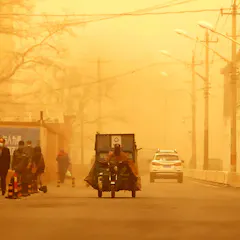
It was tiny dust that turned the sky orange.
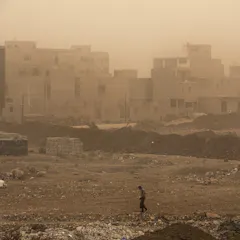
Dust storms are not unusual, but intense ones have a wide range negative impacts upon multiple socioeconomic sectors. How do we address them?
From June through October, it’s not unusual for huge Saharan dust plumes to blow across the Atlantic. They can darken skies but also bring calmer weather and electric sunsets. Here’s how they form.
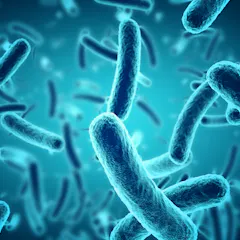
Combining design innovation methods with medical disciplines such as microbiology can help tackle health related challenges.
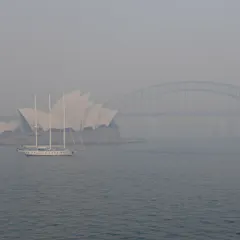
The haze now engulfing Sydney isn’t an isolated problem. Cities around the world struggle to manage the many sources of tiny airborne particles and the discomfort and illnesses these cause.

What lessons can Australia learn from tackling asbestos to manage this latest preventable occupational hazard?
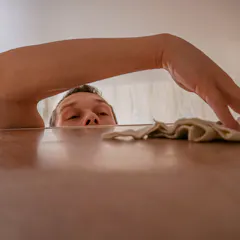
Even the tidiest space has some dust. Researchers are investigating just what these indoor particles are made of and their possible implications for human health.
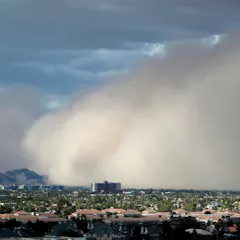
New research projects that climate change could greatly increase airborne dust levels in the southwestern US, causing higher hospital admissions and premature deaths from heart and lung ailments.
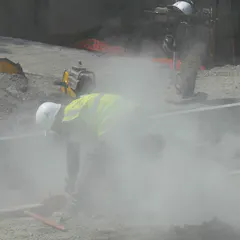
We’re seeing the resurgence of an old lung disease in people who make and install the type of engineered stone product you might find in your kitchen or bathroom.
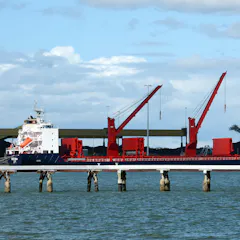
Coal dust and oil can spread toxic chemicals hundreds of kilometres out to sea. But Australia’s monitoring guidelines do not meet the standards used in countries such as the United States.
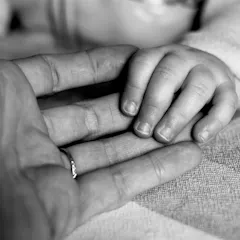
Parents in three Australian states are being given misleading advice about the dangers of lead to babies and small children – including failing to warn pregnant women about miscarriage risks.
Top contributors
-

Honorary Professor, School of Natural Sciences, Macquarie University
-
Postdoctoral Research Fellow, Australian Centre for Housing Research, Adelaide University
-
Professor of Earth Sciences and Executive Director, Environmental Resilience Institute, Indiana University
-
Adjunct Fellow, School of Natural Sciences, Macquarie University
-
Associate Professor of Physical Geography, University of Plymouth
-
Senior Lecturer in Politics and International Relations, James Cook University
-
Research Director, Australian Microplastic Assessment Project (AUSMAP); Honorary Senior Research Fellow, School of Natural Sciences, Macquarie University
-
Lecturer in East Asian Studies, University of Sheffield
-
Academic Casual, School of Natural Sciences, Macquarie University
-
Host, The Conversation Weekly Podcast, The Conversation
-
Associate Science Editor & Co-Host of The Conversation Weekly Podcast, The Conversation
-
Assistant Professor, International Studies, Simon Fraser University
-
Associate Professor of Public Health, William Paterson University
-
PhD Candidate, School of Natural Sciences, Macquarie University
-
Professor of Astrophysics and Royal Society University Research Fellow, University of Hertfordshire